
Gold Silver Price Today: Gold Falls ₹1,400 to ₹1.49 Lakh, Silver Jumps ₹1,025 on MCX
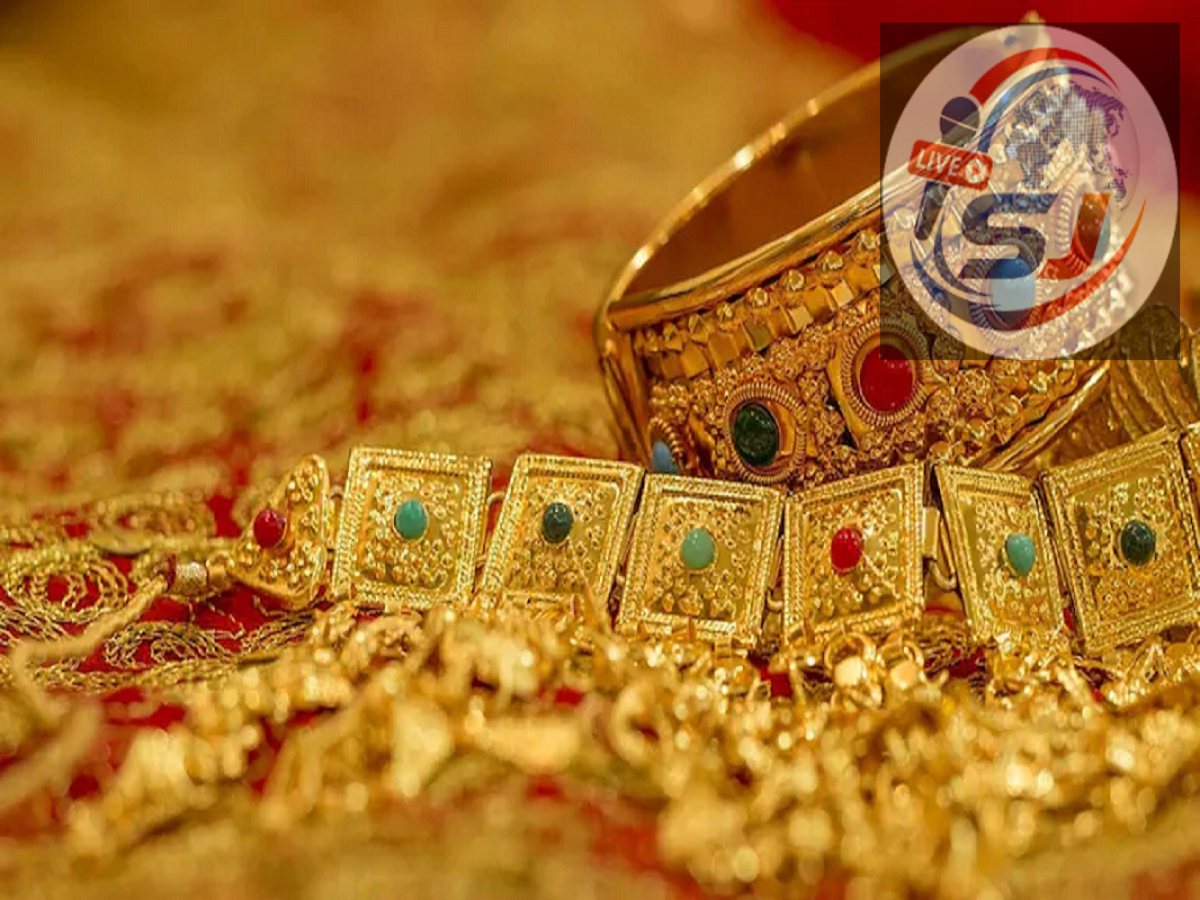
Gold and silver moved in opposite directions in the domestic futures market on October 5, 2026. While gold prices witnessed a sharp decline, silver extended gains and moved higher, highlighting the contrasting trend in the two precious metals.
According to the figures cited in the report, MCX gold fell by around ₹1,400 to ₹1,49,050 per 10 grams, while silver climbed ₹1,025 to ₹2,26,902 per kilogram.
The divergence comes at a time when precious metals remain sensitive to global economic developments, movements in the US dollar, interest-rate expectations and changing investor sentiment.
For consumers planning to purchase jewellery and investors tracking bullion, the latest movement once again shows how quickly precious-metal prices can change.
Gold Drops ₹1,400 on MCX
Gold came under selling pressure in the domestic futures market.
The yellow metal declined by approximately ₹1,400, bringing its quoted MCX price down to ₹1,49,050 per 10 grams.
A ₹1,400 fall in a single trading session is notable, particularly after the sharp movements seen in bullion prices in recent weeks.
However, the MCX futures price should not be confused with the final retail rate consumers pay at jewellery stores.
Retail jewellery prices can include GST, making charges, jeweller margins and other costs. Rates may also differ from one city and dealer to another.
Silver Rises ₹1,025 to ₹2,26,902 Per Kg
Silver moved in the opposite direction.
According to the supplied figures, MCX silver gained ₹1,025 to reach ₹2,26,902 per kilogram.
This means that while traders were witnessing pressure in gold, silver remained on the positive side during the reported session.
Silver often experiences sharper percentage swings than gold because its price is influenced by both investment demand and industrial consumption.
Apart from being purchased as a precious metal, silver is used in several industrial applications. Changes in industrial demand expectations can therefore influence its price independently of gold.
Gold and Silver Move in Opposite Directions
The latest session presents an interesting picture for bullion investors.
| Precious Metal | Latest MCX Price | Reported Change |
|---|---|---|
| Gold | ₹1,49,050 per 10 grams | Down ₹1,400 |
| Silver | ₹2,26,902 per kg | Up ₹1,025 |
Although gold and silver are both precious metals, their prices do not necessarily move in the same direction every day.
Gold is heavily influenced by investment demand, central-bank activity, interest-rate expectations, currency movements and demand for safe-haven assets.
Silver is affected by many of the same factors, but industrial consumption can play a larger role in its price behaviour.
As a result, there can be trading sessions when gold declines while silver rises.
Why Did Gold Become Cheaper?
Several factors can influence short-term movements in gold.
One of the most important is the US dollar. Since gold is internationally priced in dollars, fluctuations in the American currency can affect demand and pricing across global markets.
Interest-rate expectations are another major factor.
Gold itself does not generate regular interest. When yields on interest-bearing assets become more attractive, investor demand for gold can sometimes weaken. Conversely, expectations of lower interest rates can support bullion under certain market conditions.
Geopolitical developments, inflation expectations and investor risk appetite can also contribute to rapid price changes.
Domestic gold prices additionally depend on the rupee-dollar exchange rate. Therefore, international gold can fall while currency movements partly offset that decline for Indian buyers—or amplify it.
Why Can Silver Rise Even When Gold Falls?
Silver has characteristics of both a precious metal and an industrial commodity.
Industrial sectors use silver in electronics, electrical equipment, solar-energy applications and several other manufacturing processes.
Expectations of stronger industrial demand can consequently support silver even when investment sentiment towards gold is relatively weak.
At the same time, silver's smaller market and different demand structure can make it more volatile.
Investors should therefore avoid assuming that silver will automatically follow every movement in gold.
MCX Price and Jewellery Shop Rate Are Different
Consumers should understand the difference between futures-market quotations and retail bullion prices.
The ₹1,49,050 gold price and ₹2,26,902 silver price cited in the report are MCX-related market figures.
The amount charged by a local jeweller may be different.
For gold jewellery, consumers may have to pay the applicable gold value along with making charges and GST. Design complexity and jeweller-specific charges can further affect the final bill.
Similarly, physical silver bars, coins and jewellery may carry dealer premiums and additional charges.
Therefore, consumers should check the final local price before making a purchase.
Festive Demand Could Keep Bullion in Focus
India's festive season traditionally brings increased attention to the precious-metals market.
Gold and silver purchases often increase around Dhanteras and Diwali, with consumers buying jewellery, coins and bars.
However, festive demand alone does not determine bullion prices.
International market trends, central-bank decisions, movements in the dollar, geopolitical developments and domestic currency fluctuations can remain equally important.
This means prices can continue to move sharply in either direction even when physical demand is strong.
What Should Gold and Silver Buyers Watch?
People planning to buy precious metals should avoid making decisions solely on the basis of a single day's price movement.
A ₹1,400 fall in gold may appear attractive to some buyers, but it does not guarantee that prices will rise immediately afterwards. Gold could fall further or rebound depending on market conditions.
The same applies to silver. A ₹1,025 increase does not necessarily indicate that the upward movement will continue.
For jewellery buyers, purity, hallmarking, making charges and the final invoice should also be checked carefully.
Investors should additionally consider their investment horizon and risk tolerance before taking exposure to precious metals.
Gold Falls While Silver Strengthens
The key takeaway from the October 5 bullion market is the divergence between the two metals.
Gold fell by approximately ₹1,400 to ₹1,49,050 per 10 grams, while silver gained ₹1,025 to reach ₹2,26,902 per kilogram, according to the figures cited.
Whether this divergence continues will depend on domestic as well as international market developments.
With the festive season approaching and global markets remaining sensitive to economic and geopolitical developments, both gold and silver prices could continue to witness volatility.
Disclaimer: Gold and silver prices can change throughout the trading session. MCX futures prices may differ from physical bullion and jewellery-store rates. The information above is for general informational purposes and should not be considered investment advice.