
Gold Prices Drop ₹3,610 in Three Days, Silver Falls ₹15,100: Check Latest Rates Across 10 Indian Cities
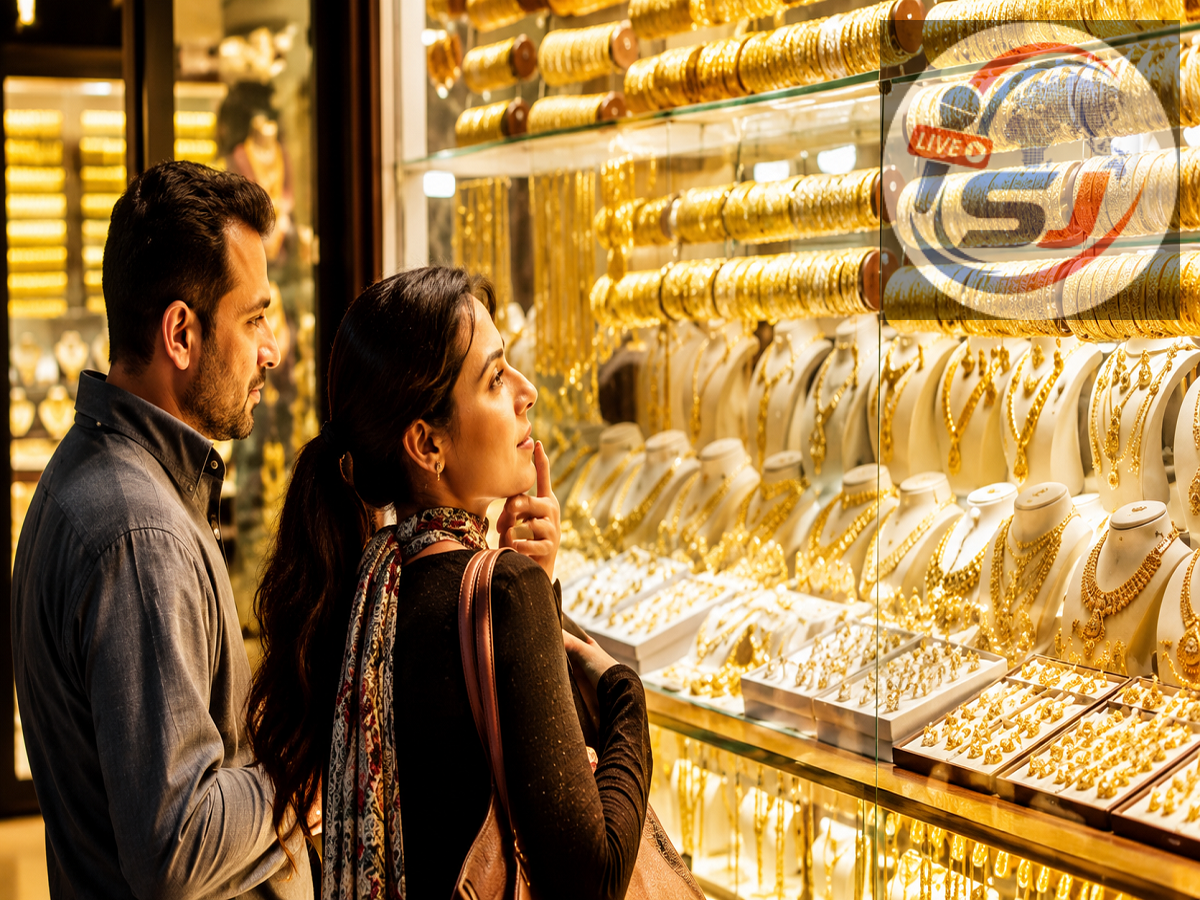
Gold Silver Price Today, October 24, 2026: Precious metal prices in India have witnessed a sharp correction ahead of the festive season, bringing some relief to consumers planning to purchase gold and silver. According to the latest reported retail rates, 24-carat gold has become cheaper by ₹3,610 per 10 grams over the past three days, while silver has declined by ₹15,100 per kilogram over approximately ten days.
The decline comes amid volatility in international commodity markets, rising crude oil prices and uncertainty surrounding the future direction of US interest rates.
Gold prices have continued to soften across several major Indian cities, including Delhi, Mumbai, Jaipur, Chennai and Bengaluru. Silver has also extended its recent downward movement following a period of relatively stable prices.
For consumers preparing to buy jewellery, coins or precious metals before Diwali, the latest correction has created an opportunity to review prices. However, market experts caution that further fluctuations remain possible.
Gold Prices Fall Sharply in Three Days
The domestic gold market has experienced noticeable selling pressure over the past few sessions.
According to the October 24 price update, the price of 24-carat gold has declined by ₹3,610 per 10 grams over three days.
Similarly, 22-carat gold has become cheaper by ₹3,301 per 10 grams during the same period.
On October 24 alone, the reported retail prices of both 24-carat and 22-carat gold declined by ₹10 per 10 grams.
Although the latest daily reduction is relatively small, the cumulative three-day correction is significant for consumers planning large jewellery purchases.
Gold remains one of the most widely purchased precious metals in India, particularly during festive occasions and wedding seasons.
Even a modest change in the price per 10 grams can influence the final cost of jewellery, especially when purchasing heavier ornaments.
Gold Rate Today, October 24, 2026: City-Wise Prices
The following table shows the reported retail prices of 24-carat, 22-carat and 18-carat gold across ten major Indian cities.
| City |
24K Gold (10g) |
22K Gold (10g) |
18K Gold (10g) |
|---|---|---|---|
| Delhi |
₹1,42,620 |
₹1,30,740 |
₹1,06,850 |
| Mumbai |
₹1,42,470 |
₹1,30,590 |
₹1,06,850 |
| Kolkata |
₹1,42,470 |
₹1,30,590 |
₹1,06,850 |
| Chennai |
₹1,42,470 |
₹1,30,590 |
₹1,06,890 |
| Bengaluru |
₹1,42,470 |
₹1,30,590 |
₹1,06,850 |
| Hyderabad |
₹1,42,470 |
₹1,30,590 |
₹1,06,850 |
| Lucknow |
₹1,42,620 |
₹1,30,740 |
₹1,06,850 |
| Patna |
₹1,42,420 |
₹1,30,640 |
₹1,06,850 |
| Jaipur |
₹1,42,620 |
₹1,30,740 |
₹1,06,850 |
| Ahmedabad |
₹1,42,420 |
₹1,30,640 |
₹1,06,850 |
Note: These are indicative prices reported for October 24, 2026, in the supplied market update. They have not been independently verified against live bullion quotations. Final jewellery prices may include GST, making charges and other applicable costs.
Which Cities Have the Highest and Lowest Gold Prices?
The latest city-wise figures indicate that gold prices vary slightly across different regions.
Delhi, Jaipur and Lucknow have the highest listed 24-carat gold rate at ₹1,42,620 per 10 grams.
Mumbai, Kolkata, Chennai, Bengaluru and Hyderabad share a reported rate of ₹1,42,470 per 10 grams.
Patna and Ahmedabad have the lowest quoted 24-carat gold prices among the ten cities at ₹1,42,420 per 10 grams.
This creates a difference of ₹200 per 10 grams between the highest and lowest listed prices.
For 22-carat gold, Delhi, Jaipur and Lucknow record ₹1,30,740 per 10 grams, compared with ₹1,30,640 in Patna and Ahmedabad.
The price differences may reflect local market conditions, transportation costs, dealer margins and other pricing factors.
Consumers should compare the complete purchase cost rather than relying exclusively on the quoted gold rate.
Silver Prices Decline ₹15,100 in Ten Days
Silver has also experienced a substantial correction in the domestic market.
According to the supplied report, silver prices remained unchanged for six consecutive days before declining over the following three days.
During those three days, silver became cheaper by ₹10,100 per kilogram.
The report also mentions an earlier reduction of ₹5,000 per kilogram on October 15.
Together, these movements represent a cumulative decline of ₹15,100 per kilogram over the approximately ten-day period covered by the update.
On October 24, silver reportedly declined by another ₹100 per kilogram in Delhi, bringing the indicative retail price to ₹2,19,900.
Mumbai and Kolkata recorded the same quoted rate, while Chennai continued to have a higher silver price.
Silver Rate Today: Latest Prices in Major Cities
| City |
Silver Price (10g) |
Silver Price (1 kg) |
|---|---|---|
| Delhi |
₹2,199 |
₹2,19,900 |
| Mumbai |
₹2,199 |
₹2,19,900 |
| Kolkata |
₹2,199 |
₹2,19,900 |
| Chennai |
₹2,249 |
₹2,24,900 |
The 10-gram values are calculated proportionally from the reported kilogram rates. Actual purchase prices may vary.
Among the four metropolitan cities, Chennai has the highest listed silver price at ₹2,24,900 per kilogram.
This is ₹5,000 more than the reported rates in Delhi, Mumbai and Kolkata.
Silver is commonly purchased during festivals in the form of coins, utensils, decorative products and investment bars.
A decline in prices may attract additional interest from consumers, although the final cost depends on purity, taxes and seller-specific charges.
Why Are Gold and Silver Prices Falling?
Several global economic factors are influencing precious metal prices.
One important development is the sharp increase in international crude oil prices, which has renewed concerns about inflation.
According to Gaurav Garg, Head of Research at Lemonn, higher crude oil prices may influence expectations about future interest rate decisions by the US Federal Reserve.
The report cited Brent crude trading above $112 per barrel amid concerns about possible energy supply disruptions.
Rising oil prices can contribute to inflationary pressure by increasing transportation, manufacturing and production costs.
If inflation remains elevated, central banks may be less willing to reduce interest rates quickly.
Higher interest rates can put pressure on precious metals because gold and silver do not generate regular interest income.
When bonds and other interest-bearing assets offer attractive yields, some investors may reduce their exposure to non-yielding assets.
However, the relationship is not always straightforward. Gold can also attract safe-haven demand during geopolitical uncertainty and periods of economic instability.
Middle East Tensions Add Uncertainty to Commodity Markets
Geopolitical developments in West Asia have added another layer of uncertainty to international commodity markets.
The supplied report links the increase in crude oil prices to regional tensions and reported attacks on Saudi Arabian energy infrastructure.
Concerns about possible disruptions to energy production and transportation can lead to rapid movements in oil prices.
Such developments may also influence inflation expectations, currency markets and investor sentiment.
For gold and silver, the overall impact depends on how investors balance inflation risks, interest rate expectations and demand for safe-haven assets.
Consequently, a rise in crude oil prices does not necessarily guarantee a decline in precious metals, even though the two developments have coincided in the reported market update.
US Federal Reserve Meeting on October 27–28 in Focus
Investors are also monitoring the US Federal Reserve's reported October 27–28 policy meeting for signals about the future direction of American interest rates.
Any indication that borrowing costs may remain elevated for longer could influence international gold and silver prices.
Conversely, expectations of lower interest rates may support demand for precious metals under certain market conditions.
The US dollar and American bond yields are also important indicators.
A stronger dollar can make dollar-denominated gold more expensive for buyers using other currencies, potentially influencing global demand.
Indian consumers should also monitor movements in the rupee-dollar exchange rate because currency fluctuations can affect domestic bullion prices.
Should You Buy Gold and Silver After the Recent Price Correction?
The latest decline may encourage consumers who have postponed their festive purchases in anticipation of lower prices.
However, falling prices do not necessarily indicate that the market has reached its lowest point.
For jewellery buyers, the purchase decision should consider factors such as budget, purity, making charges and the purpose of buying.
Consumers purchasing gold jewellery should verify BIS hallmarking details and applicable purity certification.
For silver purchases, checking purity, product weight and the seller's invoice is equally important.
Investors considering gold or silver as part of their financial portfolio should also assess price volatility, liquidity requirements and investment objectives.
Purchasing precious metals solely because prices have fallen over a few days may expose investors to additional short-term market risk.
Gold and Silver Price Outlook: What Happens Next?
The direction of gold and silver prices over the coming sessions will depend on several developments.
Market participants are expected to monitor international crude oil prices, geopolitical tensions, US monetary policy signals and currency movements.
Domestic festive demand may also influence jewellery and bullion sales, although international factors can continue to drive significant price fluctuations.
As of the supplied October 24, 2026 market update, 24-carat gold has reportedly declined by ₹3,610 per 10 grams over three days, while silver has fallen by ₹15,100 per kilogram over approximately ten days.
For consumers preparing to purchase precious metals before Diwali, the correction offers a reason to compare current quotations carefully. Buyers should confirm the latest rates with authorised jewellers and consider all additional charges before completing a purchase.
Disclaimer: Gold and silver prices change frequently and may differ across markets and dealers. The rates in this article are based on the supplied October 24, 2026 report, not independently verified live quotations. This content is for informational purposes only and should not be treated as investment advice.