
Gold Price Today, November 26: Gold Gets Cheaper Again, 22K Rate Falls to ₹1,13,140 in Delhi, Jaipur and Lucknow
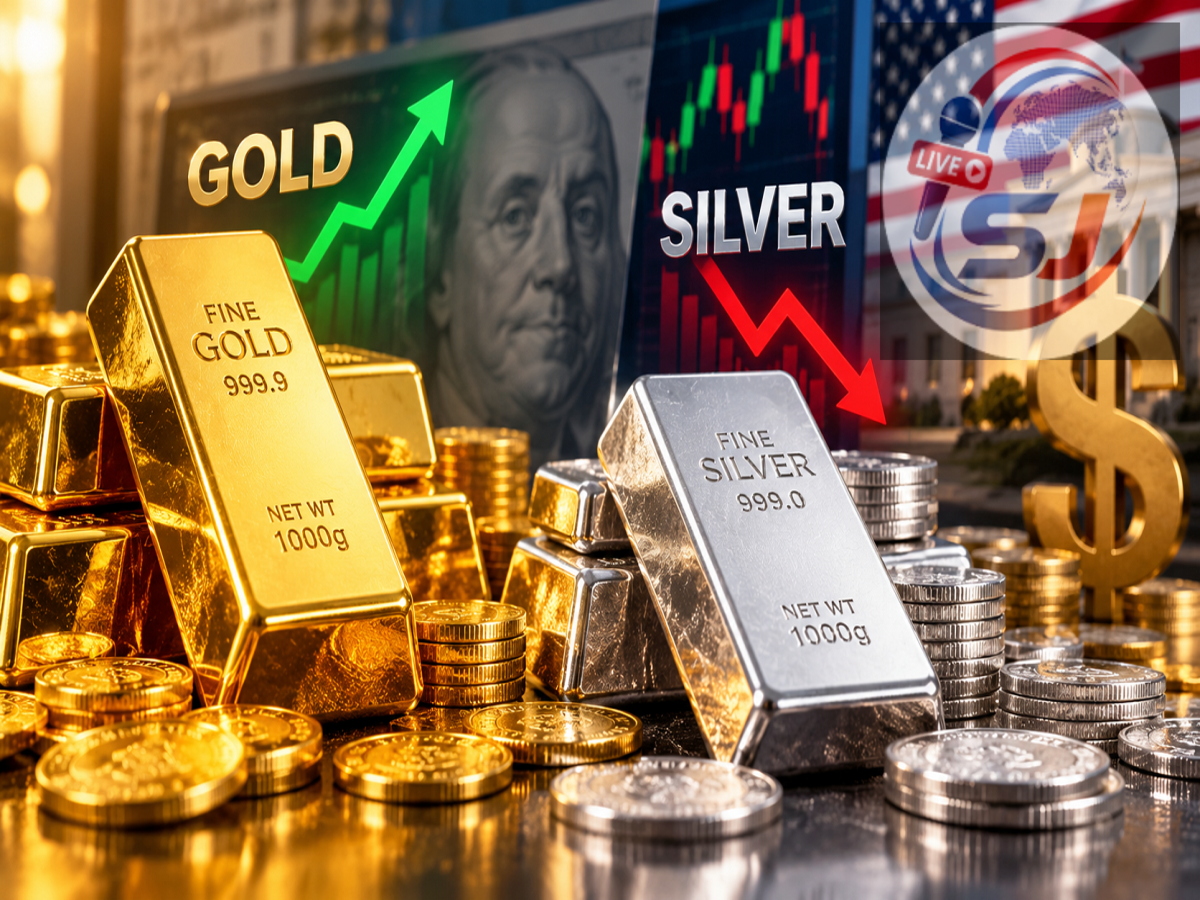
Gold and Silver Price Today: Gold buyers received some relief on Thursday, November 26, 2026, as precious metal prices declined once again across several major Indian cities. Weak international market trends, rising US Treasury yields and a stronger dollar have continued to put pressure on domestic bullion prices.
In the national capital, 24-carat gold is trading at ₹1,23,420 per 10 grams, while the price of 22-carat gold has slipped to ₹1,13,140 per 10 grams. Similar rates have been reported in Jaipur, Lucknow and Chandigarh.
Meanwhile, silver has also extended its downward movement, with its price falling to ₹1,64,900 per kilogram.
The latest decline comes after Delhi's bullion market witnessed a significant correction on Wednesday, when gold with 99.9% purity became cheaper by ₹800 and silver recorded a sharp fall of ₹7,000 per kilogram.
Why Are Gold Prices Falling Again?
The ongoing weakness in international bullion markets is one of the major factors influencing gold prices in India. International spot gold was reportedly trading at $3,547.29 per ounce on Thursday morning.
Several global economic developments have contributed to the recent decline in precious metal prices. Higher returns on US Treasury bonds, strengthening of the American currency and expectations that the Federal Reserve could maintain restrictive monetary policies for longer have affected investor sentiment.
Gold generally becomes less attractive when interest-bearing assets offer higher returns. Since the precious metal does not provide regular interest income, rising bond yields can encourage investors to shift towards alternative financial instruments.
Additionally, a stronger US dollar makes gold more expensive for international buyers using other currencies, potentially reducing demand and putting further pressure on prices.
Gold Price Today in Delhi, Mumbai, Jaipur and Other Cities
Gold rates vary across Indian cities depending on local market conditions, transportation expenses and regional demand.
Delhi, Jaipur, Lucknow and Chandigarh are currently witnessing identical gold rates. Meanwhile, Mumbai, Kolkata and Hyderabad are offering slightly lower prices.
Chennai continues to have comparatively higher gold prices among the major cities listed in the report.
Latest 22-Carat and 24-Carat Gold Rates on November 26, 2026
| City |
22-Carat Gold (₹/10 grams) |
24-Carat Gold (₹/10 grams) |
|---|---|---|
| Delhi |
₹1,13,140 |
₹1,23,420 |
| Mumbai |
₹1,12,990 |
₹1,23,270 |
| Ahmedabad |
₹1,13,040 |
₹1,23,320 |
| Chennai |
₹1,14,190 |
₹1,24,570 |
| Kolkata |
₹1,12,990 |
₹1,23,270 |
| Hyderabad |
₹1,12,990 |
₹1,23,270 |
| Jaipur |
₹1,13,140 |
₹1,23,420 |
| Bhopal |
₹1,13,040 |
₹1,23,320 |
| Lucknow |
₹1,13,140 |
₹1,23,420 |
| Chandigarh |
₹1,13,140 |
₹1,23,420 |
| Pune |
₹1,12,990 |
₹1,23,270 |
| Bengaluru |
₹1,12,990 |
₹1,23,270 |
The final amount payable at jewellery stores may differ from these indicative rates because of applicable GST, making charges and other retailer-specific expenses.
Silver Prices Continue to Decline
Alongside gold, silver has also witnessed considerable selling pressure in domestic and international markets.
On November 26, silver was reportedly priced at ₹1,64,900 per kilogram in India. The decline follows a major correction in Delhi's bullion market on Wednesday, when the white metal became cheaper by ₹7,000 per kilogram.
In the international market, spot silver was trading at approximately $40.68 per ounce.
Unlike gold, silver has substantial industrial applications. It is extensively used in solar energy equipment, electronic devices, electrical components and manufacturing activities.
As a result, silver prices are influenced not only by investment demand but also by expectations surrounding global industrial growth. Concerns over prolonged high interest rates and potential economic challenges can contribute to increased volatility in silver markets.
RBI Brings Over 60 Tonnes of Gold Back to India
While gold prices remain under pressure, the Reserve Bank of India (RBI) has significantly increased the quantity of its gold reserves stored within the country.
According to the central bank's half-yearly report on the management of foreign exchange reserves, the RBI transferred 60.08 tonnes of gold from overseas locations to India between April and September 2026.
The quantity of gold held domestically increased from 680.05 tonnes in March 2026 to 740.13 tonnes in September 2026.
Interestingly, the RBI's overall gold reserves remained unchanged at 880.52 tonnes during this period. The development represents a shift in the geographical storage of existing reserves rather than an increase in total gold holdings.
RBI Gold Reserves: March vs September 2026
| Particulars |
March 2026 |
September 2026 |
|---|---|---|
| Total gold reserves |
880.52 tonnes |
880.52 tonnes |
| Gold stored in India |
680.05 tonnes |
740.13 tonnes |
| Gold stored overseas |
200.47 tonnes |
140.39 tonnes |
| Share of gold held domestically |
77.23% |
84.06% |
The latest figures indicate that more than 84% of the central bank's gold reserves are now stored within India.
What Is the Difference Between 22-Carat and 24-Carat Gold?
Consumers purchasing gold should understand the difference between various purity categories.
-
24-carat gold: Contains approximately 99.9% or higher pure gold and is commonly available in the form of investment bars and coins.
-
22-carat gold: Contains approximately 91.67% pure gold mixed with other metals to improve durability, making it suitable for jewellery.
-
18-carat gold: Contains 75% pure gold and is frequently used in diamond-studded and contemporary jewellery.
The difference in purity directly influences the market value and retail price of gold products.
Will Gold and Silver Become Cheaper in the Coming Days?
The future direction of precious metal prices will depend on several domestic and international developments, including US inflation figures, Federal Reserve interest rate decisions, dollar movements, bond yields and global demand.
Continued strength in the US dollar and elevated bond yields could maintain pressure on bullion prices. However, any significant change in monetary policy expectations or increased demand for safe-haven assets could support a recovery.
Domestic gold prices will also be influenced by fluctuations in the Indian rupee against the US dollar, import costs and seasonal jewellery demand.
As precious metal markets remain volatile, the latest decline does not necessarily guarantee that prices will continue falling in subsequent trading sessions.
Disclaimer: Gold and silver prices are indicative and subject to market fluctuations. The rates and economic figures mentioned in this article are based on the supplied report and have not been independently verified.