
Gold and Silver Prices Fall in Delhi: Gold Drops ₹800, Silver Becomes ₹5,730 Cheaper in a Day
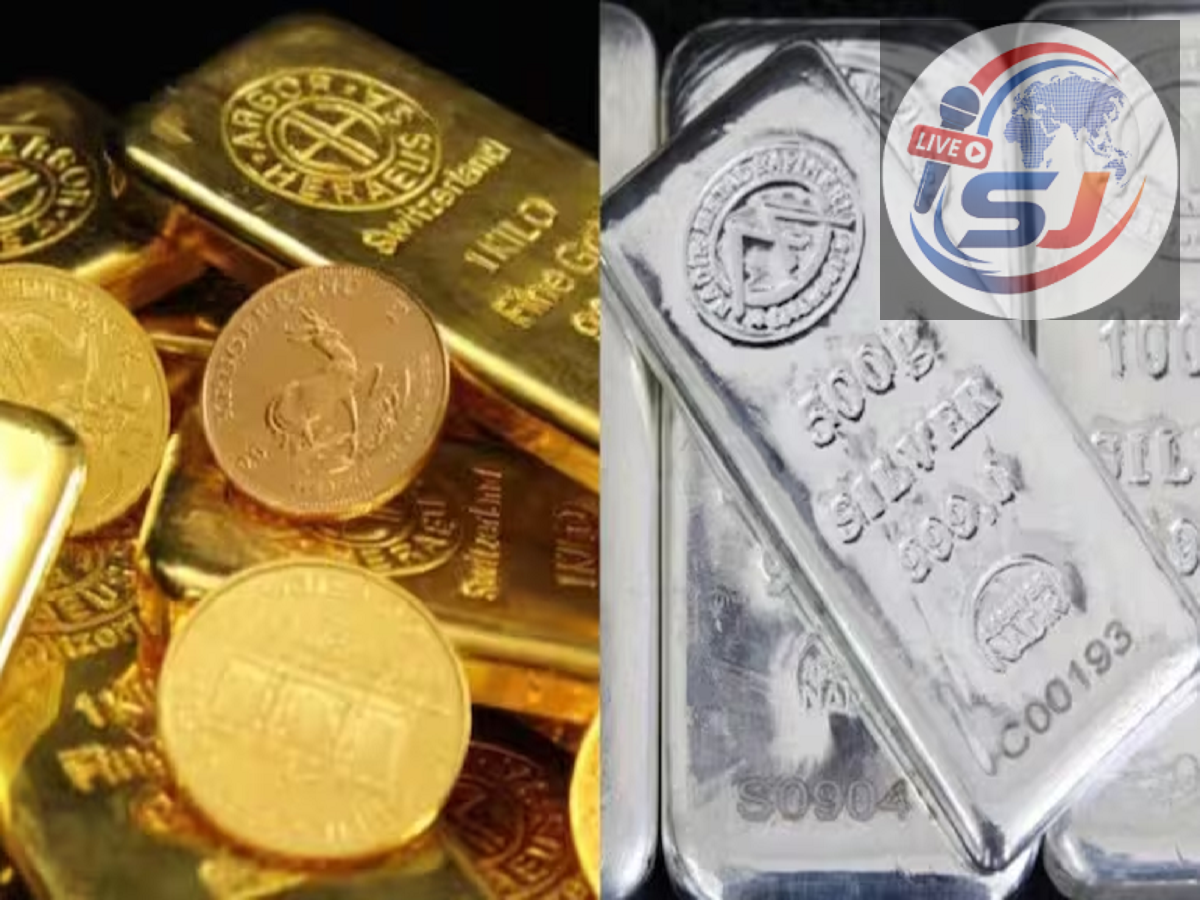
Gold and silver prices moved lower in Delhi's bullion market on August 19, 2026, reversing some of the gains recorded in the previous session. Gold declined by ₹800, while silver witnessed a much sharper correction of ₹5,730 per kilogram amid selling pressure and uncertainty surrounding global economic and geopolitical developments.
According to rates based on All India Sarafa Association data, gold was quoted at ₹1,58,000 per 10 grams in Delhi after the latest decline. Silver slipped to ₹2,35,000 per kilogram.
The domestic correction came even as international precious-metal prices showed a strong upward move, highlighting how local bullion prices can sometimes move differently from overseas markets because of currency movements, demand conditions and other domestic factors.
Gold Price Drops ₹800 in Delhi
Gold's recent upward momentum in the Delhi bullion market took a break on August 19.
The precious metal became cheaper by ₹800 and was quoted at ₹1,58,000 per 10 grams. Gold and silver had recorded gains in the previous session on August 18, making Wednesday's decline a reversal from the earlier trend.
The bullion market is currently reacting to several factors simultaneously, including geopolitical uncertainty in the Middle East, crude oil prices, interest-rate expectations and investor positioning.
These factors could continue to create volatility in precious-metal prices in the coming sessions.
Silver Suffers a Much Bigger Fall
Silver experienced a significantly steeper correction than gold.
The white metal dropped ₹5,730 in a single day, bringing its price down to ₹2,35,000 per kilogram in Delhi.
Selling by market participants was cited as one of the factors behind the decline.
Silver is generally more volatile than gold because its price is influenced not only by investment demand but also by industrial consumption. Changes in economic expectations, manufacturing activity and investor sentiment can therefore result in relatively sharp movements.
Gold and Silver Rates at a Glance
| Precious Metal | Delhi Rate on August 19 | Change |
|---|---|---|
| Gold | ₹1,58,000 per 10 grams | Down ₹800 |
| Silver | ₹2,35,000 per kg | Down ₹5,730 |
Consumers should remember that jewellery prices at retail stores may differ from benchmark bullion rates because GST, making charges, purity and jeweller margins can affect the final amount payable.
Middle East Tensions Keep Investors Cautious
Geopolitical developments remain an important factor for precious metals.
Uncertainty in the Middle East has increased after the end of the ceasefire period between the United States and Iran, according to market commentary cited in the source report.
Geopolitical tension traditionally increases interest in safe-haven assets such as gold. However, the impact is not always straightforward because the same developments can also affect crude oil prices, inflation expectations, bond yields and currencies.
As a result, gold can experience significant intraday volatility even when geopolitical risks remain elevated.
Crude Oil Above $90 Adds Another Complication
Crude oil prices are another important variable being tracked by bullion traders.
Brent crude has reportedly remained above $90 per barrel for several sessions.
Persistently expensive crude can increase inflationary pressure, particularly for countries that depend heavily on imported energy.
Higher inflation may influence how central banks manage interest rates. If policymakers believe inflation is becoming difficult to control, expectations of higher-for-longer interest rates can strengthen.
That can become a challenge for gold.
Why Higher Interest Rates Can Pressure Gold
Gold does not generate regular interest income.
When interest rates and bond yields rise, interest-bearing assets can become relatively more attractive to investors. This can reduce some investment demand for non-yielding assets such as gold.
The opposite can happen when markets expect interest rates to decline.
That is why bullion traders closely monitor inflation figures, economic data and statements from major central banks—particularly the US Federal Reserve.
Federal Reserve Minutes in Focus
Investors are also awaiting signals from the US Federal Reserve's meeting minutes.
The minutes can provide additional information about how policymakers view inflation, economic growth and the future path of interest rates.
Any indication that rates could remain elevated for longer may put pressure on precious metals.
Conversely, signs that policymakers are becoming more comfortable with rate cuts could potentially support gold, depending on movements in the US dollar and Treasury yields.
For this reason, the next major move in bullion may depend heavily on how financial markets interpret upcoming monetary-policy signals.
International Gold Prices Show a Different Trend
While gold declined in Delhi's physical bullion market, international prices were reported to be moving strongly higher.
Gold in the international market rose around 3.22% to approximately $4,473 per ounce, taking it back above the $4,400 level.
Silver also registered strong gains overseas, rising about 3.26% to around $65.35 per ounce.
The contrasting movement between domestic and international markets may appear unusual, but it can occur because local prices are influenced by additional factors.
Why Indian and Global Gold Prices Can Move Differently
International bullion prices are generally quoted in US dollars, while Indian buyers purchase gold in rupees.
This means the USD-INR exchange rate can have an important impact on domestic prices.
Indian bullion rates can also be influenced by import costs, duties, local demand, inventory levels and premiums or discounts in the physical market.
Therefore, a rise in international gold does not necessarily translate into an identical percentage increase in Indian retail prices on the same day.
Should Buyers Purchase Gold After the Decline?
A one-day fall should not automatically be treated as a buying signal.
People purchasing gold jewellery for weddings, festivals or personal use may have different considerations from investors seeking portfolio exposure.
Consumers planning a jewellery purchase should compare rates, purity, hallmarking, HUID details and making charges rather than looking only at the headline gold price.
Investors, meanwhile, should consider their asset allocation and risk profile instead of trying to predict short-term movements.
What Could Decide Gold and Silver Prices Next?
Several factors could influence bullion prices in the coming days.
The most important include the direction of US interest rates, Federal Reserve commentary, Treasury yields, movements in the US dollar, geopolitical developments, crude oil prices and the rupee's performance against the dollar.
Domestic festive and wedding demand could also become increasingly important as the season approaches.
Silver may additionally react to changes in industrial demand expectations.
Volatility May Continue
The sharp divergence between Delhi bullion prices and international markets shows why predicting short-term movements in gold and silver can be difficult.
Gold at ₹1.58 lakh per 10 grams and silver at ₹2.35 lakh per kilogram remain at historically elevated nominal levels despite Wednesday's correction.
For consumers, the final jewellery bill can be considerably different from quoted bullion prices after GST, making charges and other costs are included.
Investors should therefore avoid making decisions solely because gold has fallen ₹800 or silver has dropped more than ₹5,700 in a single session. The broader direction will depend on global interest rates, geopolitical developments, currencies, crude oil and domestic demand.
Disclaimer: This article is for general informational purposes only. Gold and silver prices can change rapidly and vary by city, purity, dealer and market conditions. Nothing in this article should be considered investment advice. Investors should evaluate their financial objectives and consult a qualified adviser before making investment decisions.