
FASTag Bank Switch Made Easier: How OneTag Lets You Change Issuer Without Replacing Your Tag
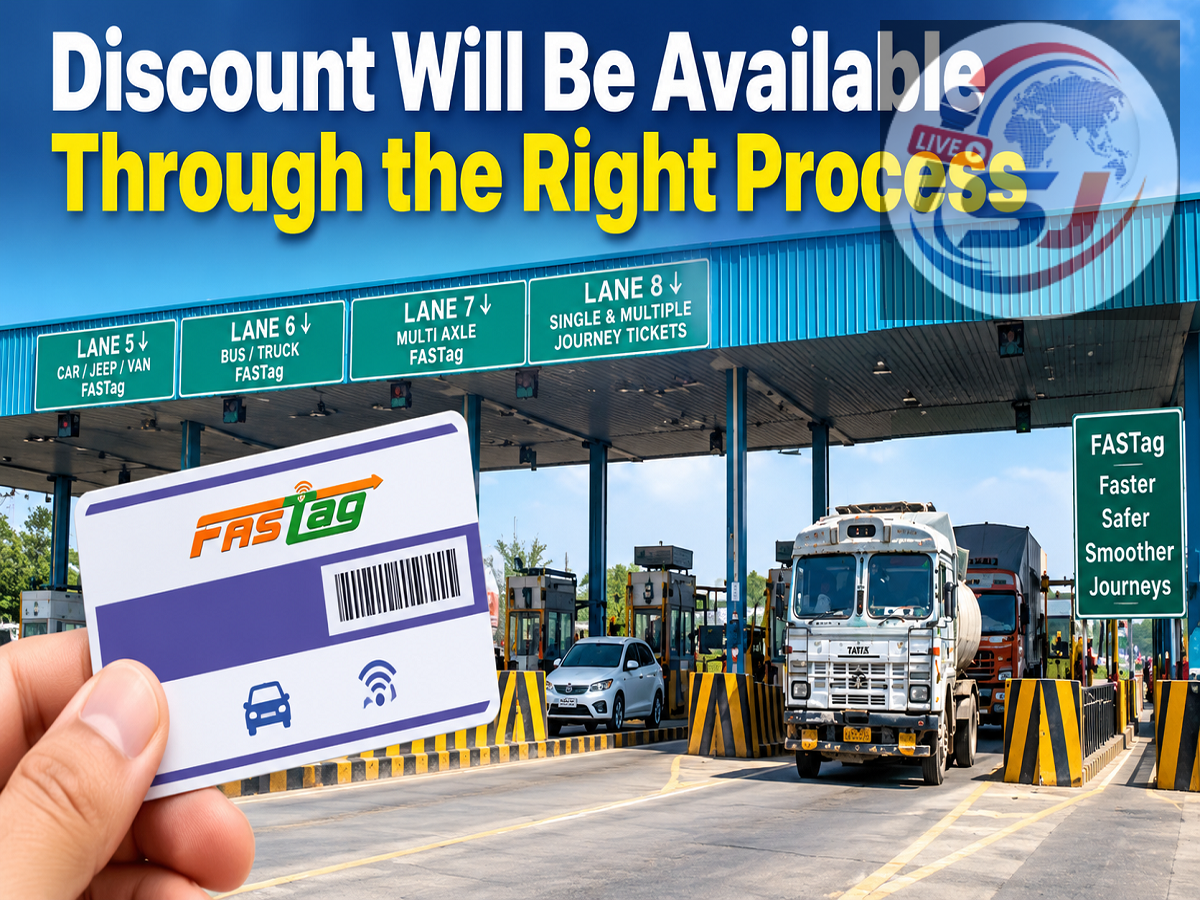
FASTag users who want to move from one issuer bank to another will no longer necessarily have to replace the physical tag fixed on their vehicle. A new portability solution called OneTag has been introduced to simplify the process of switching FASTag issuer banks.
Union Minister for Road Transport and Highways Nitin Gadkari launched OneTag on September 11, 2026, at the Global Fintech Fest 2026 in Mumbai. The facility is designed to allow eligible NETC FASTag customers to change their issuer bank while retaining their existing physical FASTag.
The service will be made available through NHAI's Rajmargyatra mobile app, where users will be guided through eligibility verification, consent, selection of a new issuer bank and onboarding.
For motorists who have faced repeated service problems with their current FASTag issuer, the new system could make switching providers considerably easier.
What Is OneTag FASTag Portability?
OneTag is a portability facility for NETC FASTag users.
Until now, a customer who wanted to change the bank that issued a FASTag generally had to close the existing FASTag account and complete a fresh onboarding process for a new physical tag.
OneTag changes this approach.
After successful portability, the user can retain the FASTag already attached to the vehicle while the issuer bank is changed in the underlying NETC system. Importantly, the existing Tag ID and vehicle registration number will remain unchanged after successful portability.
OneTag is a joint initiative of the Indian Highways Management Company Limited (IHMCL), which is promoted by NHAI, and the National Payments Corporation of India (NPCI).
How to Switch Your FASTag Issuer Bank
The portability service will be available through the Rajmargyatra mobile app.
According to the government's official announcement, the app will guide users through several stages, including an eligibility check, secure verification, customer consent, selection of the preferred issuer bank and onboarding with the new provider.
The precise screens and options presented to a user can depend on the rollout and eligibility status, but the broad process works around these stages.
First, open the Rajmargyatra app and access the FASTag-related portability facility when available for your account.
The system will then check whether your existing NETC FASTag is eligible for portability. Required customer and vehicle information may need to be verified as part of this process.
Once eligibility is confirmed, the customer can provide consent and select a preferred issuer from the banks available through the portability framework.
The selected bank will then complete the required onboarding before the portability request is successfully completed.
Will You Need to Replace the FASTag on Your Car?
This is the biggest advantage of OneTag.
After successful portability, users do not need to obtain a new physical FASTag merely because they have changed the issuer bank.
The same physical FASTag can remain attached to the vehicle.
The government says that both the existing Tag ID and vehicle registration number will continue unchanged after successful portability. Only the issuer details within the NETC ecosystem are updated.
This can eliminate the inconvenience of removing an existing FASTag, obtaining another tag and fixing the replacement to the vehicle's windscreen.
What Happens to Your Old FASTag Wallet?
Switching the issuer does not mean unresolved matters with the previous bank simply disappear.
Under the OneTag framework, the existing issuer bank will remain responsible for handling matters connected with the previous wallet.
This includes customer verification and issues involving refunds, pending transactions and other related matters.
Meanwhile, the newly selected issuer bank will be responsible for completing the customer's onboarding and providing FASTag services after successful portability.
This division is important because a user may still have money in the previous wallet or a transaction awaiting settlement when the portability process begins.
Check Pending Transactions Before Switching
Although OneTag is intended to streamline issuer switching, customers should check the condition of their existing FASTag account before initiating the process.
Look for pending transactions, unresolved disputes, wallet balances or other issues associated with the current issuer.
The old bank is responsible for handling the previous wallet, refunds and pending transactions under the portability framework, but understanding the account status beforehand can help customers keep track of anything that still needs to be settled.
Users should also compare the FASTag services offered by available issuer banks before making their selection.
Why Was FASTag Portability Introduced?
FASTag has become the dominant electronic toll-payment mechanism across India's National Highway network.
According to the government's September 11 announcement, FASTag penetration has crossed 98%, with around 13 crore NETC FASTags issued, of which approximately 6 crore were active at the time of the announcement.
With such a large user base, repeatedly issuing a new physical tag whenever a customer wants to change banks creates additional manufacturing, delivery and onboarding requirements.
OneTag is designed to improve FASTag lifecycle management by reducing repeated tag production and lowering operational, dispatch and reissuance costs.
It also gives customers greater choice by making it easier to change the financial institution providing their FASTag services.
What Role Will NPCI Play?
NPCI will provide the central technology framework supporting OneTag portability.
It will facilitate the portability process and update the FASTag issuer information within the NETC system.
Toll plazas and toll acquirers, meanwhile, will continue processing FASTag transactions through the existing framework.
This means the change is primarily happening in the backend issuer relationship rather than requiring a completely different FASTag system at toll plazas.
Rajmargyatra Is Becoming a Hub for FASTag Services
The Rajmargyatra app has gradually expanded beyond basic highway information.
NHAI originally introduced the app as a unified platform for National Highway users, with services including highway information, grievance redressal and FASTag-related features.
It has subsequently been used for services such as FASTag annual passes and digital local passes. The addition of OneTag further expands its role in managing FASTag-related services.
What FASTag Users Should Remember
OneTag does not mean that a customer's FASTag bank will change automatically. Portability requires an eligible FASTag, customer consent, verification, selection of the new issuer and successful onboarding.
The major benefit is that once this process is completed, the customer can continue using the same physical FASTag already attached to the vehicle.
The old issuer handles previous-wallet matters such as refunds and pending transactions, while the selected new bank completes onboarding and subsequently provides the relevant FASTag services.
For drivers who are dissatisfied with their existing FASTag issuer, OneTag therefore provides a more convenient route to switching banks without going through the earlier process of closing the tag and obtaining a completely new physical FASTag.