
EPFO Members Get Automatic Life Cover Without Paying Premium: Here’s How Families Can Claim EDLI Benefits
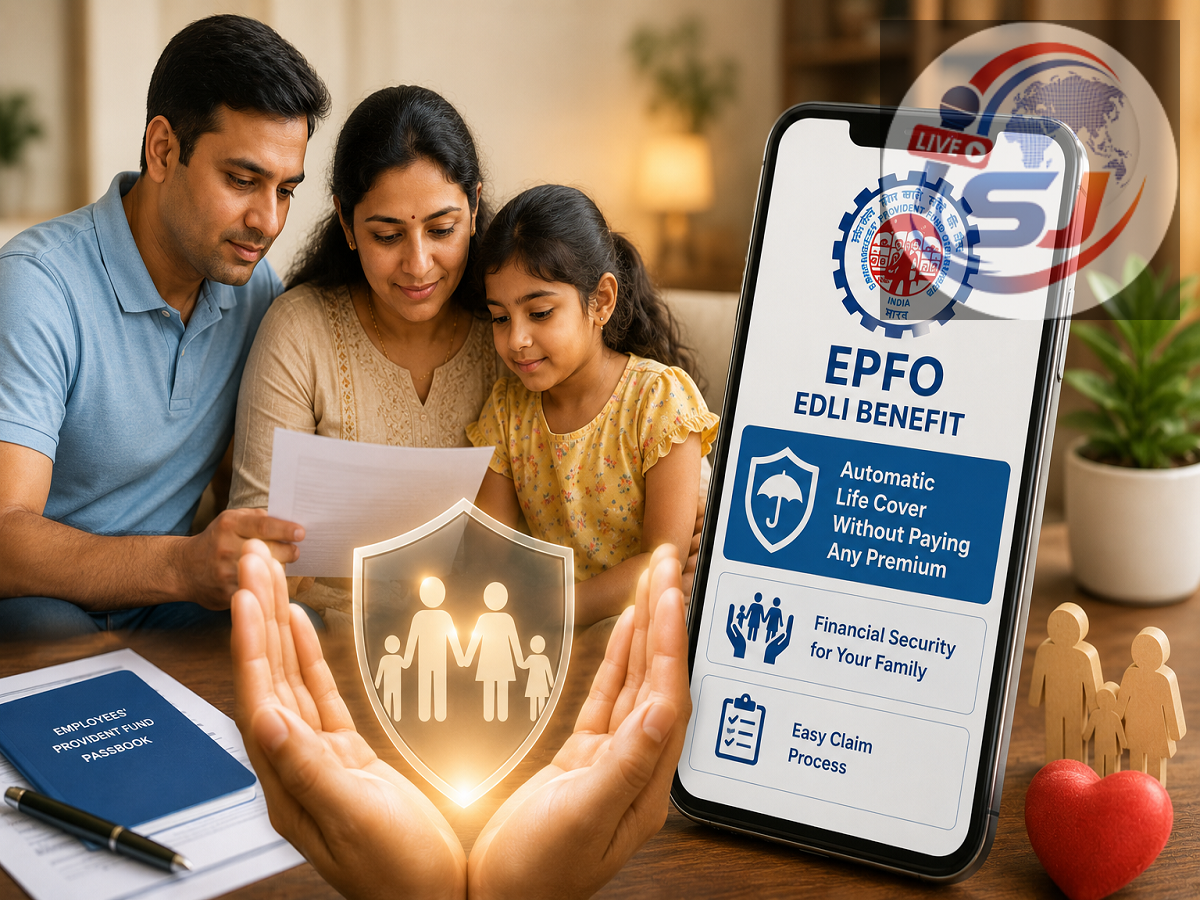
A salaried employee’s EPF account is generally associated with retirement savings, but the Employees’ Provident Fund Organisation (EPFO) framework can also provide financial protection to the employee’s family in the event of death during eligible service.
This protection comes through the Employees’ Deposit Linked Insurance (EDLI) Scheme. Eligible EPF members are covered under the scheme without having to separately purchase an insurance policy or pay an individual premium from their salary.
If an eligible member dies while covered under the scheme, the nominee or eligible legal heir can submit a claim for the applicable insurance benefit. The amount depends on the prescribed EDLI calculation and eligibility conditions rather than simply being a fixed ₹7 lakh payment for every member.
Here is how the scheme works and what families should know about filing a claim.
EDLI Is Different From the Money in Your PF Account
One of the most important things to understand is that EDLI isn't simply another name for the employee's accumulated provident fund balance.
EPF, EPS and EDLI serve different purposes.
EPF primarily builds retirement savings, while EPS provides pension-related benefits subject to eligibility. EDLI, on the other hand, provides insurance protection linked to eligible employment.
This means that after the death of an eligible employee, the family may have claims relating to provident fund, pension benefits and EDLI insurance, depending on the member's circumstances and applicable rules.
Employees Don't Pay a Separate EDLI Premium
Another major feature of the scheme is that the employee isn't required to purchase the insurance separately.
The contribution toward EDLI is made by the employer in accordance with the applicable EPFO rules. Therefore, an eligible employee doesn't have to pay a separate premium from their take-home salary to keep this insurance protection active.
This makes EDLI particularly important for families who may not have a separate high-value life insurance policy.
However, employees should still consider their overall financial protection needs because an employment-linked insurance benefit may not be sufficient to replace a family's long-term income requirements.
How Much Insurance Can a Family Receive?
The EDLI benefit isn't necessarily identical for every employee.
Under the applicable framework referred to here, the insurance benefit can reach up to ₹7 lakh, while prescribed conditions also determine the minimum benefit available in eligible cases.
The final claim amount is calculated according to the EDLI formula, which takes into account factors such as the employee's eligible wages and the prescribed bonus component.
Therefore, families shouldn't assume that every successful claim will automatically result in a ₹7 lakh payment.
The actual amount is determined after EPFO evaluates the deceased member's employment and contribution records according to the applicable rules.
Why the ₹7 Lakh Figure Is Important
The ₹7 lakh amount represents the maximum benefit ceiling under the scheme's applicable provisions rather than a universal payout.
This distinction matters because headlines describing EDLI as “₹7 lakh free insurance” can create the impression that every nominee automatically receives the full amount.
The calculation is subject to the prescribed formula and the deceased employee's eligible wage-related records.
Families filing a claim should therefore rely on the amount determined by EPFO rather than calculating their entitlement solely from the employee's total PF balance.
Who Can Claim the EDLI Benefit?
When an eligible EPF member dies while covered under EDLI, the insurance benefit is generally payable to the nominee registered by the member.
Where a valid nomination isn't available, payment may be made to eligible family members or legal heirs according to the applicable rules.
This is one reason employees should keep their EPF nomination details updated.
Major life events such as marriage, the birth of children or changes in family circumstances can make an old nomination inappropriate. Keeping these details current can potentially make the claim process easier for family members later.
What About Employees Who Changed Jobs?
Changing employers doesn't necessarily mean that EDLI protection is lost.
Continuity of eligible employment can be important when determining certain EDLI benefits. Under the revised provisions, continuous service across different establishments can be considered instead of requiring the employee to remain with only one employer for the entire qualifying period.
This is particularly relevant today because employees frequently switch jobs.
However, PF and employment records should remain properly linked so that the employee's service history can be established when required.
Which Form Is Used for an EDLI Claim?
In the event of the member's death, the nominee or eligible claimant generally needs to submit the prescribed Form 5IF for claiming the EDLI insurance benefit.
Depending on the case, claims relating to EPF and pension benefits may also need to be processed.
The claimant should carefully check the latest EPFO requirements because the documents and processing route can vary depending on whether a nomination exists, the claimant is a legal heir, or the deceased member's records require additional verification.
Documents Families May Need
Although requirements can vary according to individual circumstances, claimants may typically be asked to provide documents establishing the employee's death, claimant's identity, relationship or nomination status and banking information.
Commonly required records can include:
-
Death certificate of the EPF member
-
Claimant's identity/KYC documents
-
Bank account details
-
Nomination or relationship-related documents
-
Prescribed EDLI claim form
-
Employer-related verification where required
-
Guardianship details where the beneficiary is a minor
Additional documents can be requested in particular cases.
Families should therefore check the current EPFO instructions before submitting the claim rather than relying solely on an old checklist.
How Does the Claim Process Work?
The claimant first needs to establish eligibility as the nominee, eligible family member or legal heir.
The prescribed claim information and supporting documents then need to be submitted through the available EPFO claim process. Where employer certification or verification is required, this should also be completed.
EPFO examines the deceased member's employment and contribution records along with the claimant's documents.
Once the claim is approved, the applicable benefit is transferred to the eligible beneficiary's bank account according to the prescribed procedure.
Incorrect bank details, discrepancies in names, missing documents or outdated member information can potentially delay processing.
What If the Employer Is No Longer Available?
This can be an important concern when a company has closed or the claimant is unable to obtain the usual employer verification.
EPFO's prescribed procedures provide alternatives for certain situations where normal employer attestation isn't possible.
Instead of assuming that the insurance benefit cannot be claimed, family members should approach the relevant EPFO office and ask which alternative verification procedure applies to their case.
A company's closure doesn't automatically mean that an otherwise valid statutory benefit should simply be abandoned.
Employees Should Complete Their Nomination Before It Is Needed
EDLI highlights why EPF paperwork shouldn't be treated as something that matters only at retirement.
Employees should periodically check whether their UAN-linked details, nominee information and other important records are accurate.
If a member has never added a nominee or continues to have outdated family information in the EPFO records, family members may face additional documentation requirements when trying to establish their right to benefits.
Updating records today can therefore prevent unnecessary difficulties later.
EDLI Shouldn't Be Confused With Personal Life Insurance
Although EDLI can provide valuable financial assistance, employees should understand its limitations.
It is an employment-linked statutory insurance benefit, not necessarily a replacement for an independently purchased term insurance policy.
For example, a family with a home loan, children's education expenses and several years of household costs may require substantially more financial protection than the maximum amount available under EDLI.
The scheme is therefore better viewed as an additional safety net available to eligible EPF members.
A Simple Example
Suppose an employee covered under EPFO dies while eligible for EDLI protection.
The nominee shouldn't restrict the claim only to the balance visible in the deceased employee's PF account.
The family should check separately whether it is entitled to:
EPF accumulation,
pension-related benefits under EPS, and
insurance benefits under EDLI.
Each component has its own rules and calculation method.
This distinction can make a meaningful difference to the total financial support ultimately available to the family.
The Bottom Line
EPFO's EDLI scheme provides eligible employees with employment-linked life insurance protection without requiring them to pay a separate individual premium.
If an eligible member dies while covered, the nominee or other entitled claimant can apply for the insurance benefit using the prescribed claim procedure. Depending on applicable rules and calculations, the EDLI payout can reach up to ₹7 lakh.
For employees, the most useful action is simple: keep EPFO records, KYC details and nominations updated.
For families filing a claim, it is equally important to remember that the PF balance isn't necessarily the only benefit available. EPF, EPS and EDLI claims should all be checked separately, so that an eligible family doesn't unknowingly leave a statutory benefit unclaimed.