
EPFO Alert: Check Your EPS Service Before Withdrawing PF
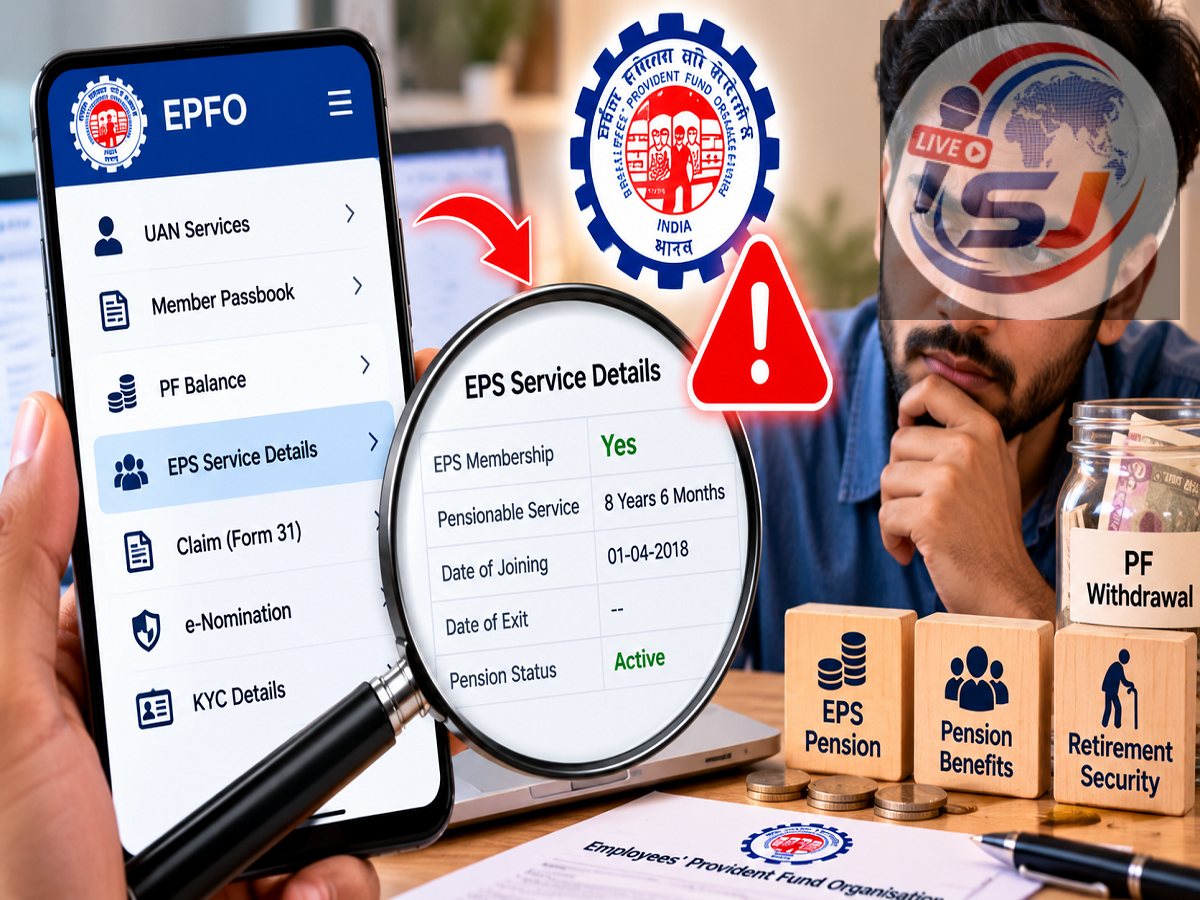
Employees changing jobs often focus on withdrawing or transferring their Provident Fund balance, but there is another important part of the EPFO system that should not be ignored—the Employees' Pension Scheme (EPS) service record.
EPF and EPS are connected to an employee's social-security benefits, but they serve different purposes. EPF primarily helps employees build a retirement corpus through contributions and applicable interest, while EPS deals with pension benefits and pensionable service under the scheme.
Therefore, when changing jobs, employees should ensure that their previous employment and pensionable service records are properly reflected under their UAN and linked with subsequent employment.
Ignoring discrepancies in the service history could create difficulties later when pension eligibility or other EPS benefits are being determined.
EPF and EPS Are Not the Same
Employees should first understand the difference between EPF and EPS.
Under the Employees' Provident Funds framework, contributions are made in accordance with the applicable rules. The employee's contribution generally goes to EPF, while the employer's contribution is divided between EPF and EPS subject to the scheme's rules and applicable wage limits.
EPF creates an accumulated retirement balance that eligible members can transfer or withdraw under prescribed conditions.
EPS works differently.
Rather than operating simply like a savings balance that can always be withdrawn in the same manner as EPF, EPS benefits are linked to factors including pensionable service and the conditions prescribed under the pension scheme.
This is why employees should not assume that withdrawing their EPF balance automatically settles every pension-related issue.
Why Your EPS Service Record Matters
Pensionable service can become particularly important for employees who have worked for multiple employers.
Suppose an employee works with one company for several years and then moves to another EPFO-covered organisation.
The employee's employment history needs to be properly reflected so that eligible service from different jobs can be considered according to EPS rules.
If previous employment details are missing, incorrectly recorded or not properly linked, the service history displayed in EPFO records may be incomplete.
That can create complications when the member later seeks pension-related benefits.
Is 10 Years of Service Important for EPS?
Yes. Under the applicable EPS framework, 10 years of eligible service is generally an important threshold for monthly pension eligibility, subject to the scheme's other conditions.
This makes maintaining an accurate service history particularly important.
An employee may have completed the required service across more than one employer rather than spending the entire period with a single company.
For example, eligible service with previous and current employers may be relevant when determining total pensionable service, provided the records and benefits have been maintained in accordance with EPS rules.
Employees should therefore review their service history whenever they change jobs.
Does Withdrawing EPF End Your EPS Service?
Withdrawing an EPF balance should not automatically be treated as meaning that the employee's EPS pensionable service has disappeared.
EPF and EPS benefits are governed differently.
However, the exact effect on future pension benefits depends on what the employee has done with the EPS component and their pension-related entitlement.
This distinction is crucial.
If a member has taken an EPS withdrawal benefit for previous service where permitted, the consequences are different from merely withdrawing the EPF accumulation while preserving eligible pensionable service.
Employees should therefore check their EPS position before submitting withdrawal claims rather than assuming that EPF and EPS are one combined cash balance.
Be Careful Before Taking EPS Withdrawal Benefit
Employees with shorter service periods may, subject to EPS rules, have options relating to withdrawal benefit or a Scheme Certificate.
These choices can have implications for future pension eligibility.
A Scheme Certificate can help preserve eligible pensionable service for combination with subsequent eligible service, subject to the scheme's conditions.
This can become particularly relevant for someone who has not yet completed the service required for a monthly pension but expects to work again in an establishment covered by EPFO.
Therefore, members should understand whether they are withdrawing only EPF money, claiming an EPS withdrawal benefit or preserving pensionable service.
These are not necessarily the same action.
Can Previous Service Be Linked After Changing Jobs?
When an employee moves from one EPFO-covered establishment to another, the previous member account and employment record should be properly linked under the UAN and applicable transfer process.
Form 13 is associated with the transfer of EPF accumulations and service details between covered employments under the applicable EPFO process.
However, employees should avoid assuming that Form 13 can reverse every previous pension-related claim.
If an EPS withdrawal benefit has already been settled, the situation may be different from a case where only EPF money was withdrawn and eligible pensionable service remains available.
Members with such a history should verify their individual service and claim records through EPFO rather than relying on a generic assumption.
Check These Details When Changing Jobs
Several record-related problems can cause complications during an EPF transfer or while establishing pensionable service.
Make sure the personal information linked to your Universal Account Number (UAN) is correct.
Your name, date of birth and other relevant details should be consistent with the records required for verification.
KYC information should also be complete and accurate.
Employees should check that previous and current employment records are correctly associated with their UAN and that there are no unexplained discrepancies.
Another particularly important field is the Date of Exit from the previous establishment.
Why Date of Exit Is Important
The Date of Exit tells the EPFO system when your employment with a particular establishment ended.
If the exit date is missing or incorrect, it can create problems when transferring an account or processing certain claims.
After leaving a job, members should check whether the previous employment record displays the correct exit information.
The EPFO member portal provides eligible members with facilities related to updating or marking exit details in applicable cases.
The availability of self-service options and the exact process can depend on the member's records and EPFO requirements.
How to Check or Mark Date of Exit
Members can start by signing in to the EPFO member portal using their UAN and password.
After logging in, look under the Manage section for the relevant Mark Exit facility, where available.
Select the previous employment or member ID and carefully check the displayed details.
Enter the appropriate reason and Date of Exit according to your employment records.
Where Aadhaar-based verification is required, complete the OTP verification and submit the request.
Do not enter an estimated or incorrect exit date simply to complete the process. The information should match your actual employment record.
Check Your Service History Before Filing a Claim
Before withdrawing or transferring PF after changing jobs, it is useful to review your EPFO records.
Check whether your previous and current employment details appear correctly under the same UAN.
Also verify your Date of Joining, Date of Exit and other service-related information.
If something is missing or incorrect, consider getting it corrected before making a pension-related decision.
Keeping employment records such as appointment letters, relieving letters, salary slips and PF-related documents can also be useful if a discrepancy needs to be resolved later.
Don't Focus Only on Your PF Balance
For many employees, the amount displayed in the PF account receives the most attention because it represents money that may be available for withdrawal under eligible circumstances.
But retirement planning under EPFO involves more than the visible EPF balance.
EPS pensionable service can become valuable when an employee approaches the qualifying service requirements for pension.
Withdrawing money without understanding the distinction between an EPF withdrawal, EPS withdrawal benefit and preservation of pensionable service can lead to confusion later.
Employees changing jobs should therefore check their complete EPFO service history before making a withdrawal decision.
If previous service is not appearing correctly, the member should review the transfer and service records and use the appropriate EPFO process for correction or transfer.
Most importantly, do not assume that withdrawing your PF balance and settling your pension entitlement are the same thing. Understanding how your EPS service is being treated can help protect your future pension eligibility.
Disclaimer: EPF and EPS benefits depend on the member's service history, age, claims already settled and the rules applicable to the individual case. Members should verify their records and applicable procedure with EPFO before taking an EPS withdrawal benefit or making a decision that could affect pensionable service.