
Digital Self-Assessment Initiative Launched to Improve Procurement Centre Infrastructure and Services
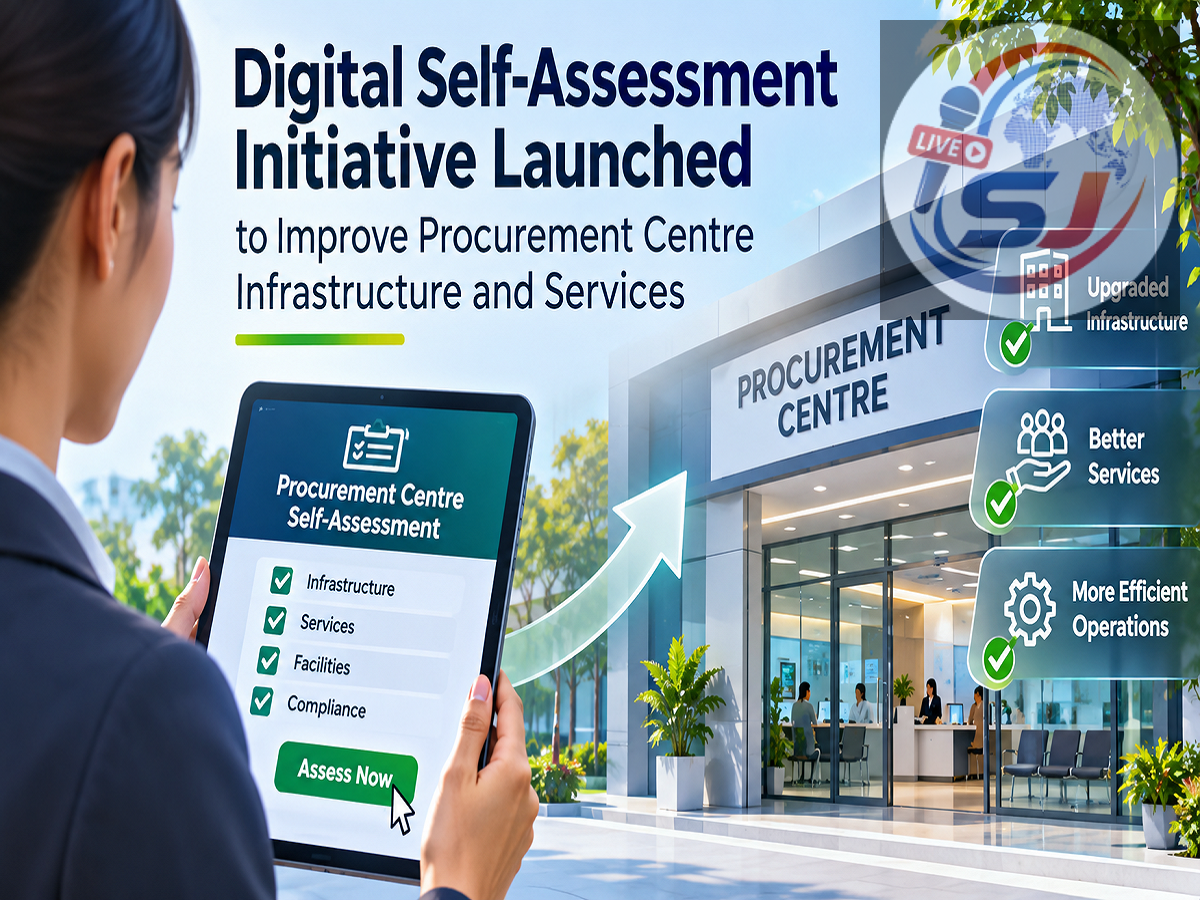
Digital India Initiative 2026: A new digital self-assessment initiative aims to strengthen infrastructure, improve operational efficiency, and enhance service quality at procurement centres through a structured evaluation based on 16 standard criteria.
In an important step towards modernising agricultural procurement infrastructure, a digital self-assessment initiative has been introduced to evaluate the facilities and services available at procurement centres. The initiative is designed to help authorities assess existing infrastructure, identify operational shortcomings, and prioritise improvements through a standardised digital evaluation process.
The initiative, highlighted under the hashtags #PCSAP, #DigitalIndia, and #DFPD, reflects the growing emphasis on technology-driven monitoring and institutional accountability in India's public procurement system.
By assessing procurement centres against 16 standard criteria, the programme seeks to provide a clearer picture of their operational readiness and areas requiring attention.
What Is the Digital Self-Assessment Initiative?
The digital self-assessment initiative provides a structured mechanism through which procurement centres can evaluate their infrastructure and service standards.
Rather than relying exclusively on conventional inspection methods, the initiative introduces a digital approach that allows centres to review their performance against predefined parameters.
The assessment focuses on understanding whether procurement facilities are adequately equipped to carry out their responsibilities and identifying where improvements may be necessary.
The information collected through this process can help administrators make more informed decisions regarding infrastructure development and service improvements.
Importantly, self-assessment is intended to identify strengths and weaknesses. It should not automatically be considered equivalent to an independent inspection or official certification.
Procurement Centres to Be Evaluated on 16 Standard Criteria
One of the central features of the initiative is its evaluation framework, which consists of 16 standard criteria.
These criteria provide a common basis for reviewing the existing condition and functioning of procurement centres.
Although the complete list of assessment parameters has not been specified in the available announcement, infrastructure quality, operational preparedness, and service delivery are among the broader objectives highlighted.
A standardised assessment framework can help authorities compare conditions across different procurement facilities and identify recurring challenges.
For example, where assessments reveal infrastructure limitations or operational difficulties, the findings may help guide future administrative action.
Using consistent evaluation standards also makes it easier to monitor improvements over time, provided that centres conduct assessments regularly and maintain reliable records.
How Digital Assessment Can Improve Procurement Infrastructure
Agricultural procurement centres play an important role in connecting farmers with government-supported procurement systems.
These facilities are responsible for supporting procurement operations and helping ensure that eligible agricultural produce can be purchased through established mechanisms.
The quality of infrastructure at these centres can influence the overall efficiency of procurement activities.
A digital assessment system offers several potential advantages.
First, it can provide a more organised record of infrastructure conditions. Second, it can help identify gaps that may otherwise remain unnoticed. Third, it can support evidence-based planning by giving administrators a clearer understanding of requirements across procurement locations.
Digital records may also make it easier to review previous assessments and determine whether corrective measures have produced improvements.
However, the actual benefits will depend on the accuracy of the information submitted and the follow-up action taken by the responsible authorities.
Why Better Procurement Services Matter for Farmers
For farmers, the functioning of procurement centres can directly affect their experience during the agricultural marketing and procurement process.
Well-managed facilities can help make procurement activities more organised, accessible, and efficient.
Infrastructure improvements may also reduce operational difficulties and support smoother coordination between farmers, procurement personnel, and administrative agencies.
Although the announcement does not specify any immediate changes to farmer payments, procurement prices, or registration procedures, improving the overall quality of procurement facilities could contribute to a better service experience.
The initiative therefore represents an opportunity to identify practical challenges at the facility level and develop appropriate solutions.
Supporting the Digital India Vision
The initiative also aligns with the broader objectives of Digital India, which promotes the use of technology to improve governance, transparency, and public service delivery.
Digital assessment mechanisms can support more systematic data collection and reduce dependence on fragmented manual reporting.
When properly implemented, such systems can help authorities monitor infrastructure requirements, identify priorities, and allocate attention to facilities that need improvement.
The involvement of digital monitoring in procurement administration also reflects a wider shift towards data-supported decision-making in government operations.
The Department of Food and Public Distribution (DFPD) plays an important role in India's food management and procurement-related administrative framework.
What Happens After the Assessment?
The effectiveness of the initiative will ultimately depend on how the assessment findings are used.
Once procurement centres evaluate their facilities against the 16 prescribed criteria, the resulting information can potentially help identify locations requiring infrastructure upgrades, administrative support, or operational improvements.
A structured follow-up mechanism would be important for converting assessment findings into measurable progress.
Regular monitoring, timely corrective action, and updated assessment records could further strengthen the programme's usefulness.
At present, the available announcement does not provide detailed information about implementation deadlines, individual assessment parameters, or mandatory compliance requirements.
Additional official instructions would be necessary to establish these operational details.
A Step Towards More Efficient Agricultural Procurement
The introduction of a digital self-assessment framework marks a constructive development in efforts to strengthen India's procurement infrastructure.
By encouraging procurement centres to evaluate themselves against 16 standard criteria, the initiative aims to create a more systematic understanding of existing facilities and service standards.
Its long-term success will depend on accurate reporting, effective administrative monitoring, and practical improvements based on the assessment results.
If implemented effectively, the programme could support better infrastructure planning, improved procurement centre management, and more reliable services for farmers and other stakeholders.
Source Credit: Department of Food and Public Distribution (DFPD), Government of India — Digital Self-Assessment Initiative announcement shared under #PCSAP, #DigitalIndia and #DFPD.