
DA Hike 2026: Will Central Employees Get 63% DA Before Diwali? Check Salary Increase and Arrears
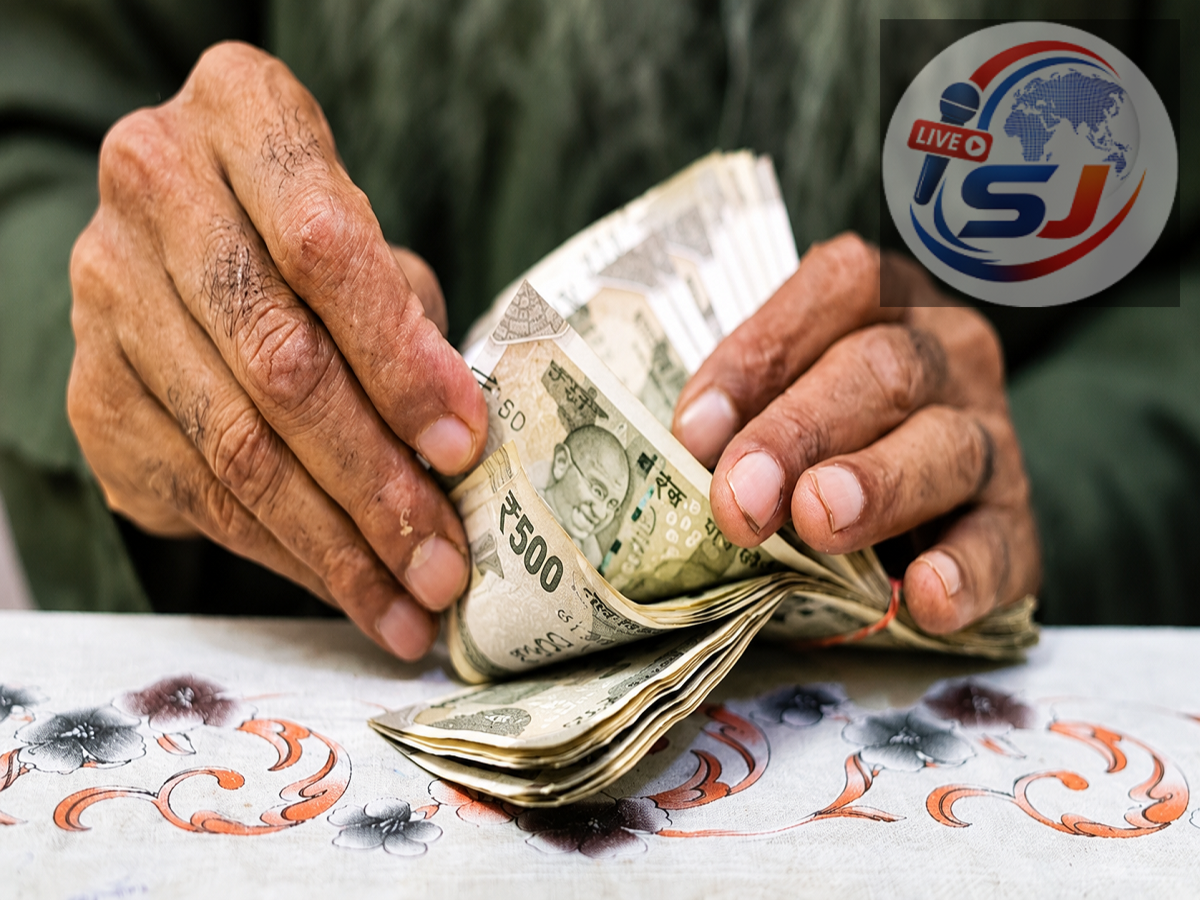
7th Pay Commission DA Hike Update: Central government employees and pensioners are awaiting an important announcement regarding the pending Dearness Allowance (DA) and Dearness Relief (DR) revision for July 2026. Reports suggest that a 3 percentage point increase is being anticipated, potentially raising the existing DA rate from 60% to 63%.
If approved, the revision could provide additional monthly income to eligible central government employees and increase the Dearness Relief received by pensioners.
The proposed increase has attracted particular attention ahead of Diwali, which falls on November 8, 2026. Employee organisations have been demanding an early decision so that the pending revision can be implemented without further delay.
However, the proposed 63% DA rate has not been officially confirmed in the supplied report. Employees should treat the salary and arrears calculations as estimates until the government issues a formal notification.
Central Government DA Hike: What Is the Latest Update?
The July 2026 DA and DR revision remains an important issue for central government employees and pensioners.
According to the October 18 report, approximately 1.2 crore employees and pensioners could be affected by the pending decision.
The anticipated increase of 3 percentage points would take DA from 60% to 63%, provided the government approves the proposed rate.
The revision is expected to be considered separately from other employee benefits, including festive bonuses.
A possible Cabinet discussion on October 21 has also attracted attention, although the report does not establish that the DA proposal is officially scheduled for approval at that meeting.
Until the government confirms the revised percentage and implementation details, the increase remains an expectation rather than a final decision.
How Much Will Salary Increase if DA Rises to 63%?
Dearness Allowance is calculated as a percentage of an employee's basic salary.
If the DA rate increases from 60% to 63%, the additional monthly benefit will equal 3% of basic pay.
For example, an employee receiving a basic salary of ₹18,000 currently gets ₹10,800 as DA at 60%.
At 63%, the DA amount would increase to ₹11,340.
This represents an additional ₹540 per month, excluding any consequential changes in other salary components.
DA Hike Salary Calculator: 60% vs 63%
| Basic Monthly Salary |
DA at 60% |
DA at 63% |
Monthly Increase |
Annual Increase |
|---|---|---|---|---|
| ₹18,000 |
₹10,800 |
₹11,340 |
₹540 |
₹6,480 |
| ₹25,500 |
₹15,300 |
₹16,065 |
₹765 |
₹9,180 |
| ₹35,400 |
₹21,240 |
₹22,302 |
₹1,062 |
₹12,744 |
| ₹44,900 |
₹26,940 |
₹28,287 |
₹1,347 |
₹16,164 |
| ₹56,100 |
₹33,660 |
₹35,343 |
₹1,683 |
₹20,196 |
| ₹1,00,000 |
₹60,000 |
₹63,000 |
₹3,000 |
₹36,000 |
Note: The table assumes approval of a 3 percentage point DA increase. Figures represent the additional DA component, not the total change in take-home salary.
Employees With ₹18,000 Basic Pay Could Get ₹540 More Every Month
Employees at the ₹18,000 basic salary level would receive an additional ₹540 monthly if the proposed increase is approved.
Their DA would rise from ₹10,800 to ₹11,340.
Over 12 months, the additional DA would amount to ₹6,480, assuming the same basic salary and revised rate throughout the period.
The actual take-home salary could differ because of deductions and other payroll adjustments.
How Much Will Employees Earning ₹35,400 or ₹56,100 Receive?
For employees drawing a basic salary of ₹35,400, a 3 percentage point increase would result in an additional ₹1,062 every month.
Their monthly DA would move from ₹21,240 to ₹22,302.
Meanwhile, employees with a basic salary of ₹56,100 would see their DA increase by ₹1,683 monthly.
Their revised DA would reach ₹35,343, compared with ₹33,660 at the existing 60% rate.
This means the annual additional DA could reach ₹20,196 for an employee with ₹56,100 basic pay, provided the revised rate applies for a full year without changes in basic salary.
DA Arrears 2026: How Much Could Employees Receive?
One of the biggest questions concerns the arrears payable if the government approves the revision with effect from July 1, 2026.
When a DA revision is announced after its effective date, eligible employees may receive the difference for the intervening months.
For example, if the increased DA becomes effective from July 1 but is reflected in the October salary, arrears could be payable for July, August and September.
Estimated DA Arrears for Three Months
| Basic Salary |
Additional Monthly DA |
Estimated 3-Month Arrears |
|---|---|---|
| ₹18,000 |
₹540 |
₹1,620 |
| ₹25,500 |
₹765 |
₹2,295 |
| ₹35,400 |
₹1,062 |
₹3,186 |
| ₹44,900 |
₹1,347 |
₹4,041 |
| ₹56,100 |
₹1,683 |
₹5,049 |
| ₹1,00,000 |
₹3,000 |
₹9,000 |
These are illustrative calculations for July through September 2026.
If the revision is implemented later, the arrears period could be longer, depending on the effective date and actual payment month specified in the government order.
Will Pensioners Also Benefit From the DA Increase?
Central government pensioners generally receive Dearness Relief rather than Dearness Allowance.
DR is intended to help pensioners manage increases in the cost of living.
If the government approves a corresponding 3 percentage point DR revision, eligible pensioners would also receive an increase in their monthly payments.
For example, a pensioner with a basic pension of ₹20,000 would receive an additional ₹600 per month if DR increases from 60% to 63%.
The calculation would be:
-
Existing DR at 60%: ₹12,000
-
Revised DR at 63%: ₹12,600
-
Additional monthly DR: ₹600
Any arrears would depend on the officially notified effective date and payment arrangements.
Why Are Employee Organisations Demanding an Early DA Announcement?
The pending July 2026 DA and DR revision has become an important concern for employee associations.
According to the report, the Confederation of Central Government Employees and Workers wrote to the Cabinet Secretary on October 14, seeking action on pending employee-related demands.
The organisation also called for nationwide demonstrations on October 16.
Its demands reportedly included the release of the July 2026 DA and DR instalment and matters concerning festive bonuses.
Employee organisations have sought a decision before Diwali so that eligible employees and pensioners can receive the additional amount during the festive period.
However, such demands do not establish the timing or outcome of a government decision.
DA Hike vs Diwali Bonus: What Is the Difference?
Although DA revisions and festive bonuses can both increase the money received by employees, they operate differently.
Dearness Allowance is a recurring salary component calculated using basic pay.
Once a revised rate is implemented, the additional DA generally continues in subsequent salary payments until further revision or changes under the applicable pay framework.
A bonus, on the other hand, is usually a separate payment linked to the relevant scheme and eligibility conditions.
The supplied report refers to a 30-day ad-hoc bonus of up to ₹6,908 for eligible non-gazetted employees and a 78-day Productivity Linked Bonus of up to ₹17,951 for eligible railway employees.
These bonus arrangements are separate from the pending DA and DR revision.
Therefore, receiving a festive bonus does not automatically mean that the revised DA has also been approved.
How Is Dearness Allowance Calculated?
The central government generally reviews DA and DR twice a year, with revisions associated with January 1 and July 1.
The calculation is linked to movements in the All-India Consumer Price Index for Industrial Workers, commonly known as CPI-IW.
This index reflects changes in the prices of goods and services consumed by industrial workers.
The government uses the applicable formula and relevant index data when determining the revised allowance.
However, the final DA percentage becomes official only after the competent authority approves and announces the revision.
Is the July 2026 DA Hike Connected to the 8th Pay Commission?
The pending DA revision and the 8th Central Pay Commission are separate matters.
The DA revision concerns inflation-related adjustments under the existing pay framework.
The 8th Pay Commission, meanwhile, is responsible for reviewing broader issues related to the pay structure and other service conditions of central government employees.
According to the report, the 8th Pay Commission was constituted on November 3, 2025, with an 18-month period to submit its recommendations.
That timeline would place the expected report submission around May 2027, subject to any official changes.
The pending DA revision should therefore not be confused with a final decision on the implementation of the 8th Pay Commission's recommendations.
Will the DA Hike Be Announced Before Diwali 2026?
With Diwali scheduled for November 8, expectations of a pre-festival announcement have increased.
The report refers to a possible Cabinet meeting on October 21, raising speculation that the pending DA and DR revision could be discussed.
However, there is no confirmed decision in the supplied information establishing that the revision will be approved on that date.
Employees and pensioners should wait for an official government communication confirming the revised rate, effective date and payment arrangements.
DA Hike 2026: What Should Employees Expect Next?
If the government approves the anticipated increase from 60% to 63%, central government employees could receive additional monthly DA ranging from ₹540 for those with ₹18,000 basic pay to ₹3,000 for those with ₹1 lakh basic pay.
Eligible pensioners could also benefit from a corresponding increase in Dearness Relief.
Arrears may become payable from July 2026 if that effective date is officially approved.
For now, the 3 percentage point increase remains a reported expectation, not a confirmed government announcement. The exact salary increase, arrears payment and implementation schedule will become clear only after the official order is issued.
Editorial note: This article is based on the supplied October 18, 2026 report. The proposed 63% DA rate, anticipated Cabinet discussion and payment timeline have not been independently verified through an official notification. Salary and arrears figures are illustrative calculations based on the proposed increase.