DA Hike 2026: Central Employees May Get 63% DA; 8th Pay Commission Salary Calculation Explained
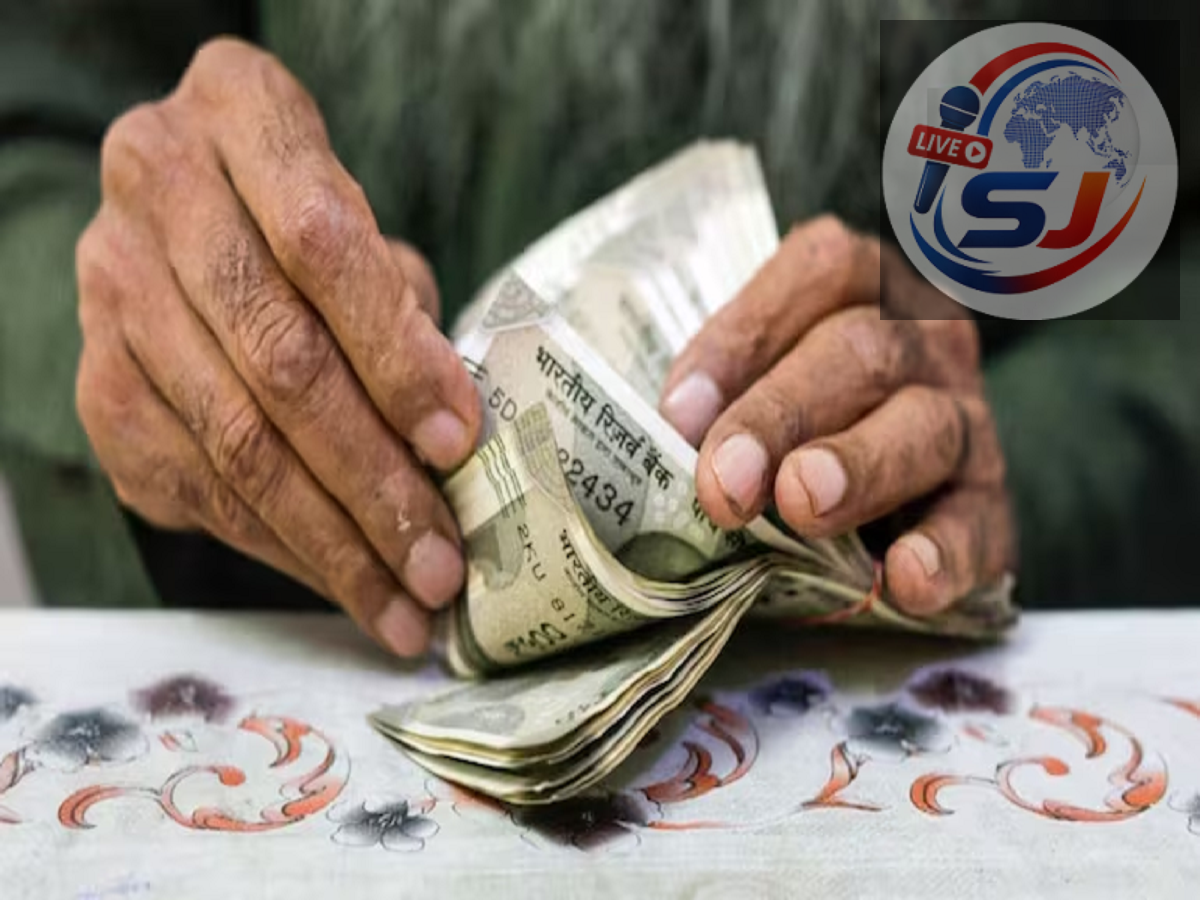
Central government employees and pensioners could receive an important update on Dearness Allowance (DA) and Dearness Relief (DR) during the festive season. Expectations are building around another revision that could potentially take the DA rate from the existing 60% to 63%, according to the report.
At the same time, developments surrounding the 8th Central Pay Commission are gathering pace. The commission is continuing consultations across states and Union Territories, while employee and pensioner organisations are raising demands related to salary restructuring and pension revision.
Another major point of discussion is the fitment factor. Employee organisations argue that even if the 8th Pay Commission ultimately uses a factor such as 2.1, lower than the 2.57 factor associated with the 7th Pay Commission, the effective increase for employees could still be substantial.
Here's what the latest report says about the DA hike, pension revision, 8th Pay Commission consultations and possible salary calculations.
DA Could Rise From 60% to 63%
Central government employees currently receive DA at 60% of basic pay, according to the source.
The rate reached this level after a 2-percentage-point increase in January 2026.
Now, calculations based on the 12-month All India Consumer Price Index for Industrial Workers (AICPI-IW) data indicate the possibility of another 3-percentage-point increase.
If that estimate translates into an approved revision, DA would rise from 60% to 63%.
Pensioners would similarly be affected through the corresponding revision in Dearness Relief.
However, employees should note that the 63% figure is currently an expectation cited in the report rather than a final government announcement.
When Could the DA Hike Be Announced?
According to Manjeet Singh Patel, president of the All India NPS Employees Federation, the announcement is generally made around September, although it can sometimes be delayed until October.
This means central employees and pensioners may receive clarity during the festive period.
The timing of an announcement and its effective date are separate issues. Employees should therefore wait for an official government decision for the final percentage, payment schedule and any arrears-related details.
How Much Difference Can 63% DA Make?
If DA rises to 63%, the increase can be illustrated with a simple example.
Suppose a central government employee has a basic salary of ₹18,000.
At 60% DA:
₹18,000 × 60% = ₹10,800
At 63% DA:
₹18,000 × 63% = ₹11,340
The difference would therefore be ₹540 per month in DA.
For a basic salary of ₹50,000, a 3-percentage-point rise would translate into an additional ₹1,500 per month in DA.
The actual impact on an employee's total salary would depend on basic pay and other applicable components.
8th Pay Commission Continues Consultations
The DA revision is not the only important development for government employees.
The 8th Central Pay Commission is continuing its consultation process with employee organisations and other stakeholders.
According to the uploaded report, the commission is completing its two-day Jaipur visit on September 1, 2026. It also lists upcoming consultations in Puducherry and Chandigarh, followed by Bengaluru in October.
The report says consultations have already been conducted in several places, including Delhi, Ladakh, Jammu and Kashmir, Telangana, Maharashtra, West Bengal and Uttar Pradesh.
These meetings provide employee organisations and other stakeholders an opportunity to place their demands and recommendations before the commission.
Pension Revision Issue Moves to Expenditure Department
Pensioners are also closely watching the 8th Pay Commission process.
According to the source, the Department of Personnel and Training (DoPT), through an Office Memorandum dated August 18, 2026, forwarded representations from the All India Defence Employees Federation and the All India RMS, MMS and Postal Pensioners Association to the Department of Expenditure under the Ministry of Finance.
The organisations want pension revision for those who retired before January 1, 2026 to be explicitly covered under the commission's Terms of Reference.
The demand reportedly refers to a precedent from the Fourth Pay Commission period in 1985, when the scope was modified to address former employees as well.
The transfer of representations, however, should not be interpreted as confirmation that the demand has been accepted. A final decision would require the appropriate government process.
What Is the 2.1 Fitment Factor Discussion?
The fitment factor is one of the most closely watched aspects of any new pay commission because it can play a major role in determining revised basic pay.
The 7th Pay Commission used a fitment factor of 2.57.
Employee organisations cited in the report argue that even if the 8th Pay Commission eventually adopts a lower factor — for example, 2.1 — employees could still receive a significant effective increase.
It is important to emphasise that 2.1 is not presented in the source as a final government-approved fitment factor. It is being used as an illustrative possibility in discussions and calculations.
What Would a 2.1 Fitment Factor Do to Basic Pay?
A simple hypothetical calculation helps explain the effect.
If an employee's existing basic pay is ₹18,000 and a 2.1 fitment factor were applied directly:
₹18,000 × 2.1 = ₹37,800
That would produce a revised basic pay of ₹37,800 under this simplified illustration.
Similarly:
| Current Basic Pay | Illustrative 2.1 Calculation |
|---|---|
| ₹18,000 | ₹37,800 |
| ₹25,500 | ₹53,550 |
| ₹35,400 | ₹74,340 |
| ₹50,000 | ₹1,05,000 |
These numbers are only mathematical examples. Actual revised salaries would depend on the final recommendations, approved fitment methodology, pay matrix and subsequent government decision.
Why Employee Groups Say a Lower Factor Could Still Deliver a Bigger Effective Gain
Employee organisations cited in the report make an interesting comparison with the 7th Pay Commission.
According to their argument, DA had reached around 125% during the transition to the 7th Pay Commission. Therefore, although the fitment factor was 2.57, a significant portion of the apparent increase effectively incorporated the accumulated DA.
The organisations argue that the circumstances surrounding the 8th Pay Commission are different because the DA level is comparatively lower.
On this basis, they claim that even a fitment factor of 2.1 could potentially translate into an effective net benefit of around 53%, compared with the approximately 32% figure they associate with the previous pay revision.
These figures represent the argument and calculation cited by employee organisations and should not be treated as an officially approved salary formula.
When Will the 8th Pay Commission Submit Its Report?
According to the source, the 8th Pay Commission was constituted in November 2025 and has been given 18 months to submit its report.
The report refers to January 1, 2026 as the expected effective date being discussed for the recommendations, while making clear that implementation will ultimately depend on government and Cabinet approval.
This distinction is important because an effective date does not necessarily mean employees will immediately start receiving revised salaries from that date.
The commission must complete its work, submit recommendations, and the government must decide what it will accept and how those recommendations will be implemented.
What Central Employees Should Watch Now
For the immediate future, the DA revision is likely to attract the most attention.
If the projected 3-percentage-point increase is approved, DA could move from 60% to 63%, providing employees with an additional increase linked directly to their basic pay.
Beyond that, the bigger long-term development is the 8th Pay Commission.
Its final fitment factor, revised pay matrix, treatment of existing DA, pension revision formula and implementation schedule will ultimately determine how much employees and pensioners actually gain.
Until those decisions are officially announced, figures such as the 2.1 fitment factor and 53% effective benefit should be treated as estimates or demands being discussed, not confirmed government decisions.