
DA Hike 2026: Central Employees Await Salary Increase After October 21 Cabinet Meeting, Check Expected Rates
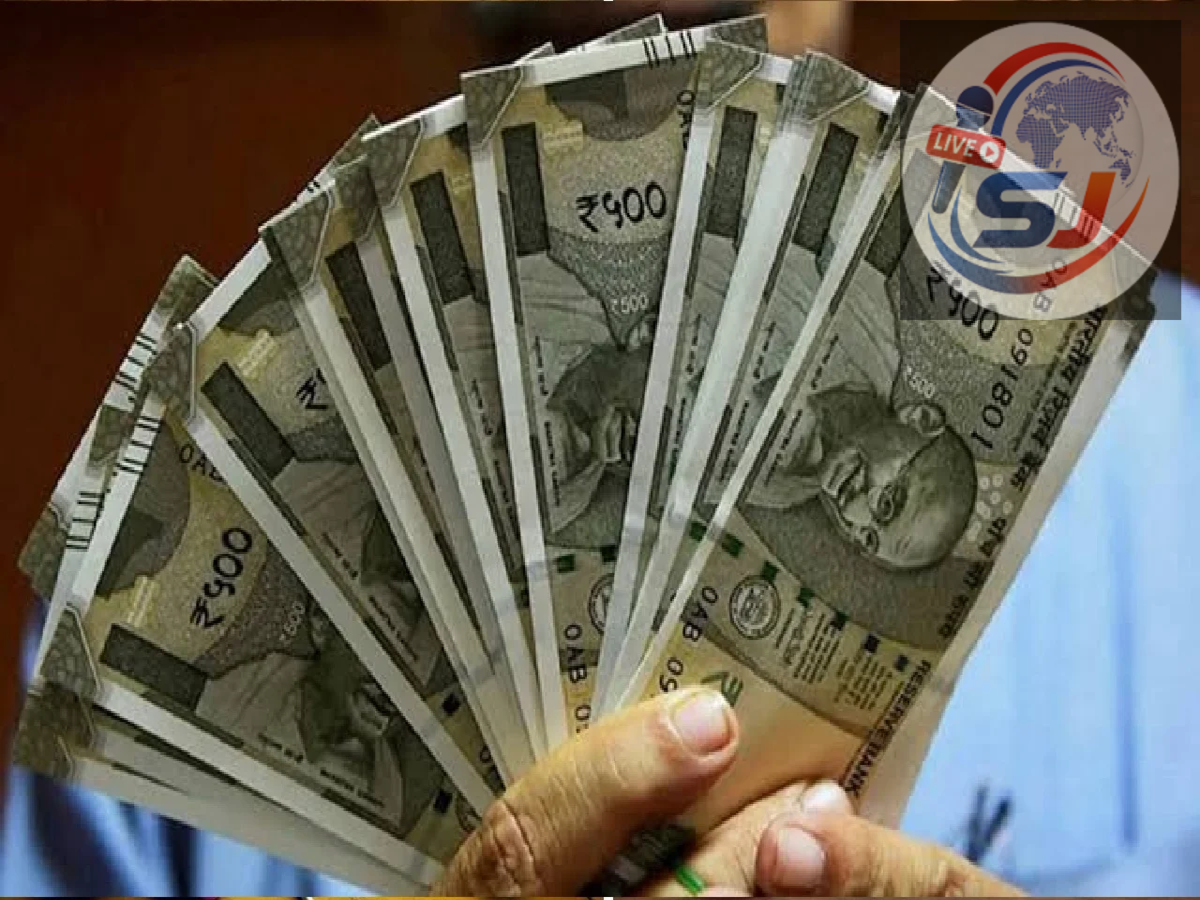
DA Hike Latest News, October 23, 2026: Millions of central government employees and pensioners are still waiting for an official announcement regarding the next Dearness Allowance (DA) and Dearness Relief (DR) revision. Expectations were high ahead of the Union Cabinet meeting held on October 21, 2026, but the government did not announce any increase in the allowance during that meeting.
The delay has created uncertainty among employees and retirees who were expecting additional financial relief during the festive season. With the July 2026 revision still pending, attention has now shifted to the next possible Cabinet meeting, which could take place on October 28.
Based on inflation-related calculations, the next DA revision is being estimated at around 3% to 4%, potentially increasing the existing rate from 60% to 63% or 64%. However, the government has not officially confirmed either the revised percentage or the announcement date.
DA Hike 2026: Why Was No Announcement Made on October 21?
Central government employees had expected the Union Cabinet to approve the pending DA revision during its October 21 meeting.
The timing appeared significant because the announcement was anticipated around the festive period, when government employees traditionally look forward to salary-related benefits and bonus payments.
However, the Cabinet meeting concluded without a publicly reported decision on the July 2026 DA increase.
The absence of an announcement has prompted questions about whether the revision has been postponed or is simply awaiting the completion of administrative formalities.
According to pension-related experts cited in the source report, the delay may be procedural rather than an indication of any fundamental change in the government's DA revision policy.
There is currently no official confirmation that the pending revision has been cancelled.
When Could the Government Announce the Next DA Increase?
The next possible date being discussed is Wednesday, October 28, 2026.
Union Cabinet meetings are frequently scheduled on Wednesdays, which has led to speculation that the pending DA proposal could be considered during the following week's meeting.
However, Cabinet meetings are not restricted to a particular weekday. Their schedules can change, and additional meetings may be organised when required.
Therefore, October 28 should be treated only as a possible announcement date rather than a confirmed deadline.
Employees and pensioners will need to wait for an official government communication before the revised allowance can be considered approved.
DA Could Increase From 60% to 63% or 64%
The existing DA rate mentioned in the report is 60% of basic pay.
Based on the available inflation index figures, estimates suggest that the next revision could result in an increase of approximately 3 to 4 percentage points.
If these expectations materialise, the revised DA rate could reach either 63% or 64%.
| Particulars |
Current Position |
Possible Revision |
|---|---|---|
| Dearness Allowance |
60% |
63%–64% |
| Expected increase |
— |
3–4 percentage points |
| Revision cycle |
July 2026 |
Pending announcement |
| Possible Cabinet meeting |
— |
October 28, 2026 |
| Official approval |
Pending |
Not confirmed |
These projections are based on reported inflation trends and expert expectations. The final rate will depend on the government's official decision.
How Much Could Your Monthly Salary Increase?
A DA revision directly affects the allowance component calculated on an eligible central government employee's basic salary.
For example, an employee receiving a basic salary of ₹18,000 currently gets ₹10,800 as DA at the 60% rate.
If the allowance increases to 63%, the DA amount would rise to ₹11,340, resulting in an additional ₹540 per month.
At a 64% rate, the monthly DA would become ₹11,520, representing an increase of ₹720.
The following table illustrates the potential impact on different basic salary levels.
DA Hike Salary Calculation: Expected Monthly Benefits
| Basic Salary |
Current DA at 60% |
DA at 63% |
DA at 64% |
Monthly Increase at 63%–64% |
|---|---|---|---|---|
| ₹18,000 |
₹10,800 |
₹11,340 |
₹11,520 |
₹540–₹720 |
| ₹25,000 |
₹15,000 |
₹15,750 |
₹16,000 |
₹750–₹1,000 |
| ₹29,200 |
₹17,520 |
₹18,396 |
₹18,688 |
₹876–₹1,168 |
| ₹35,400 |
₹21,240 |
₹22,302 |
₹22,656 |
₹1,062–₹1,416 |
| ₹56,100 |
₹33,660 |
₹35,343 |
₹35,904 |
₹1,683–₹2,244 |
| ₹1,00,000 |
₹60,000 |
₹63,000 |
₹64,000 |
₹3,000–₹4,000 |
Note: These calculations are illustrative and assume an increase from 60% to either 63% or 64%. They reflect only the DA component, not changes in other allowances, deductions or taxes.
The actual increase in take-home salary may differ depending on the employee's pay structure and applicable deductions.
How Is Dearness Allowance Calculated?
Dearness Allowance is intended to help government employees manage the impact of rising consumer prices.
For central government employees covered by the Seventh Central Pay Commission framework, DA revisions are linked to the All India Consumer Price Index for Industrial Workers (AICPI-IW).
The calculation generally considers the 12-month average of the index and uses the prescribed formula under the applicable pay commission framework.
The commonly used Seventh CPC formula is:
DA (%) = [(12-month average AICPI-IW on the 2001 base − 261.42) ÷ 261.42] × 100
When using AICPI-IW figures published on a different base year, the index must first be converted appropriately.
The resulting percentage is subject to applicable government rules and rounding conventions.
According to the report, the inflation data required for calculating the July 2026 revision is already available.
However, completion of the inflation calculation does not automatically mean that the revised allowance has received Cabinet approval.
Could the 8th Pay Commission Be Behind the Delay?
Some pension experts have suggested that administrative processes and discussions surrounding the Eighth Central Pay Commission may be contributing to the delay.
The 8th Pay Commission is expected to examine the salary structure, allowances, pension arrangements and other service-related financial provisions for central government employees.
However, there is no official evidence in the supplied report establishing that the ongoing DA delay has been caused by the 8th Pay Commission.
The DA revision under the existing pay framework and the implementation of a new pay commission are separate administrative matters.
Until the government provides a formal explanation, any connection between the two should be considered speculation.
Previous DA Revision Was Also Announced Late
The delay in the July 2026 revision is not the first instance of a DA announcement being made later than employees expected.
According to the report, the January 2026 DA revision was announced on April 18, 2026, following a Cabinet meeting.
During that revision, the allowance reportedly increased from 58% to 60%, providing an additional two percentage points.
The announcement came more than three months after the January revision cycle began.
This previous delay has encouraged some employees to believe that the current postponement may also be related to the government's approval process.
Nevertheless, the timing of an earlier announcement cannot establish when the next revision will be approved.
Will Employees Receive DA Arrears From July 2026?
One of the biggest questions concerns the payment of arrears.
DA revisions are generally implemented with effect from January 1 or July 1, depending on the relevant half-yearly cycle.
If the government approves the pending revision with effect from July 1, 2026, eligible employees may become entitled to the difference between the old and revised DA rates for the intervening months.
For example, an employee with a basic salary of ₹30,000 would receive an additional ₹900 per month if DA increases by three percentage points.
If the revision is made effective from July and three months of arrears become payable, the illustrative amount would be:
₹900 × 3 months = ₹2,700
At a four-percentage-point increase, the same employee would receive an additional ₹1,200 per month, equivalent to ₹3,600 for three months.
The actual arrears period, payment date and eligibility conditions will depend on the official government order.
What Does the Pending Revision Mean for Pensioners?
The DA announcement is also important for central government pensioners because Dearness Relief is generally revised alongside Dearness Allowance.
While DA is paid to eligible serving employees, DR is provided to eligible pensioners and family pensioners.
If DR rises from 60% to 63%, a pensioner receiving a basic pension of ₹20,000 would see the monthly relief component increase from ₹12,000 to ₹12,600.
That would mean an additional ₹600 per month.
At a 64% rate, the monthly increase would be ₹800.
As with serving employees, the final benefit for pensioners will depend on the officially notified rate and effective date.
DA Hike October 2026: What Should Employees Expect Next?
For now, central government employees and pensioners should focus on official announcements rather than unconfirmed social media reports.
The next Cabinet meeting could bring clarity, but no definite date has been announced for approving the pending revision.
The available inflation data has led to expectations of a 3% to 4% increase, although the government has yet to confirm the final figure.
Employees should monitor notifications issued by the Ministry of Finance, the Department of Expenditure and the Press Information Bureau for verified information.
Final Update
The much-awaited July 2026 DA revision remains pending after the October 21 Cabinet meeting ended without an announcement.
A possible decision on October 28 has generated fresh expectations, but the date and revised allowance rate remain unconfirmed.
If the government approves an increase from 60% to 63% or 64%, eligible employees and pensioners could receive higher monthly payments and potentially arrears from the effective date specified in the official order.
Until then, the current reported DA rate remains 60%, and employees must wait for a formal government notification.
Disclaimer: This article is based on the information supplied in the October 23, 2026, source report. The projected DA increase, possible Cabinet meeting date and arrears calculations are illustrative or speculative until officially confirmed. Readers should refer to government notifications for final rates, effective dates and payment details.