
CNG-PNG Price Hike: MGL Raises Rates From September 1; CNG Now Costs ₹88 Per Kg in Mumbai
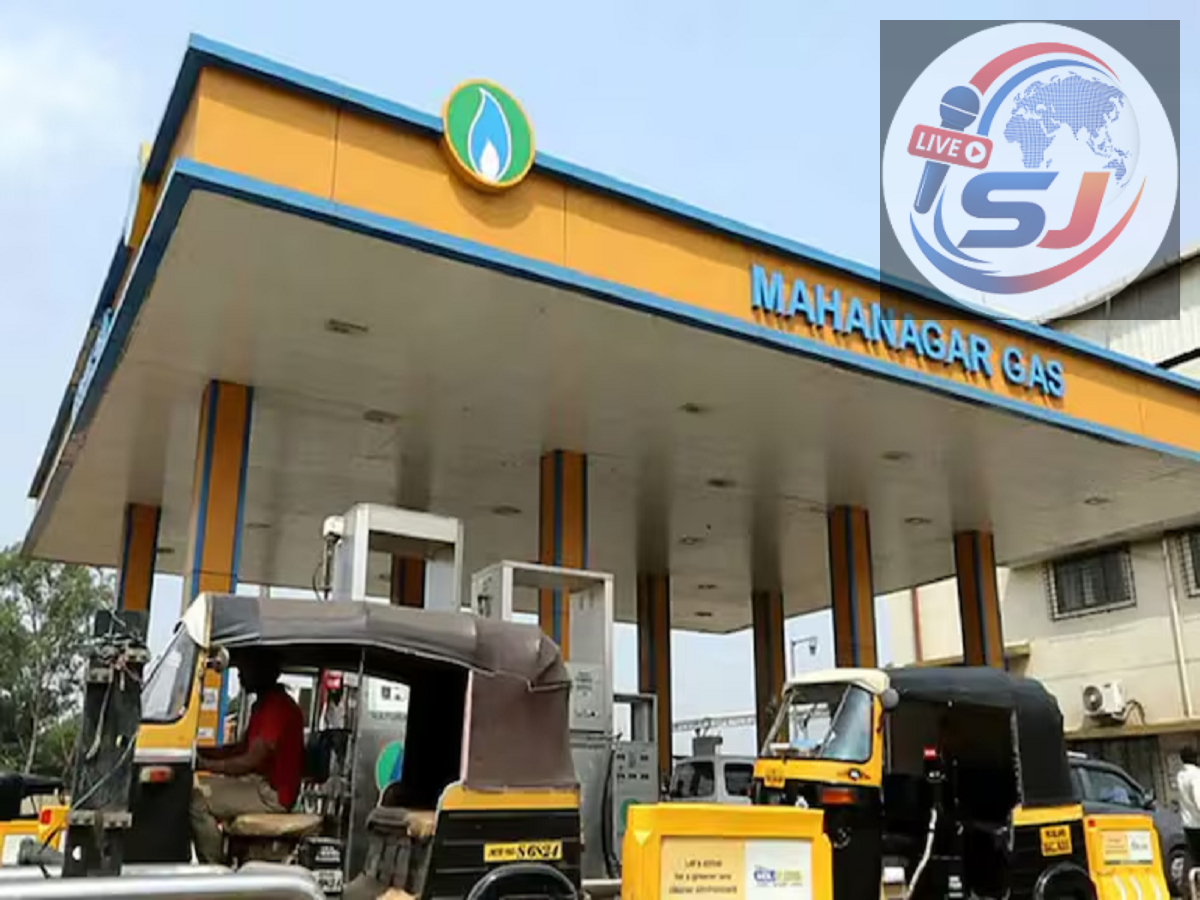
Driving a CNG vehicle and cooking with piped natural gas have become more expensive for millions of consumers after Mahanagar Gas Limited (MGL) announced an increase in CNG and domestic PNG prices.
Effective from midnight on September 1, 2026, MGL has increased the price of Compressed Natural Gas (CNG) by ₹2 per kilogram, while the price of domestic Piped Natural Gas (PNG) has been raised by ₹1 per Standard Cubic Metre (SCM).
Following the revision, CNG in Mumbai and surrounding areas is priced at ₹88 per kg.
MGL has attributed the increase to higher input gas costs amid tensions in the Middle East. The company has said that a significant portion of the gas required for its CNG business is currently being met through relatively expensive imported spot RLNG.
The price revision is significant because MGL's network serves around 13 lakh CNG vehicles and approximately 30 lakh domestic PNG customers across its operating areas.
CNG Price Increased by ₹2 Per Kg
CNG consumers will have to spend more every time they refuel their vehicles.
MGL has raised the CNG rate by ₹2 per kg, taking the revised price to ₹88 per kilogram in Mumbai and nearby areas.
The new price became applicable from midnight on September 1.
The increase will directly affect private CNG car owners as well as commercial vehicle operators using the fuel.
For example, purchasing 10 kg of CNG would now cost ₹20 more than before the revision. A vehicle consuming 100 kg of CNG over a month would face an additional fuel expense of ₹200, assuming consumption remains unchanged.
For commercial drivers who travel longer distances and refuel more frequently, the cumulative impact could be higher.
Why Has MGL Increased CNG Prices?
Mahanagar Gas has linked the latest revision to increasing input costs.
According to the company, demand for CNG remains strong, while a substantial part of the input gas required for the CNG segment is being sourced through imported spot RLNG, or Regasified Liquefied Natural Gas.
Spot RLNG is currently more expensive, putting pressure on the company's input costs.
MGL said the ₹2-per-kg increase will help partially offset these higher gas costs while enabling the company to maintain continuous and uninterrupted CNG supplies to consumers.
The company has also cited geopolitical tensions in the Middle East as a factor contributing to higher input costs.
Domestic PNG Price Increased by ₹1 Per SCM
Households using piped natural gas have also been affected by the latest revision.
MGL has increased the price of domestic PNG by ₹1 per SCM due to higher input costs.
The increase affects around 30 lakh domestic PNG consumers connected to the company's network.
Unlike an LPG cylinder, where consumers pay for a fixed quantity of gas at the time of purchase, PNG bills depend on actual consumption.
Therefore, the additional burden on individual households will depend on how much gas they consume.
For example, if a household consumes 10 SCM during a billing period, a ₹1-per-SCM increase would add approximately ₹10 to the gas cost for the same level of consumption.
Around 13 Lakh CNG Vehicles Depend on MGL Network
MGL has a large city-gas distribution network covering areas in Maharashtra as well as parts of Karnataka.
According to the report, around 13 lakh CNG vehicles depend on the company's supply network across its operating regions.
The areas mentioned include:
-
Mumbai
-
Thane
-
Raigad
-
Ratnagiri
-
Latur
-
Dharashiv
-
Chitradurga in Karnataka
-
Davanagere in Karnataka
This large customer base means even a relatively modest increase in the per-kilogram price of CNG can have a widespread impact.
CNG-PNG Price Hike at a Glance
| Fuel | Price Increase | Revised Price/Impact |
|---|---|---|
| CNG | ₹2 per kg | ₹88 per kg in Mumbai and nearby areas |
| Domestic PNG | ₹1 per SCM | Bills rise according to consumption |
| Effective date | — | September 1, 2026 |
| CNG vehicles on MGL network | — | Around 13 lakh |
| Domestic PNG consumers | — | Around 30 lakh |
IGL Has Also Increased CNG Prices
MGL is not the only city-gas distributor to raise CNG rates.
Earlier, Indraprastha Gas Limited (IGL) announced an increase of ₹3.89 per kg in CNG prices.
Following that revision, the CNG price was reported at ₹86.98 per kg in the relevant market.
IGL supplies CNG and piped gas across the National Capital Region and surrounding areas.
Like MGL, the company attributed the increase to higher input costs.
The price revisions by major city-gas distributors highlight the pressure that rising procurement costs can place on CNG prices.
Commercial LPG Cylinder Prices Also Rise From September 1
The beginning of September has brought another increase for commercial gas users.
According to the report, the price of the 19-kg commercial LPG cylinder has increased by up to ₹10.50 from September 1.
Following the revision, a 19-kg commercial LPG cylinder costs:
| City | 19-kg Commercial LPG Price |
|---|---|
| Delhi | ₹2,747.50 |
| Mumbai | ₹2,701 |
| Chennai | ₹2,916.50 |
Commercial LPG cylinders are commonly used by restaurants, hotels, dhabas and other businesses.
The report also states that the price of the 5-kg non-domestic LPG cylinder sold at market rates has increased by ₹2 to ₹764.
How Much Extra Could CNG Vehicle Owners Pay?
The ₹2-per-kg increase can be better understood through a simple calculation.
If a CNG car requires 8 kg for a refill, the additional cost would be:
8 kg × ₹2 = ₹16 extra per refill
For a 10-kg refill:
10 kg × ₹2 = ₹20 extra
If a commercial vehicle consumes 200 kg of CNG in a month, the additional monthly fuel cost could be:
200 kg × ₹2 = ₹400
The actual financial impact will therefore depend on vehicle usage and fuel consumption.
Why the CNG Hike Matters for Commercial Transport
CNG is widely used by taxis, auto-rickshaws and other commercial vehicles because it has traditionally offered a relatively economical alternative to conventional fuels in many markets.
An increase in CNG prices raises operating costs for drivers who travel long distances every day.
For an occasional private vehicle user, the monthly difference may remain relatively small. However, drivers who consume large quantities of CNG could see a more noticeable increase in expenses.
Whether higher fuel costs eventually translate into changes in passenger fares would depend on separate decisions by transport operators and authorities.
Cooking and Driving Both Become Costlier
The September 1 revisions affect two major areas of household spending at the same time.
CNG users will pay ₹2 more for every kilogram purchased, while domestic PNG customers will face an additional ₹1 per SCM on their gas consumption.
For households that use a CNG vehicle as well as piped gas for cooking, both monthly transportation and kitchen-fuel expenses could rise.
The impact may be even more significant for commercial CNG vehicle operators because of their much higher monthly fuel consumption.
MGL has said that the price increase is intended to partially compensate for higher input gas costs while maintaining reliable supplies.
For now, consumers in Mumbai and surrounding areas will have to factor in the revised ₹88-per-kg CNG price, while domestic PNG users will see the ₹1-per-SCM increase reflected according to their consumption from September 1, 2026.