August 2026 Financial Checklist: Complete These 4 Important Tasks Before the Month Ends
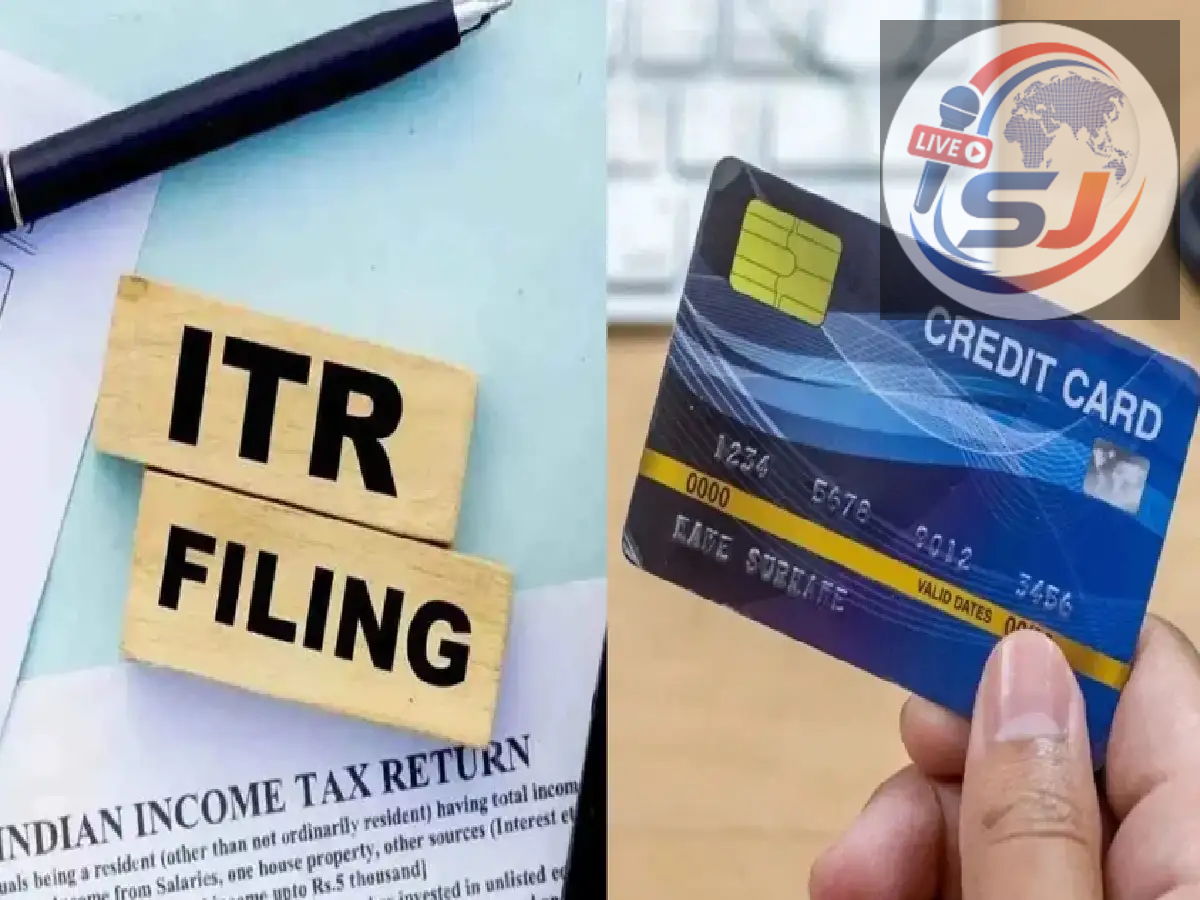
August 2026 is approaching its end, making this a useful time to review important financial and banking tasks that may still be pending. From income-tax compliance to checking credit-card terms and bank-account details, a quick review now can help prevent unnecessary complications later.
However, not every financial deadline applies to every taxpayer or customer. Income-tax filing dates, for example, depend on the taxpayer category, audit requirements and official extensions. Similarly, credit-card changes vary from one bank and card product to another.
Therefore, rather than relying on a general deadline circulating online, users should verify the date and rules applicable to them through the relevant official portal or financial institution.
Here are four areas worth checking before August ends.
1. Check Whether You Have a Pending Income Tax Return
Income tax should be the first item on your financial checklist, particularly if you earn money from multiple sources.
People increasingly earn income not only from salaries but also through freelancing, consulting, YouTube, Instagram, online businesses and other professional activities.
The important point is that August 31 should not automatically be treated as the ITR deadline for every non-audit business or professional taxpayer. Filing deadlines are determined by the Income Tax Department and can vary depending on the assessment year, taxpayer category and whether an audit or other reporting requirement applies.
Therefore, before acting on any deadline claim, check the filing date applicable to your case on the official Income Tax e-Filing portal.
If your applicable filing deadline is still pending, complete the return without waiting until the last day.
2. Review Income From Every Source
Another important task is to check whether you have accounted for all your income.
For salaried individuals, Form 16 is an important document, but it may not necessarily contain every type of income earned during the financial year.
You should also review income such as:
-
Interest earned from savings accounts, fixed deposits or other deposits
-
Rental income from property
-
Capital gains or other income from investments
-
Freelancing and consulting receipts
-
Business or professional income
-
YouTube, Instagram and other social-media earnings
-
Dividend income and other taxable receipts
This becomes especially important for people who have several income streams.
For example, a salaried employee may also earn interest from fixed deposits and receive income from freelance assignments. A content creator may receive advertising revenue, brand payments, affiliate commissions and other receipts.
These earnings should not simply be ignored because they do not form part of the person's regular salary.
Match Your Income With Available Tax Records
Before filing or revising your tax calculations, compare your records with the information available to the Income Tax Department.
Documents such as Form 26AS and the Annual Information Statement (AIS) can be useful for identifying reported financial transactions and tax-related information.
You should also check bank statements, investment statements and payment records relating to professional or business income.
If something does not match, investigate the difference instead of blindly copying the available figures into the return.
This can reduce the possibility of mistakes and subsequent tax-related queries.
3. Check Whether Your Credit Card Rules Have Changed
Credit-card issuers periodically revise their fees, rewards and transaction-related conditions.
These changes do not necessarily happen across all banks or all cards at the same time. Therefore, there is no single "August credit-card rule" applicable to every cardholder.
Instead, check communications received from your own card issuer.
Banks generally inform customers about important changes through email, SMS, mobile banking apps, statements or their official websites.
Pay particular attention if you frequently use your credit card for transactions such as rent, insurance premiums, education payments, utility bills or government-related payments.
Depending on the card, certain transactions may attract additional fees or may earn fewer or no reward points.
Check Rewards and Spending Conditions Too
Charges are not the only thing that can change.
Banks may also revise reward-point earning rates, cashback conditions, milestone benefits, lounge-access requirements or minimum spending criteria.
Suppose you keep a credit card primarily for airport lounge access. If the issuer introduces a minimum quarterly spending requirement and you are unaware of it, you may discover at the airport that the benefit is no longer available to you.
Similarly, a transaction that previously earned reward points may become excluded under revised terms.
A few minutes spent reviewing the latest terms of your cards can therefore prevent unexpected charges or lost benefits.
4. Review Your Bank Account Details
Your bank account is another area that deserves periodic attention.
Check whether the mobile number and email address registered with your bank are correct and accessible.
These details can be important for transaction alerts, OTPs, security notifications and other account-related communication.
If your bank has specifically requested updated KYC documents or other information, check the communication carefully and complete any legitimate requirement within the applicable timeframe.
Avoid responding to suspicious messages asking you to update banking information through unknown links.
For banking-related updates, use the bank's official website, mobile application, customer-care number or branch.
Review Recent Bank Transactions
While checking account information, review recent transactions as well.
Look for payments, transfers or withdrawals that you do not recognize.
Small unauthorized transactions should not be ignored simply because the amount is low. Fraudsters may sometimes attempt smaller transactions before making larger ones.
If you notice a transaction that you did not authorize, contact your bank immediately through an official channel and follow its dispute or fraud-reporting procedure.
Also consider reviewing standing instructions, subscriptions and automatic payments linked to your account or cards.
You may discover recurring payments for services that you no longer use.
Be Careful With "Deadline" Messages
Financial deadlines are frequently used in misleading social-media posts, messages and advertisements to create urgency.
Messages may claim that your bank account will be blocked, PAN will stop working, KYC will expire or a large penalty will be imposed unless you immediately click a link.
Do not act solely because a message says "last date today."
Verify the information independently through an official government portal, regulator or your bank.
For income-tax matters, use the official Income Tax portal. For banking changes, refer to communications from your bank and relevant information from the Reserve Bank of India where applicable.
A Useful End-of-Month Financial Routine
You do not need to wait for a formal deadline to review your finances.
The end of every month can be used to check bank transactions, credit-card statements, upcoming payments, investment records and tax documents.
For August 2026, taxpayers with business, professional, freelance or social-media income should pay particular attention to their tax records and verify their applicable filing requirements rather than assuming that a single deadline applies to everyone.
Credit-card holders should review any revised terms communicated by their issuer, while bank customers should make sure their registered details are current and investigate unfamiliar transactions.
A short financial review before the month ends can help identify mistakes early and reduce the chances of penalties, unexpected charges, missed payments or banking problems later.