
Solar-Powered Electric Coupe Unveiled: This Car Could Generate More Energy Than It Uses
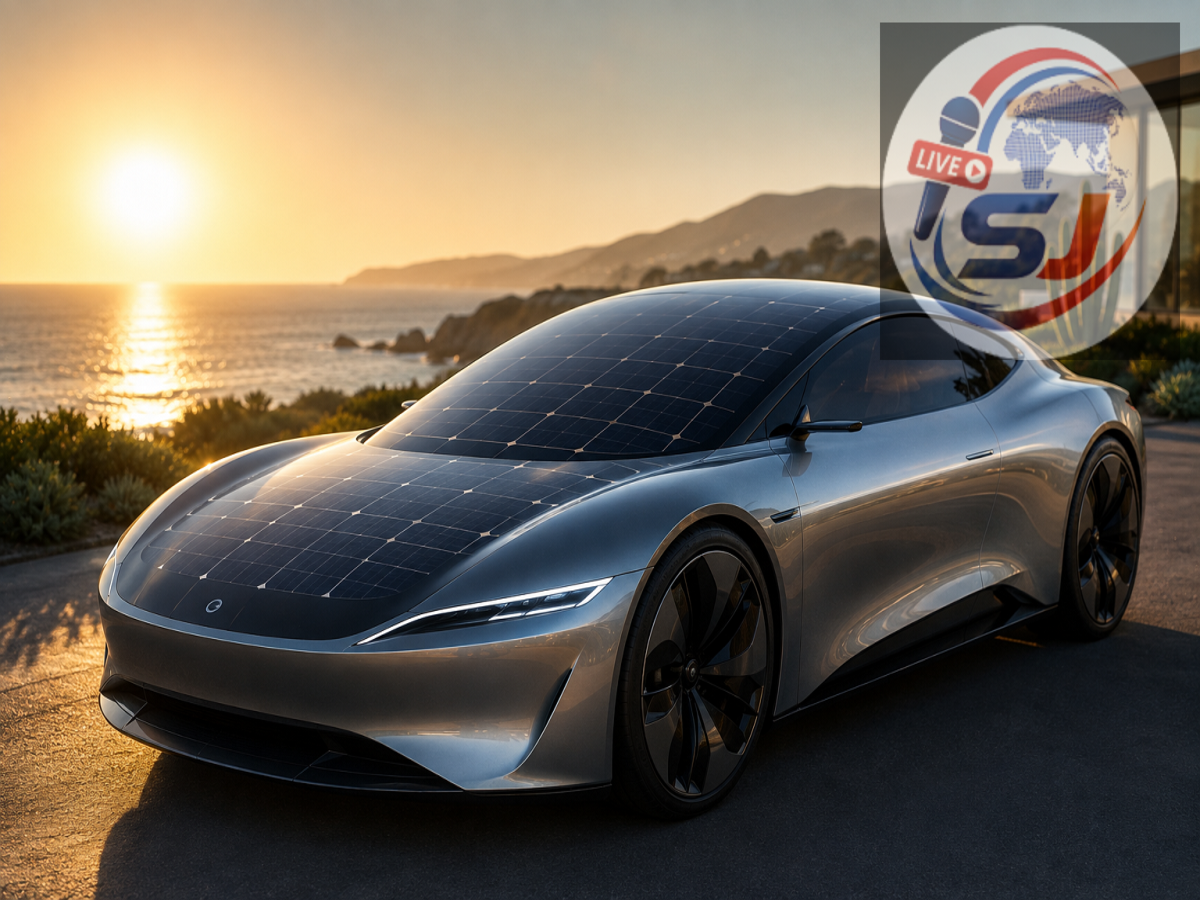
The idea of an electric car that can produce more energy than it consumes may sound futuristic, but researchers are working to turn that concept into reality. A new solar-powered electric coupe called Luminetta has attracted attention for an ambitious claim: under suitable conditions, the vehicle could generate more electricity from sunlight than it requires for driving.
Developed as part of the Deep Orange 17 project at Clemson University, the experimental vehicle combines electric mobility with integrated solar technology. The two-door coupe has been designed differently from conventional passenger cars, with a strong focus on energy efficiency, lightweight engineering and the ability to capture solar power.
Rather than depending entirely on electricity supplied through a charging point, Luminetta is intended to generate part of its own energy through solar panels incorporated into the vehicle.
Here is a closer look at the technology behind the solar-electric coupe and why the project could offer a glimpse into the future of sustainable transportation.
What Is the Deep Orange 17 Luminetta?
Luminetta is a two-door electric coupe developed under Clemson University’s Deep Orange program, which gives automotive engineering students an opportunity to work on advanced vehicle concepts.
The Deep Orange 17 project explores how solar energy, efficient electric propulsion and innovative vehicle design could be combined to create a highly energy-efficient passenger car.
Unlike a typical electric vehicle, where virtually all driving energy comes from electricity stored in the battery after external charging, Luminetta incorporates solar energy generation directly into the vehicle.
The objective is not merely to improve driving range. The broader concept is to investigate whether a passenger vehicle can become “energy positive” under favorable operating conditions.
How Can a Car Generate More Electricity Than It Consumes?
The most interesting aspect of Luminetta is the idea behind its energy-positive operation.
Solar panels integrated into the vehicle can convert sunlight into electrical energy. That electricity can then support the battery and other vehicle systems.
If the car remains exposed to adequate sunlight for extended periods and is driven relatively short distances, the solar system could theoretically collect more energy over time than the vehicle consumes while being driven.
This does not mean the car produces unlimited electricity while moving. Solar generation depends heavily on several factors, including weather, geographical location, parking conditions, season and the amount of direct sunlight reaching the panels.
Driving behavior and daily mileage would also have a major influence on whether a vehicle could achieve a net-positive energy balance.
Solar Panels Could Reduce Dependence on Charging Stations
Range and charging availability remain two major considerations for electric vehicle buyers.
Modern EVs usually need to be connected periodically to a home charger or public charging station. Solar-assisted vehicles aim to reduce some of that dependence by collecting energy whenever sufficient sunlight is available.
For example, a solar-equipped vehicle parked outdoors during the day could continue generating electricity even when it is not being driven.
The amount of usable energy generated would depend on the size and efficiency of the solar panels as well as environmental conditions.
For drivers who travel relatively short distances each day, solar generation could potentially reduce how frequently the vehicle needs to be plugged into an external charger.
Why Aerodynamics and Weight Matter
Simply installing solar panels on a conventional electric car would not automatically make it highly energy efficient.
For a solar-powered vehicle to make effective use of the relatively limited surface area available for photovoltaic panels, overall energy consumption must be kept as low as possible.
That makes aerodynamic efficiency particularly important. A vehicle that encounters less air resistance generally requires less energy to maintain speed.
Weight is another major factor. Reducing unnecessary mass can lower the amount of electricity required for acceleration and everyday driving.
The two-door coupe format of Luminetta also gives the project a distinctive appearance while allowing researchers to explore a design centered on efficiency rather than simply adapting an existing production vehicle.
BMW Connection to the Deep Orange Project
The Deep Orange automotive engineering program at Clemson University has a history of working with industry partners, including major automotive companies. The Deep Orange 17 project has also drawn attention because of its connection with BMW.
Industry-academic collaborations can allow students and researchers to experiment with technologies that may not yet be ready for mass-market vehicles.
Projects such as Luminetta can therefore serve as testing platforms for concepts involving solar integration, battery management, lightweight materials, aerodynamics and next-generation vehicle architecture.
However, an experimental vehicle should not automatically be interpreted as a confirmed future production model.
Could Solar Cars Eliminate Plug-In Charging?
Not necessarily.
The roof and body of a passenger car provide limited surface area for solar panels. Even highly efficient photovoltaic technology can generate only a certain amount of electricity from that available space.
An electric vehicle driven for long distances every day would likely consume considerably more energy than its integrated solar panels could replace.
Solar-assisted cars could therefore be more practical as a way of supplementing external charging rather than completely replacing it.
The technology may be particularly useful for vehicles that spend many daylight hours outdoors and cover modest daily distances.
Weather Will Make a Big Difference
A solar vehicle's performance naturally depends on sunlight.
A car operating in a sunny region and regularly parked outdoors could collect substantially more solar energy than the same vehicle used in an area with frequent cloud cover or kept inside a covered garage.
Dust, shade and the orientation of the vehicle could also influence solar output.
This means claims about energy-positive driving need to be understood in the context of specific test conditions rather than as a guarantee that the vehicle will always produce more electricity than it consumes.
Is Luminetta Coming to Showrooms?
Luminetta is primarily an engineering and research project rather than a conventional mass-market vehicle currently being offered to customers.
Its significance lies in demonstrating what may become technically possible as solar cells, batteries, electric motors and lightweight vehicle construction continue to improve.
Even if future cars cannot operate entirely on sunlight, integrated solar technology could potentially provide useful additional range, maintain battery charge while parked and reduce dependence on the electricity grid.
Could Solar Energy Become the Next Big EV Technology?
Electric mobility has evolved rapidly over the past decade, but charging infrastructure and energy efficiency remain important challenges. Solar integration represents one possible direction for addressing them.
The Deep Orange 17 Luminetta demonstrates a particularly ambitious version of that idea: designing an electric vehicle capable of harvesting enough solar energy under appropriate conditions to potentially offset—and possibly exceed—its driving energy consumption.
Whether such technology becomes commercially viable on a large scale will depend on manufacturing costs, solar-cell efficiency, battery technology and real-world performance.
For now, Luminetta offers an intriguing look at a future where electric cars may not simply consume electricity—they could also become mobile energy-generating platforms.