
Vijaya Dashami 2026: Why Is Aparajita Puja Performed on Dussehra? Know Auspicious Time, Rituals and Mantras
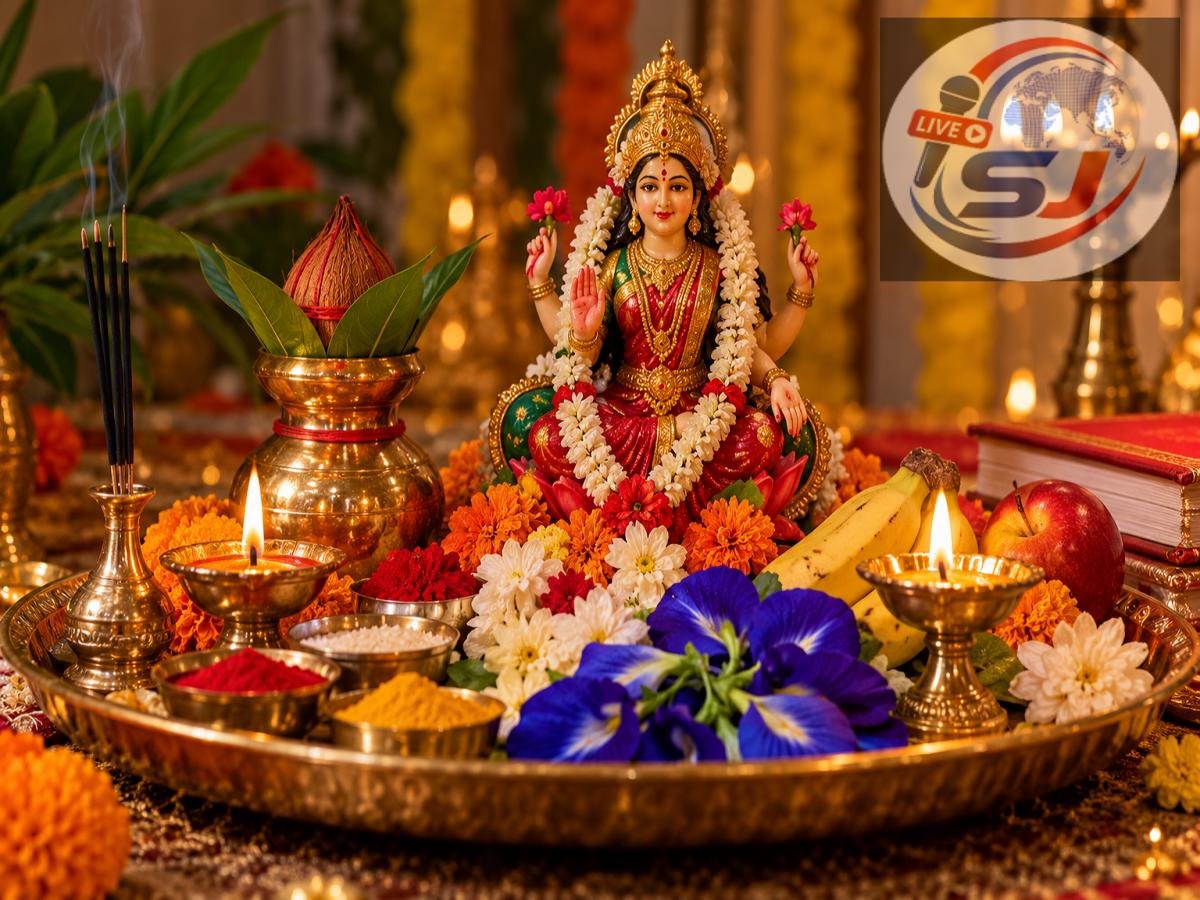
Vijaya Dashami 2026 Aparajita Puja: Dussehra, also known as Vijayadashami, is one of the most significant Hindu festivals, celebrating the victory of righteousness over evil. In 2026, Vijayadashami is being observed on Tuesday, October 20. While the festival is widely associated with the burning of Ravana's effigy and the triumph of Lord Rama, another important religious tradition observed on this occasion is Aparajita Puja.
According to Hindu beliefs, worshipping Goddess Aparajita on Vijayadashami is considered auspicious for overcoming difficulties, achieving success and bringing peace and prosperity into one's life. Goddess Aparajita is regarded as a powerful manifestation of Goddess Durga, representing courage, protection and invincibility.
Devotees traditionally perform Aparajita Puja during the afternoon period, known as Aparahna Kaal. The worship involves offering flowers, lighting lamps, chanting sacred mantras and seeking the goddess's blessings for success in future endeavours.
Here is everything you need to know about Aparajita Puja on Vijayadashami 2026, including its religious significance, auspicious timing, required offerings, worship procedure and traditional mantras.
Vijaya Dashami 2026: Why Is Aparajita Puja Considered Important?
Vijayadashami falls on the tenth day of the Shukla Paksha in the Hindu lunar month of Ashwin. The festival marks the conclusion of the nine-day Navratri celebrations in many traditions.
The occasion symbolises the victory of good over evil and is associated with Lord Rama's victory over Ravana as well as Goddess Durga's triumph over Mahishasura.
Along with these celebrations, devotees worship Goddess Aparajita to seek divine blessings before beginning important activities.
The Sanskrit word Aparajita means "one who cannot be defeated."
In Hindu religious traditions, Goddess Aparajita represents strength, determination and the ability to overcome obstacles.
Devotees believe that worshipping her with devotion on Vijayadashami helps develop courage, confidence and spiritual strength.
The ritual is also associated with prayers for professional progress, family well-being and success in important undertakings.
These benefits are matters of religious faith and tradition rather than scientifically established outcomes.
Aparajita Puja 2026: Date and Auspicious Muhurat
According to the Panchang timings provided in the source article, Aparajita Puja will be performed on Tuesday, October 20, 2026.
The afternoon period is traditionally considered favourable for worshipping Goddess Aparajita.
Here are the reported important timings:
| Particulars |
Date and Time |
|---|---|
| Vijayadashami Date |
Tuesday, October 20, 2026 |
| Dashami Tithi Begins |
October 20, 2026, at 12:50 PM |
| Dashami Tithi Ends |
October 21, 2026, at 2:11 PM |
| Vijaya Muhurat |
1:28 PM to 2:14 PM |
| Preferred Aparajita Puja Period |
Aparahna Kaal (Afternoon) |
Note: These timings are taken from the supplied article and have not been independently verified. Muhurat timings may vary by location and Panchang tradition. The Vijaya Muhurat is not necessarily identical to the complete Aparajita Puja Muhurat.
Who Is Goddess Aparajita and Why Is She Worshipped?
Goddess Aparajita is revered as a manifestation of Goddess Durga and is associated with divine protection and victory.
Her name reflects the spiritual concept of remaining undefeated in the face of difficulties.
In traditional Hindu worship, the goddess is invoked for strength, wisdom and the ability to overcome negative influences.
Vijayadashami is considered a particularly meaningful occasion for her worship because the festival itself celebrates the triumph of righteousness.
Devotees may perform Aparajita Puja before beginning new ventures, taking important decisions or seeking blessings for personal and professional goals.
The ritual also encourages spiritual reflection and gratitude following the completion of Navratri.
Aparajita Puja Vidhi 2026: Step-by-Step Worship Procedure
The traditional Aparajita Puja can be performed at home with devotion and simple worship materials.
Specific customs may differ between families, temples and regional traditions.
Step 1: Clean and Prepare the Worship Area
Begin by cleaning the place where the puja will be performed.
Take a bath and wear clean clothes before arranging the worship materials.
Choose a peaceful and clean location where you can perform the ritual without disturbance.
Step 2: Draw an Eight-Petalled Lotus
Using sandalwood paste, roli or another traditional worship material, draw an eight-petalled lotus design, known as Ashtadal Kamal, on a clean surface.
The eight-petalled lotus is used in several Hindu worship traditions as a sacred symbol.
Step 3: Invoke Goddess Aparajita
Sit near the prepared worship area and meditate on Goddess Aparajita.
Offer prayers while remembering her as a form of divine strength and protection.
Devotees may chant the goddess's invocation mantra during this stage.
Step 4: Offer Flowers and Puja Materials
Present traditional offerings such as fresh flowers, akshat (unbroken rice), sandalwood paste, incense, fruits and naivedya.
Light a diya and offer prayers according to your family customs.
Step 5: Chant the Sacred Mantras
Recite the Aparajita mantra with concentration and devotion.
Devotees may also chant traditional verses praising the goddess and seeking her blessings.
Step 6: Pray for Success and Family Well-Being
After completing the offerings, pray for peace, good health, prosperity and the strength to face life's challenges.
Many devotees also seek blessings before beginning new work or important activities.
Step 7: Conclude the Worship
Complete the puja by bowing before the goddess and offering a final prayer.
Distribute prasad among family members and conclude the ceremony respectfully.
Aparajita Puja 2026: Essential Worship Materials
The following items are commonly used for performing Aparajita Puja:
-
Fresh flowers and flower garlands
-
Roli or kumkum
-
Sandalwood paste
-
Akshat (unbroken rice)
-
Incense sticks
-
A diya with ghee or oil
-
Fruits and sweets
-
A clean worship plate
-
Water for ritual offerings
-
Materials for drawing the Ashtadal lotus
The exact list may differ according to regional and family customs. Elaborate arrangements are not essential for those performing a simple devotional puja.
Aparajita Puja Mantra: Sacred Chant for Goddess Aparajita
One of the simplest mantras traditionally associated with Goddess Aparajita is:
ॐ अपराजितायै नमः।
Om Aparajitayai Namah.
Meaning: Salutations to Goddess Aparajita, the divine form associated with victory and invincibility.
Devotees chant this mantra while offering flowers or praying to the goddess.
Traditional Aparajita Prayer Mantra
इमां पूजां मया देवि यथाशक्ति निवेदिताम्।
रक्षार्थं तु समादाय व्रजस्व स्थानमुत्तमम्॥
Imaam Poojaam Mayaa Devi Yathaashakti Niveditaam.
Rakshaartham Tu Samaadaaya Vrajasva Sthaanamuttamam.
Meaning: O Divine Mother, I have offered this worship according to my ability and devotion. Kindly accept my prayers, protect me and return to your divine abode.
Aparajita Victory Prayer
हारेण तु विचित्रेण भास्वत्कनकमेखला।
अपराजिता भद्ररता करोतु विजयं मम॥
Haarena Tu Vichitrena Bhaasvatkanakamekhalaa.
Aparaajitaa Bhadrarataa Karotu Vijayam Mama.
Meaning: May Goddess Aparajita, adorned with beautiful ornaments and a radiant golden waistband, bless me with victory, well-being and success.
The wording and pronunciation of traditional verses may vary slightly across religious texts and regional practices.
Why Is Aparahna Kaal Preferred for Aparajita Puja?
Aparahna Kaal refers to a portion of the afternoon, generally after midday and before sunset.
Traditional religious practices associate this period with certain Vijayadashami rituals, including Aparajita Puja.
The observance is connected with the symbolism of victory and the completion of auspicious religious activities.
However, the precise timing of Aparahna Kaal is calculated according to the local sunrise and sunset.
For this reason, devotees should consult a location-specific Panchang when selecting the appropriate time for worship.
Other Important Rituals Performed on Vijayadashami
Apart from Aparajita Puja, several religious and cultural traditions are associated with Dussehra.
Shastra Puja: In many communities, weapons, tools and professional instruments are worshipped as symbols of duty, strength and protection.
Ravana Dahan: Effigies of Ravana are burned in many parts of India to commemorate Lord Rama's victory and symbolise the defeat of evil.
Shami Puja: The Shami tree is worshipped in certain regional traditions, particularly those associated with the Mahabharata.
Durga Visarjan: In communities celebrating Durga Puja, devotees bid farewell to Goddess Durga through traditional immersion ceremonies.
The manner and timing of these observances vary across regions.
Vijaya Dashami 2026: Spiritual Significance of Aparajita Worship
Aparajita Puja is more than a ceremonial practice for many devotees. It represents faith in the ability to overcome difficulties and remain committed to righteousness.
The worship encourages people to approach life's challenges with determination, patience and confidence.
On Vijayadashami, devotees remember the symbolic victory of good over evil and seek blessings for positive beginnings.
The ritual also provides an opportunity for families to come together, offer prayers and continue religious traditions passed down through generations.
Aparajita Puja 2026: Final Details
Vijayadashami 2026 is being observed on October 20, and Aparajita Puja remains an important part of the festival for many Hindu families.
According to the supplied Panchang details, the Vijaya Muhurat falls between 1:28 PM and 2:14 PM, while the Dashami Tithi continues until the afternoon of October 21.
Devotees traditionally worship Goddess Aparajita during Aparahna Kaal by offering flowers, lighting lamps and chanting sacred mantras.
The central purpose of Aparajita Puja is to seek Goddess Durga's blessings for courage, protection, prosperity and success while celebrating the victory of righteousness over evil.