
Vastu Tips for Kitchen: Why Counting Rotis Is Considered Inauspicious and What Tradition Says
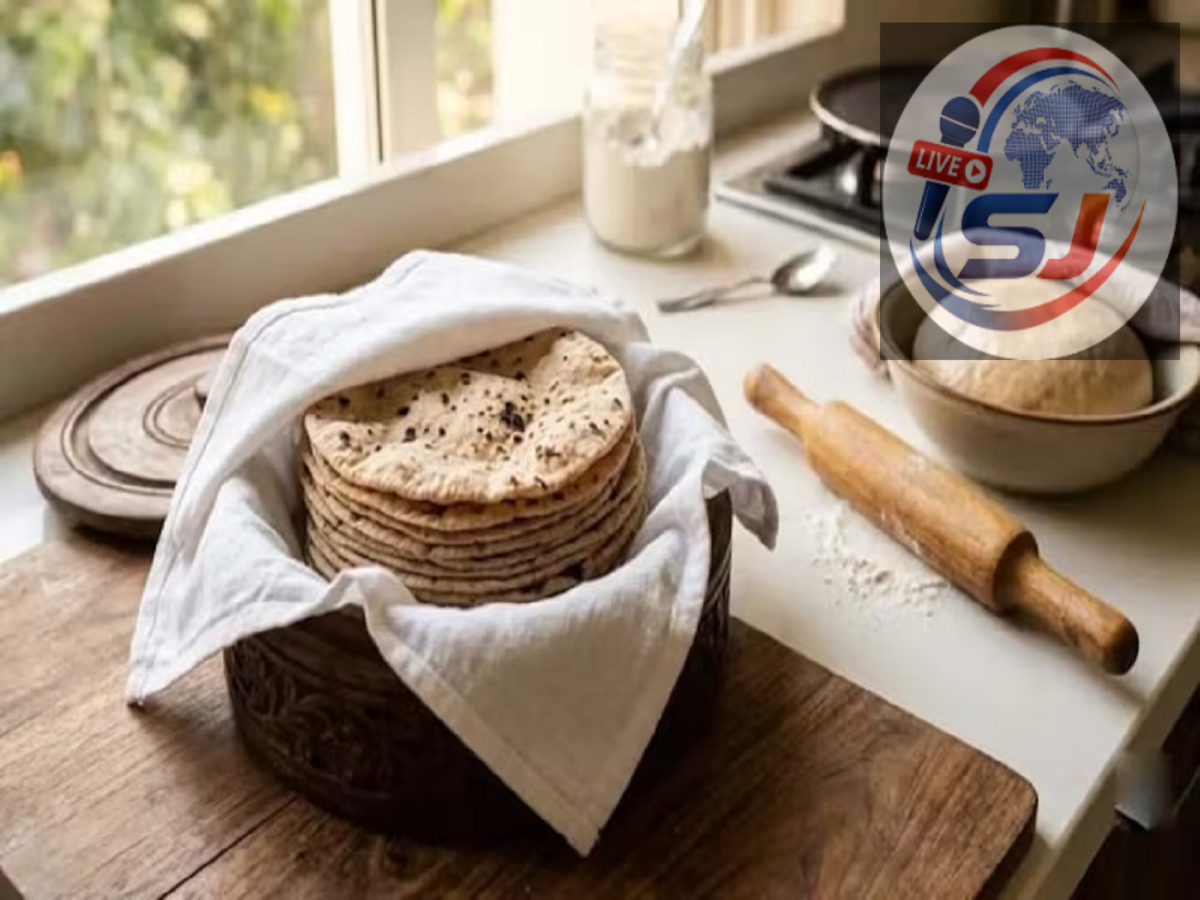
Kitchen Vastu Tips: The kitchen holds a special place in Indian households, and traditional beliefs connect the way food is prepared and served with prosperity and positive energy. One such belief advises against counting rotis while cooking. From respecting food to keeping aside rotis for animals, here are some traditional kitchen practices associated with abundance and well-being.
Roti is a staple food in millions of Indian homes. Many families naturally estimate how many rotis are needed for a meal to avoid wasting flour and food. However, according to certain Vastu principles and Hindu religious traditions, deliberately counting every roti while preparing or serving a meal is considered inauspicious.
These beliefs are rooted in the idea that food should be treated with gratitude rather than viewed purely in terms of numbers. Traditional practices also suggest preparing a little extra food so that it can be offered to a guest, someone in need or an animal.
It is important to remember that these are cultural, religious and astrological beliefs rather than scientifically established rules. Following them is entirely a matter of individual faith.
Why Do Traditional Beliefs Discourage Counting Rotis?
In Sanatan traditions, Anna, or food, is regarded with great respect and is often associated with the blessings of Goddess Annapurna. Food is therefore seen not simply as something consumed to satisfy hunger but as an essential source of life and nourishment.
According to traditional belief, repeatedly counting rotis while making or serving them can symbolically represent placing limits on food and abundance.
Some religious interpretations suggest that such a habit may not be considered favourable for receiving the blessings associated with Goddess Annapurna and Goddess Lakshmi. This is why many traditional households emphasise gratitude and respect while preparing and serving meals.
Can Kitchen Habits Affect Prosperity According to Vastu?
Vastu Shastra traditionally gives considerable importance to the kitchen because it is the place where food for the entire family is prepared.
According to these beliefs, the atmosphere and habits maintained in the kitchen can influence the overall energy of a household.
Keeping an excessively strict count of food is sometimes associated with restricting abundance. Traditional Vastu beliefs therefore suggest preparing enough food for the family while leaving room for a small amount extra.
This practice is also connected with the Indian tradition of hospitality, where unexpected guests should ideally be offered food rather than turned away because nothing is available.
Wheat and Its Traditional Connection With the Sun
Astrological traditions associate different foods and grains with planets, and wheat is commonly linked with Surya, or the Sun.
Some astrological beliefs suggest that being overly restrictive or calculating with wheat-based food may weaken the positive symbolism associated with the Sun.
The Sun traditionally represents vitality, confidence, authority and stability. Consequently, certain beliefs associate disrespect toward food with increased tension or disagreements within a household.
However, there is no scientific evidence establishing that counting rotis has any effect on planetary influences, finances or family relationships.
Why Is the First Roti Traditionally Kept Aside for a Cow?
Another widely followed practice in many Indian households involves setting aside the first roti before preparing food for family members.
According to Hindu tradition, the first roti is offered to a cow. Feeding a cow is regarded as an act of compassion and religious merit in several Hindu traditions.
The practice also reinforces a broader cultural idea: food should be shared with other living beings rather than being reserved entirely for personal consumption.
What Should Be Done With the Last Roti?
Just as the first roti is traditionally associated with feeding a cow, some customs recommend keeping the last roti aside for another animal or bird.
It may be given to a dog, birds or another suitable animal. Such acts are traditionally associated with compassion, charity and positive energy.
Beyond religious interpretations, the underlying principle encourages people to share available food responsibly with other living beings.
Any food offered to animals should, of course, be appropriate and safe for the particular animal.
Cleanliness and a Calm Kitchen Are Considered Important
Traditional Vastu practices also place emphasis on the environment in which meals are prepared.
Keeping the cooking area clean, maintaining hygiene and preparing meals with a calm mindset are considered favourable practices. Some traditions also recommend sprinkling a few drops of water or milk on a heated tawa before beginning to make rotis, although this is purely a customary practice.
Irrespective of Vastu beliefs, maintaining good kitchen hygiene and handling food safely are practical habits that contribute to a healthier household.
How Much Flour Should You Knead?
Instead of calculating flour according to an exact number of rotis, traditional advice suggests estimating the amount based on the family's usual requirements.
Some customs recommend keeping enough dough for two or three additional rotis. The extra food can then be used if an unexpected guest arrives or, where appropriate, can be shared with someone in need or with animals.
At the same time, avoiding food waste remains important. Preparing excessive quantities simply to follow a belief can defeat the practical purpose of respecting food.
Should Kneaded Dough Be Stored in the Refrigerator?
Certain Vastu beliefs discourage keeping kneaded dough in the refrigerator for an extended period. According to traditional interpretations, stale dough may be associated with undesirable or negative energy.
From a practical food-safety perspective, freshly prepared food is generally preferred, while any dough that is stored should be handled hygienically and kept under suitable refrigeration conditions.
A sensible approach is to prepare an amount close to the household's actual requirement, store leftovers safely when necessary and avoid unnecessary food waste.
Tradition Focuses on Respecting and Sharing Food
The broader message behind these kitchen customs is less about the mathematical act of counting and more about cultivating respect for food.
Preparing meals with gratitude, avoiding waste, maintaining cleanliness and sharing food with others are values deeply embedded in many Indian traditions.
Whether someone chooses to avoid counting rotis, offer the first roti to a cow or follow other kitchen Vastu practices ultimately depends on personal faith and family customs. These traditions should not be treated as guaranteed methods for increasing wealth or solving financial problems.
Disclaimer: The information in this article is based on Vastu Shastra, astrology, religious customs and traditional beliefs. There is no scientific evidence that counting rotis or following these practices directly affects wealth, prosperity or household finances. Readers may follow such customs according to their personal beliefs.