
Vastu Tips for Bathroom: Avoid These Common Mistakes, Know Why You Shouldn’t Leave the Bucket Empty
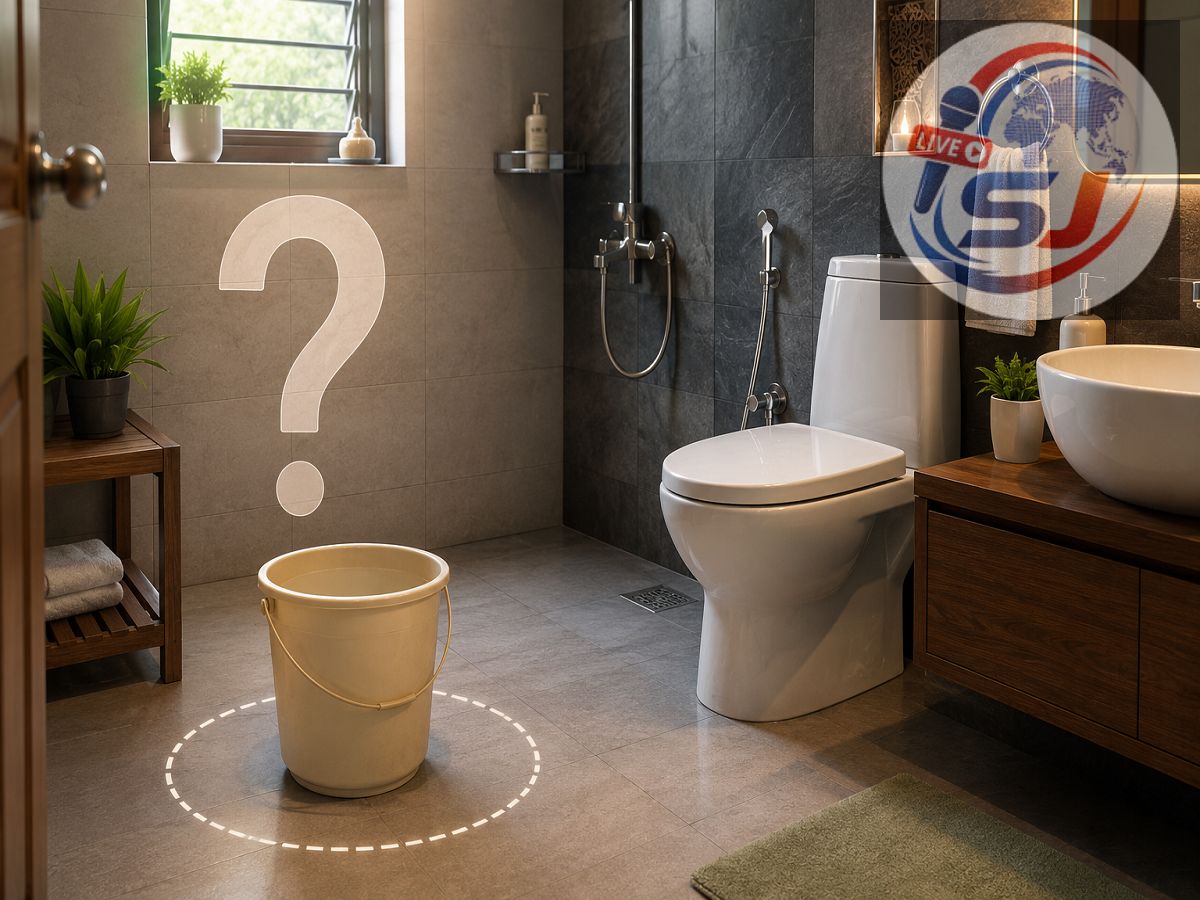
The bathroom is one of the most frequently used spaces in any home, but its arrangement and cleanliness are often overlooked. According to traditional Vastu Shastra beliefs, certain bathroom habits may influence the overall energy and atmosphere of the house. From leaving an empty bucket to allowing leaking taps or wet clothes to remain inside, several everyday practices are considered undesirable in Vastu.
One commonly discussed belief is that a bucket should not be left completely empty in the bathroom. While such recommendations are based on traditional Vastu principles rather than scientific evidence, many people follow them as part of their household practices.
Here are some important bathroom Vastu tips and the practical reasons behind several of them.
Why Should You Avoid Leaving an Empty Bucket?
According to Vastu beliefs, leaving a bucket completely empty in the bathroom is considered inauspicious. It is traditionally associated with a sense of scarcity or lack.
Those who follow Vastu are often advised to keep some clean water in the bucket instead of leaving it completely empty after use. Water is regarded as an important element in Vastu and is commonly associated with flow and balance.
However, there is no scientific evidence that an empty bathroom bucket can affect wealth, luck or financial conditions. It should therefore be understood as a traditional belief rather than a proven fact.
Does the Colour of the Bucket Matter?
Colours also have significance in traditional Vastu practices. Light and calming shades are generally preferred for bathrooms because they are believed to create a more balanced atmosphere.
Blue is particularly associated with the water element, which is why blue buckets, mugs or other bathroom accessories are sometimes recommended.
From a practical design perspective, lighter shades can also make a small bathroom appear brighter and more spacious.
Do Not Ignore a Leaking Tap
A dripping tap may appear to be a minor problem, but Vastu beliefs often associate continuously leaking water with the unnecessary loss of resources and money.
There is also a strong practical reason to repair leaking taps quickly. Even a small leak can waste a significant amount of water over time and may contribute to excessive moisture in the bathroom.
If a tap, shower or flush system is leaking, getting it repaired promptly can save water and prevent further maintenance problems.
Avoid Keeping Wet Clothes in the Bathroom
Many people leave wet clothes hanging or lying inside the bathroom for several hours. According to Vastu traditions, keeping dirty or wet clothes in the bathroom for long periods is considered undesirable.
There is also a hygiene-related reason to avoid this habit. Bathrooms usually have high humidity, and leaving wet clothes in a poorly ventilated space may encourage unpleasant odours and mould.
Whenever possible, wet clothes should be moved to a properly ventilated area for drying.
Keep the Bathroom Clean and Clutter-Free
Cleanliness is given considerable importance in Vastu Shastra. Broken containers, empty shampoo bottles, unused toiletries and unnecessary items should not be allowed to accumulate in the bathroom.
Regular cleaning is equally important from a hygiene perspective. The floor should be kept as dry as possible, while drains and corners should be cleaned regularly.
Good ventilation can also help reduce moisture and keep the bathroom fresher.
Replace Broken Mirrors
If the bathroom mirror is badly cracked or broken, traditional Vastu recommendations suggest replacing it instead of continuing to use it.
Regardless of Vastu beliefs, a damaged mirror can pose a genuine safety risk. Cracks can worsen over time, so replacing a damaged mirror is generally a sensible precaution.
Keep the Bathroom Door Closed When Not in Use
Some Vastu traditions recommend keeping the bathroom door closed, particularly when it is attached to a bedroom or located close to a major living area.
This habit can have practical benefits as well. Keeping the door closed may help prevent excess moisture and unpleasant smells from spreading into other parts of the house.
However, adequate ventilation inside the bathroom should still be maintained.
Proper Light and Ventilation Are Important
A dark and constantly damp bathroom is generally considered undesirable under Vastu principles. Natural light and fresh air are preferred wherever possible.
If the bathroom does not have a suitable window, an exhaust fan can help remove excess humidity. Proper lighting can also make the space more comfortable and easier to keep clean.
Avoid Unnecessary Water Wastage
Water has special importance in traditional Vastu beliefs, and unnecessary wastage is generally discouraged. Leaving taps running or ignoring plumbing leaks should therefore be avoided.
This is one Vastu-related recommendation that also has an obvious environmental benefit. Conserving water can reduce household wastage and may also lower utility costs where water usage is metered.
Should You Really Follow These Bathroom Vastu Rules?
Following Vastu is ultimately a matter of personal belief. Practices such as keeping some water in a bucket or choosing particular colours are rooted in tradition and should not be treated as scientifically established facts.
At the same time, several commonly recommended bathroom habits—keeping the space clean, repairing leaking taps, removing wet clothes, maintaining ventilation and avoiding clutter—have clear practical benefits.
So, whether or not you follow Vastu Shastra, maintaining a clean, dry and well-organised bathroom can make your home more comfortable and hygienic.