
Tulsi Vivah 2026 Date Confirmed: November 20 or 21? Check Puja Muhurat, Rituals and Essential Items
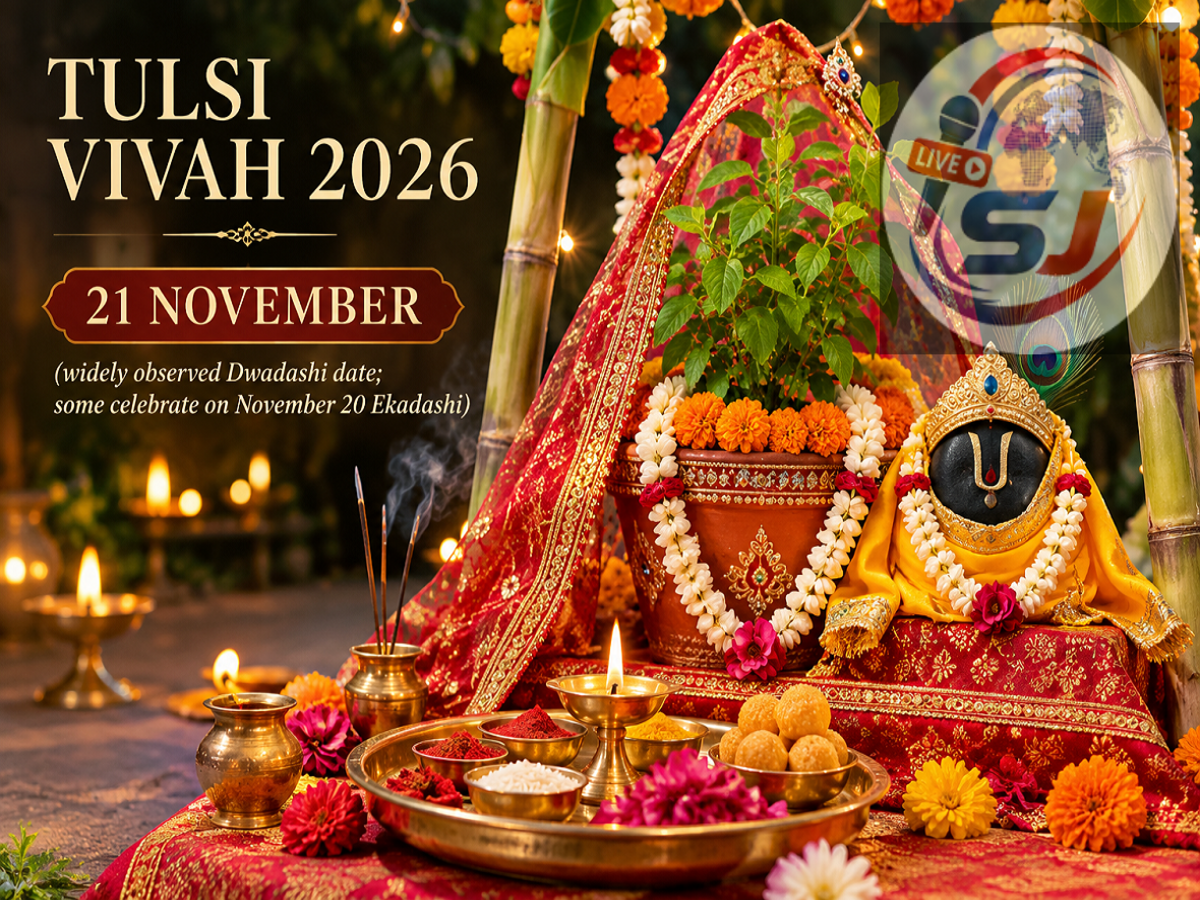
Tulsi Vivah 2026 Date and Shubh Muhurat: Tulsi Vivah is one of the most significant religious celebrations observed during the Hindu month of Kartik. The festival symbolises the sacred marriage of Goddess Tulsi and Lord Vishnu, worshipped in the form of Shaligram. Every year, devotees celebrate the occasion with traditional wedding rituals, prayers and offerings.
However, there has been some confusion regarding the Tulsi Vivah date in 2026, as Dev Uthani Ekadashi falls on November 20, while Dwadashi Tithi begins on November 21. According to the Hindu Panchang cited by Aaj Tak, Tulsi Vivah will be celebrated on Saturday, November 21, 2026. Devotees can perform the wedding ceremony during the auspicious evening period.
Tulsi Vivah 2026: Exact Date and Dwadashi Tithi Timings
Tulsi Vivah is traditionally performed on the Dwadashi Tithi of Shukla Paksha in Kartik month. Although some communities conduct Tulsi wedding rituals on Dev Uthani Ekadashi, the Dwadashi observance is widely followed.
In 2026, Dev Uthani Ekadashi will be observed on Friday, November 20, while Tulsi Vivah will take place the following day.
Here are the important dates and timings:
| Event |
Date and Time |
|---|---|
| Dev Uthani Ekadashi |
Friday, November 20, 2026 |
| Tulsi Vivah |
Saturday, November 21, 2026 |
| Dwadashi Tithi Begins |
November 21 at 6:31 AM |
| Dwadashi Tithi Ends |
November 22 at 4:56 AM |
| Godhuli Muhurat |
5:25 PM to 5:52 PM on November 21 |
The date is determined according to Udaya Tithi, which considers the lunar date prevailing around sunrise.
Tulsi Vivah 2026 Shubh Muhurat: Best Time for Puja
The evening is traditionally considered favourable for performing Tulsi Vivah. According to the Panchang timings reported by Aaj Tak, the Godhuli Muhurat on November 21 will begin at 5:25 PM and continue until 5:52 PM.
During this period, devotees can worship Goddess Tulsi and Lord Shaligram and perform the symbolic wedding ceremony.
Godhuli Muhurat is associated with the period around sunset and is considered auspicious for certain religious ceremonies in Hindu traditions.
Families planning an elaborate ceremony should check their local Panchang, as auspicious timings can vary depending on geographical location.
Tulsi Vivah Puja Vidhi: How to Perform the Wedding Ceremony at Home
Tulsi Vivah is celebrated with rituals resembling a traditional Hindu wedding. Families decorate the Tulsi plant, prepare a ceremonial mandap and worship Lord Shaligram.
Devotees can follow these commonly observed steps:
1. Clean the worship area: Begin by cleaning the house and the space where the Tulsi plant is kept. Prepare the area for the evening ceremony.
2. Decorate Goddess Tulsi: Dress the Tulsi plant with a red saree or chunri. Flowers, bangles and traditional bridal accessories may also be used.
3. Prepare the wedding mandap: Arrange sugarcane stalks around the Tulsi plant to create a small ceremonial canopy.
4. Place Lord Shaligram: Position the sacred Shaligram stone near the Tulsi plant and decorate it with yellow cloth and flowers.
5. Offer puja materials: Worship the deities with roli, turmeric, sandalwood paste, flowers, fruits and other traditional offerings.
6. Perform the wedding rituals: Conduct the symbolic marriage according to family customs. Devotees may recite prayers and sing traditional wedding songs.
7. Complete the aarti: Offer prayers to Goddess Tulsi and Lord Vishnu, followed by aarti.
8. Distribute prasad: Conclude the ceremony by sharing sweets and other offerings with family members and devotees.
Ritual practices may differ between regions and family traditions.
Tulsi Vivah 2026 Puja Samagri: Complete List of Required Items
Preparing the worship materials in advance can help families conduct the ceremony smoothly.
The commonly used items include:
-
A healthy Tulsi plant and a Shaligram stone
-
Red chunri or saree and yellow cloth
-
Sugarcane stalks for the mandap
-
Roli, turmeric and sandalwood paste
-
Flowers and garlands
-
Fruits, sweets and traditional prasad
-
Incense sticks, oil or ghee lamp
-
Bangles and other bridal accessories
-
Coconut, betel leaves and betel nuts
-
Akshat (unbroken rice), where permitted by the family's worship tradition
Devotees should follow their customary practices when making offerings to Lord Shaligram.
Why Is Tulsi Vivah Celebrated? Religious Significance Explained
Tulsi Vivah holds a special place in Hindu religious traditions because it represents the divine union of Goddess Tulsi and Lord Vishnu.
According to religious beliefs, performing Tulsi Vivah with devotion brings blessings of peace, prosperity and happiness to the household.
The ceremony is also associated with marital harmony. Married couples pray for a happy family life, while unmarried devotees may seek blessings for a suitable life partner.
In many Hindu households, Tulsi is regarded as a sacred plant and is worshipped regularly. The Tulsi Vivah ceremony therefore represents both devotion to Lord Vishnu and respect for the religious importance of the plant.
These spiritual benefits are matters of religious faith rather than scientifically established outcomes.
Connection Between Dev Uthani Ekadashi and Tulsi Vivah
Dev Uthani Ekadashi marks the traditional awakening of Lord Vishnu after the four-month period known as Chaturmas.
According to Hindu beliefs, Lord Vishnu enters a state of divine rest during this period, and many communities avoid organising certain auspicious ceremonies.
With Dev Uthani Ekadashi, the period associated with these restrictions comes to an end, and traditional wedding celebrations and other ceremonies resume.
Tulsi Vivah is closely connected with this transition and is often regarded as the symbolic beginning of the Hindu wedding season.
In 2026, Dev Uthani Ekadashi falls on November 20, followed by Tulsi Vivah on November 21. Some communities may observe the ceremonial marriage on Ekadashi itself, depending on regional customs.
Tulsi Vivah 2026: Important Things Devotees Should Remember
Families preparing for Tulsi Vivah should keep the Dwadashi date and evening Muhurat in mind. The festival can be celebrated at home or in temples, depending on individual preferences and family traditions.
There is no requirement for an elaborate celebration. Many devotees perform a simple ceremony using flowers, lamps, prayers and offerings.
The central purpose of the observance is devotion to Goddess Tulsi and Lord Vishnu.
In conclusion, Tulsi Vivah will be observed on Saturday, November 21, 2026, according to the Panchang details cited in the original report. The Dwadashi Tithi begins at 6:31 AM on November 21, and the reported Godhuli Muhurat is from 5:25 PM to 5:52 PM. Devotees can make their preparations accordingly while confirming the precise local timings before performing the ceremony.