
Solar Eclipse 2026 Tonight: Check Exact Timing, India Visibility, Sutak Kaal and Where It Can Be Seen
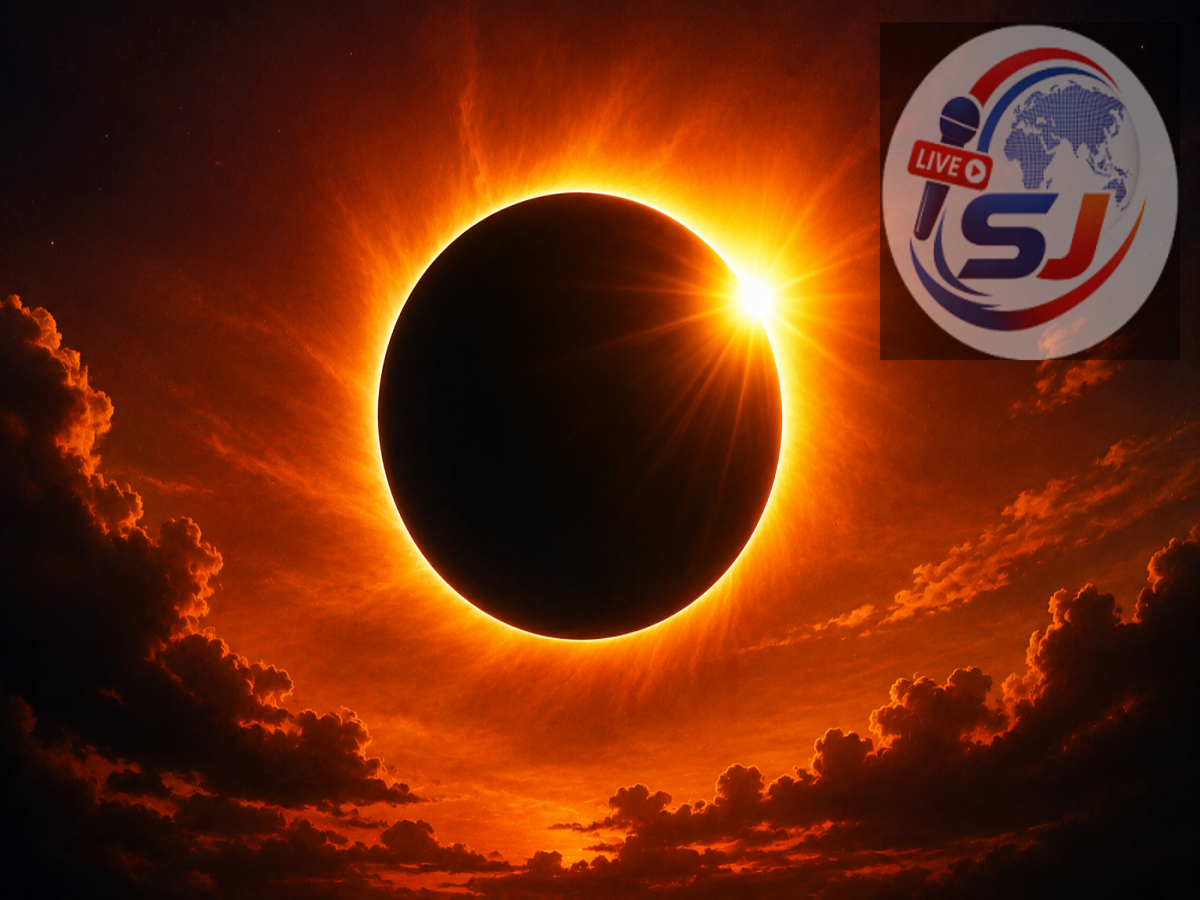
Solar Eclipse 2026: The second and final solar eclipse of 2026 will occur today, August 12. It will be a total solar eclipse, offering a spectacular astronomical event across parts of Europe and the North Atlantic region. However, people in India will not be able to witness the eclipse because it will occur after sunset here.
According to Indian Standard Time (IST), the eclipse will begin tonight and continue past midnight into August 13.
Solar Eclipse 2026 Timing in India
According to the timings reported for India, the eclipse will begin at around 9:04 PM on August 12 and end at approximately 1:27 AM on August 13. The maximum phase is expected at around 11:17 PM IST.
| Eclipse Phase | Date & Time (IST) |
|---|---|
| Eclipse begins | August 12, around 9:04 PM |
| Maximum eclipse | August 12, around 11:17 PM |
| Eclipse ends | August 13, around 1:27 AM |
| Visibility in India | Not visible |
Globally, the astronomical event begins at 15:34 UTC, according to Timeanddate's eclipse data.
Will the August 12 Solar Eclipse Be Visible in India?
No. The August 12, 2026 total solar eclipse will not be visible from India. By the time the eclipse begins, the Sun will already have set across India.
This means people in cities such as Delhi, Mumbai, Kolkata, Chennai, Bengaluru and Jaipur will not be able to watch the eclipse directly from India.
Where Will the Total Solar Eclipse Be Visible?
The path of totality will cross parts of the Northern Hemisphere. Totality will be visible from areas including Greenland, Iceland, Spain and parts of Russia, while a partial eclipse will be visible across a much wider region.
The broader eclipse will be observable from parts of Europe, northern Asia, north and northwest Africa, North America and portions of the Atlantic, Pacific and Arctic regions.
Will Sutak Kaal Be Observed in India?
According to commonly followed Hindu religious traditions, Sutak Kaal is generally observed when an eclipse is visible at a particular location.
Since today's solar eclipse will not be visible in India, Sutak Kaal is not considered applicable in India under these traditions. Therefore, temples and regular religious activities are generally not expected to face eclipse-related restrictions solely because of this event.
Religious practices can vary between communities and traditions, so individuals may choose to follow the guidance of their family priest or local religious authority.
Why Is This a Total Solar Eclipse?
A total solar eclipse happens when the Moon passes directly between Earth and the Sun and completely covers the Sun for observers located within a relatively narrow path of totality.
Outside this path, observers may see only a partial eclipse. The path of totality is comparatively narrow, which is why only specific locations get to experience complete darkness during a total solar eclipse.
How to Watch a Solar Eclipse Safely
People located in areas where the eclipse is visible should never look directly at the Sun with the naked eye during the partial phases.
Proper eclipse-viewing glasses or certified solar filters should be used. Ordinary sunglasses, camera lenses, binoculars or telescopes without appropriate solar filters are not safe for viewing the Sun.
Second and Final Solar Eclipse of 2026
There are two solar eclipses in 2026. The first was an annular solar eclipse on February 17, while today's August 12 eclipse is total. It is therefore the second and final solar eclipse of the year.
For astronomy enthusiasts in India, the event cannot be watched directly from the country, but live streams from locations within the eclipse path will provide an opportunity to follow totality online.
View the August 12, 2026 total solar eclipse map and timings
Disclaimer: Information regarding Sutak Kaal and the astrological or religious significance of an eclipse is based on traditional beliefs. Astronomical timings and visibility are scientific calculations and may vary slightly depending on location.