
Sheetala Saptami 2026: Why Is Cold Food Offered to the Goddess? Know the Date, Puja Time and Tradition
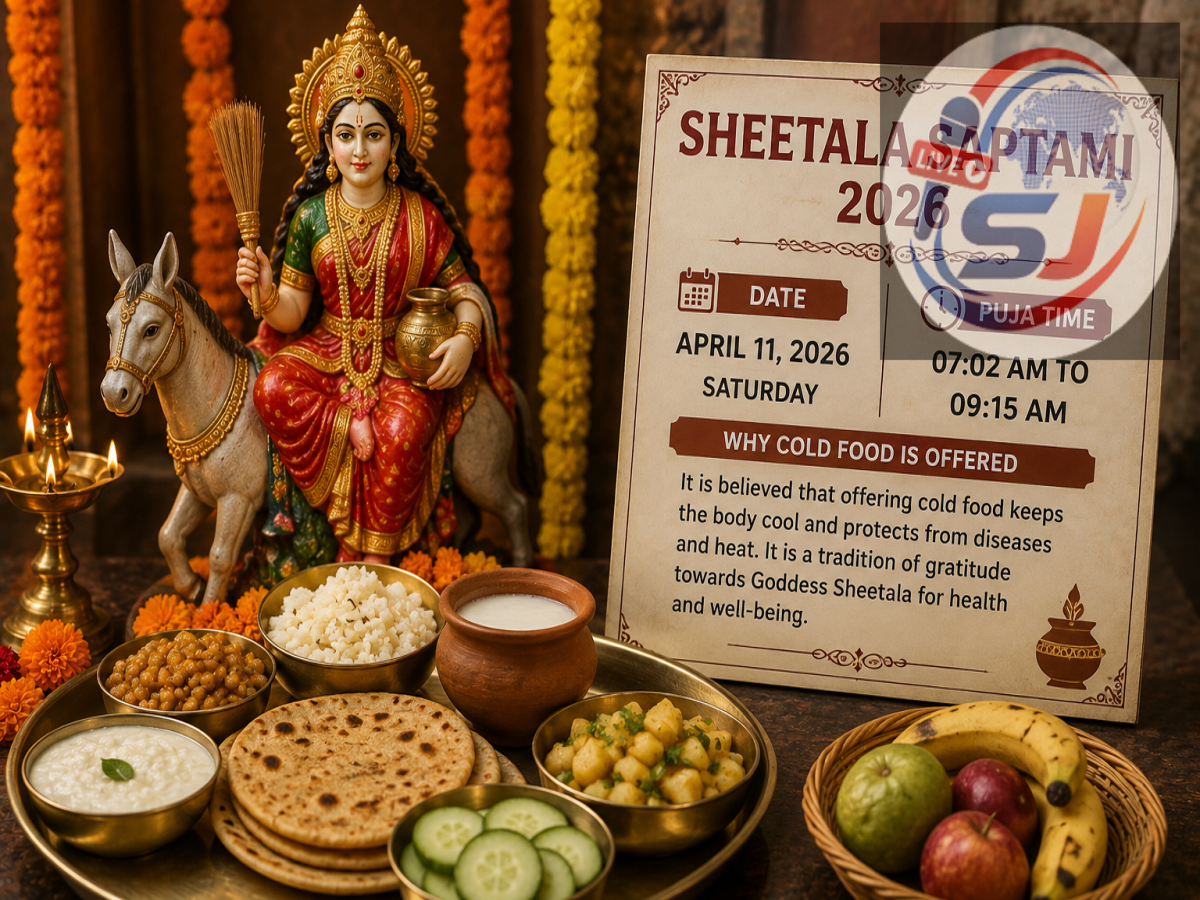
Sheetala Saptami is an important Hindu festival dedicated to Goddess Sheetala, worshipped as a divine protector associated with health, well-being and protection from diseases. In 2026, Sheetala Saptami will be observed on Thursday, September 3.
One of the most distinctive traditions associated with this festival is the offering of food prepared a day earlier. Unlike many Hindu festivals where freshly cooked dishes are presented to the deity, devotees traditionally offer cold, previously prepared food to Goddess Sheetala on this occasion.
The food is generally cooked on the preceding day, traditionally associated with Randhan Chhath, and is consumed or offered without reheating on Sheetala Saptami.
According to the timings given for this year's observance, the auspicious period for Sheetala Mata Puja on September 3 will extend from approximately 6:24 AM to 6:52 PM.
But why is food prepared a day earlier, and what is the religious meaning behind avoiding freshly cooked meals on Sheetala Saptami? Here's a detailed look at the tradition.
When Is Sheetala Saptami in 2026?
Sheetala Saptami will be observed on:
Date: September 3, 2026
Day: Thursday
The festival is observed with special devotion by families who follow the traditional worship of Goddess Sheetala.
According to the information provided, devotees can perform the puja during the following period:
Sheetala Saptami Puja time: 6:24 AM to 6:52 PM
This gives devotees a broad window during the day to offer prayers and perform traditional rituals.
Exact local religious timings may vary depending on the Panchang and location being followed.
Who Is Goddess Sheetala?
Goddess Sheetala occupies an important place in Hindu folk and religious traditions.
Her name itself is connected with the idea of coolness or something that provides relief from heat.
She has traditionally been worshipped for the health and protection of the family, particularly children.
Devotees pray to Sheetala Mata for protection from illness and for peace, health and prosperity in the household.
The rituals surrounding Sheetala Saptami reflect this association with cooling, cleanliness and well-being.
Why Is Food Cooked One Day Before Sheetala Saptami?
The practice of preparing food a day before the festival is one of its most recognisable customs.
The day preceding Sheetala Saptami is traditionally associated with Randhan Chhath.
“Randhan” refers to cooking, and families observing the custom prepare the dishes they intend to offer and eat on the following day.
Once the cooking has been completed, the food is kept for Sheetala Saptami.
The following day, devotees traditionally avoid cooking fresh meals and instead offer the previously prepared dishes to Goddess Sheetala.
This food is then consumed as part of the festival observance.
Why Is Cold Food Offered to Sheetala Mata?
The custom is closely connected with the symbolism of Goddess Sheetala.
Since the goddess represents coolness and is traditionally associated with protection from illnesses involving heat or fever, devotees offer food that has already cooled rather than food served directly from the fire.
In traditional belief, keeping the cooking fire unused on the day of Sheetala worship is considered an important part of showing devotion to the goddess.
The dishes prepared on Randhan Chhath are therefore offered cold on Sheetala Saptami.
The practice has been followed across generations in communities where Sheetala Mata worship forms an important part of family tradition.
What Is Randhan Chhath?
Randhan Chhath is observed immediately before Sheetala Saptami in traditions that follow this festival cycle.
It is essentially the day on which families prepare food for the following day's worship and meals.
Since devotees traditionally avoid cooking on Sheetala Saptami itself, much of the household cooking is completed in advance.
Families may prepare a variety of foods according to regional and household customs.
Once the dishes are ready, they are stored appropriately and offered to Sheetala Mata the next day before being consumed by family members.
What Food Is Traditionally Offered?
The dishes offered to Sheetala Mata vary considerably from one region and family to another.
Depending on local traditions, households may prepare items such as puri, roti, sweets and other foods that can be prepared in advance.
The central idea is not necessarily one specific recipe but the custom that the food is prepared on the previous day and offered after it has cooled.
Families generally follow the customs passed down through their own community and household traditions.
How Is Sheetala Saptami Puja Performed?
The method of worship can differ by region, but devotees generally begin the day early.
After bathing and completing morning preparations, worshippers may visit a Sheetala Mata temple or perform the puja at home according to family custom.
The food prepared on Randhan Chhath is offered as bhog.
Devotees may also offer flowers and other traditional puja items while praying for the well-being of their family.
Special prayers are commonly offered for good health and protection from disease.
Why Is the Cooking Fire Traditionally Avoided?
The custom of not lighting the cooking fire is closely connected with the festival's emphasis on coolness.
Sheetala means cool, and devotees traditionally avoid freshly cooked hot food on the day dedicated to the goddess.
Instead, the household completes cooking the previous day.
The absence of fresh cooking on Sheetala Saptami becomes a symbolic part of the worship.
However, customs can vary between communities. Families generally follow the religious traditions practised in their own region.
Sheetala Saptami Is Closely Connected With Health
The worship of Sheetala Mata has historically had a strong connection with health and protection from infectious illnesses.
Before modern medicine and vaccination, communities often turned to religious practices and local traditions during outbreaks of disease.
Sheetala Mata came to be especially associated with protection from diseases accompanied by fever and skin eruptions.
Today, devotees continue these traditions primarily as an expression of faith and cultural heritage.
Religious worship, however, should not be considered a replacement for medical treatment, vaccination, hygiene or professional healthcare.
Take Extra Care When Eating Food Prepared a Day Earlier
The religious tradition of consuming previously prepared food also makes food safety particularly important.
Food that remains at unsafe temperatures for extended periods can allow bacteria to multiply, especially in warm and humid weather.
Families following the tradition should therefore store prepared food safely and hygienically.
Perishable foods that require refrigeration should be refrigerated appropriately rather than being left at room temperature overnight.
If any food develops an unusual smell, appearance or texture, it should not be consumed merely because it was prepared for the festival.
Children, elderly people, pregnant women and individuals with weakened immunity require particular care regarding food safety.
Religious tradition and safe food-storage practices can be followed together.
Sheetala Saptami 2026: Key Details
| Festival Detail | Information |
|---|---|
| Festival | Sheetala Saptami |
| Date | September 3, 2026 |
| Day | Thursday |
| Goddess worshipped | Sheetala Mata |
| Puja period | Around 6:24 AM to 6:52 PM |
| Food preparation | Traditionally done a day earlier |
| Previous-day tradition | Randhan Chhath |
| Special custom | Offering cold, previously prepared food |
What Should Devotees Remember?
Sheetala Saptami is not simply about eating food cooked a day earlier. The custom forms part of a wider tradition centred on devotion to Goddess Sheetala and prayers for family health and well-being.
The food is prepared on Randhan Chhath, allowed to cool and then offered to the goddess the following day according to family tradition.
Those observing the festival should also remember that ritual practices can differ between regions.
For exact Tithi, puja and local observance timings, devotees can follow the Panchang or temple calendar used by their family or community.
The Bottom Line
Sheetala Saptami will be observed on September 3, 2026. According to the timings provided, the auspicious period for worship will run from approximately 6:24 AM to 6:52 PM.
The most distinctive feature of the festival is the tradition of offering food prepared on the previous day.
Families observing the custom prepare dishes on Randhan Chhath and offer the cooled food to Goddess Sheetala on Sheetala Saptami. The practice symbolically reflects the goddess's association with coolness, health and protection.
Devotees can observe the traditional rituals according to their family customs while also ensuring that food prepared in advance is stored and handled safely.
Disclaimer: Religious practices, Panchang calculations and puja traditions may vary by region, community and location. Devotees should consult their local Panchang, priest or temple for precise ritual timings and customs. Religious practices related to health should not be treated as substitutes for medical advice, vaccination or treatment.