
Pitru Paksha 2026: Why Is Water Offered During Shradh? Know Tarpan’s Link to Bhagirath and Ganga
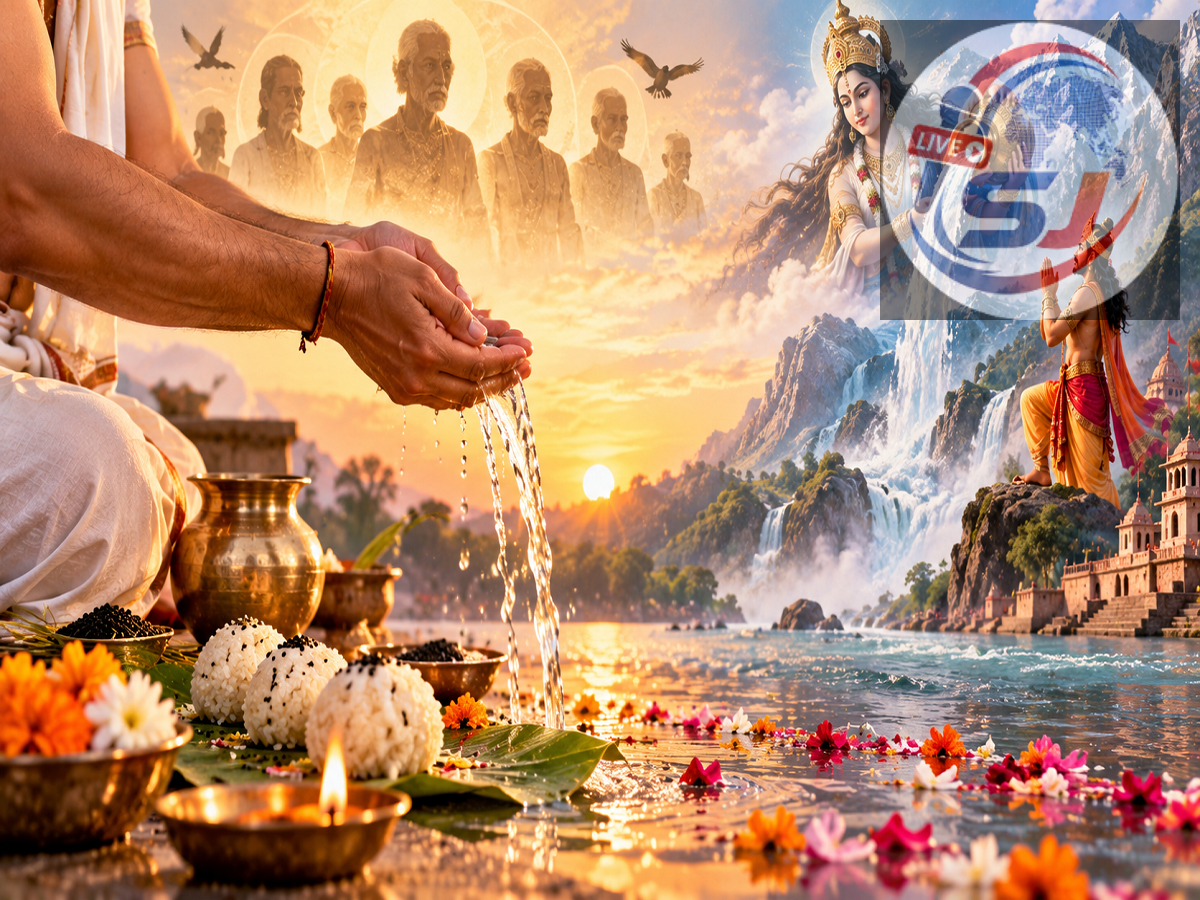
During Pitru Paksha, many Hindu families perform Shradh rituals in remembrance of their ancestors. Feeding Brahmins, offering food and performing Pind Daan are among the practices commonly associated with this period. However, another ritual considered especially significant in Hindu tradition is Tarpan—the offering of water to one's ancestors.
According to traditional beliefs, Shradh is not considered complete merely by preparing or offering food. Water also holds an important place in rituals performed for the Pitras, or departed ancestors.
During Tarpan, devotees traditionally remember the names and gotras of their ancestors and offer water with faith and respect. The practice has also been associated with the sacred Ganga and the well-known story of King Bhagirath, whose penance, according to Hindu scriptures and tradition, brought the river Ganga to Earth for the salvation of his ancestors.
But why does water carry so much importance in Shradh rituals, and what does the story of Bhagirath have to do with it? Here is the traditional explanation.
Why Is Water Offered During Shradh?
Water has a special place in Hindu religious rituals. It is associated with purity, life and spiritual purification and is used during numerous ceremonies.
During Pitru Paksha, the offering of water to ancestors is known as Tarpan.
The word is traditionally associated with satisfaction or contentment. Through Tarpan, a person symbolically offers water to departed ancestors while remembering them with devotion.
According to Hindu customs, the act is not simply about pouring water. The intention, remembrance and reverence behind the offering are considered equally important.
This is why people performing Tarpan traditionally recall the names of their ancestors and their gotra while making the water offering.
Is Shradh Incomplete Without Water?
Many families associate Shradh primarily with preparing food and feeding Brahmins or other eligible recipients according to their traditions.
However, traditional Shradh practices give importance to both food and water offerings.
Tarpan is therefore regarded as an important component of ancestral rituals.
Different communities and families may follow different procedures, so the exact method can vary. Some people perform Tarpan at home, while others travel to sacred rivers, pilgrimage centres or places traditionally associated with Pind Daan and Shradh.
The underlying purpose remains remembrance of one's ancestors and the expression of gratitude towards them.
What Is Tarpan?
Tarpan is a ritual in which water is offered while remembering deities, sages or ancestors, depending on the ceremony being performed.
During Pitru Paksha, Pitru Tarpan specifically focuses on departed ancestors.
Traditionally, water may be offered along with other ritual ingredients according to the practice being followed. The person performing the ritual remembers the ancestors and makes the offering in the prescribed manner.
Because procedures can differ depending on family tradition, region and religious school, people wishing to follow a specific ritual method generally rely on their family customs or guidance from a knowledgeable priest.
Connection Between Tarpan and the Story of Bhagirath
The religious importance attached to water in ancestral rites is often explained through the story of King Bhagirath and the descent of the Ganga.
According to Hindu tradition, King Bhagirath's ancestors required spiritual liberation. He therefore undertook severe penance to bring the sacred Ganga from the celestial realm to Earth.
His prayers were eventually answered.
However, there was another problem. The tremendous force of the Ganga descending directly onto Earth was believed to be powerful enough to cause destruction.
According to the traditional narrative, Lord Shiva received the Ganga in his matted hair, controlling the force of her descent before allowing the sacred river to flow onto Earth.
Bhagirath then guided the Ganga towards the place associated with his ancestors.
How Ganga Became Associated With Ancestor Rituals
According to the religious narrative, when the waters of the sacred Ganga reached Bhagirath's ancestors, they attained liberation.
This story became one of the important traditional explanations for the connection between sacred water and rituals performed for departed ancestors.
It also explains why the Ganga occupies such a significant position in Hindu funeral rites, Shradh, Tarpan and other ceremonies associated with the deceased.
Even today, pilgrimage destinations located along sacred rivers attract large numbers of people during Pitru Paksha.
Places such as Haridwar, Prayagraj, Varanasi and Gaya are traditionally associated with various ancestral rites, although the rituals performed at each destination can differ.
Why Are the Ancestor's Name and Gotra Remembered?
During Tarpan, devotees traditionally identify the ancestor for whom the offering is being made.
Remembering the person's name and gotra gives the ritual a specific ancestral connection within the traditional framework.
At a broader level, the practice also encourages families to remember previous generations rather than allowing their names and contributions to disappear from family memory.
Pitru Paksha is therefore not limited to ritual activity. For many families, it becomes a period for remembering parents, grandparents and earlier generations with gratitude.
Food and Water Both Have Their Place in Shradh
Food offerings receive considerable attention during Shradh, but traditional practices also emphasise water.
Families may prepare meals, perform Pind Daan, offer food and conduct Tarpan according to the customs they have inherited.
Feeding Brahmins is also practised by many families as part of Shradh, though specific customs vary considerably across India.
The central idea behind these rituals is Shraddha—sincere reverence and remembrance for those who came before.
Pitru Paksha Is a Period of Remembrance
Pitru Paksha is traditionally observed as a dedicated period for honouring departed ancestors.
During these days, families may perform Shradh, Pind Daan and Tarpan on the appropriate Tithi associated with an ancestor's death, depending on the tradition they follow.
The rituals are accompanied by prayers for peace and spiritual welfare of the departed.
People also use the period to express gratitude for the family lineage and remember the role previous generations played in their lives.
The Meaning Behind Offering Water
From a religious perspective, Tarpan represents much more than a physical offering of water.
Water symbolises life, purity and continuity in many Hindu traditions. When it is offered while remembering ancestors, it becomes an expression of reverence and connection between generations.
The story of Bhagirath bringing the Ganga to Earth for his ancestors further strengthens this association between sacred water and ancestral liberation in Hindu belief.
This is why traditional Shradh practices place importance not only on offering food but also on respectfully offering water.
Families observing Pitru Paksha 2026 can follow the customs passed down through their family or seek appropriate religious guidance if they are unsure about the procedure. While methods may differ, remembrance, gratitude and Shraddha remain at the heart of the observance.