
Pitru Paksha 2026: When Does Shradh Begin? Know Tarpan Time, Panchbali Rules and Rituals
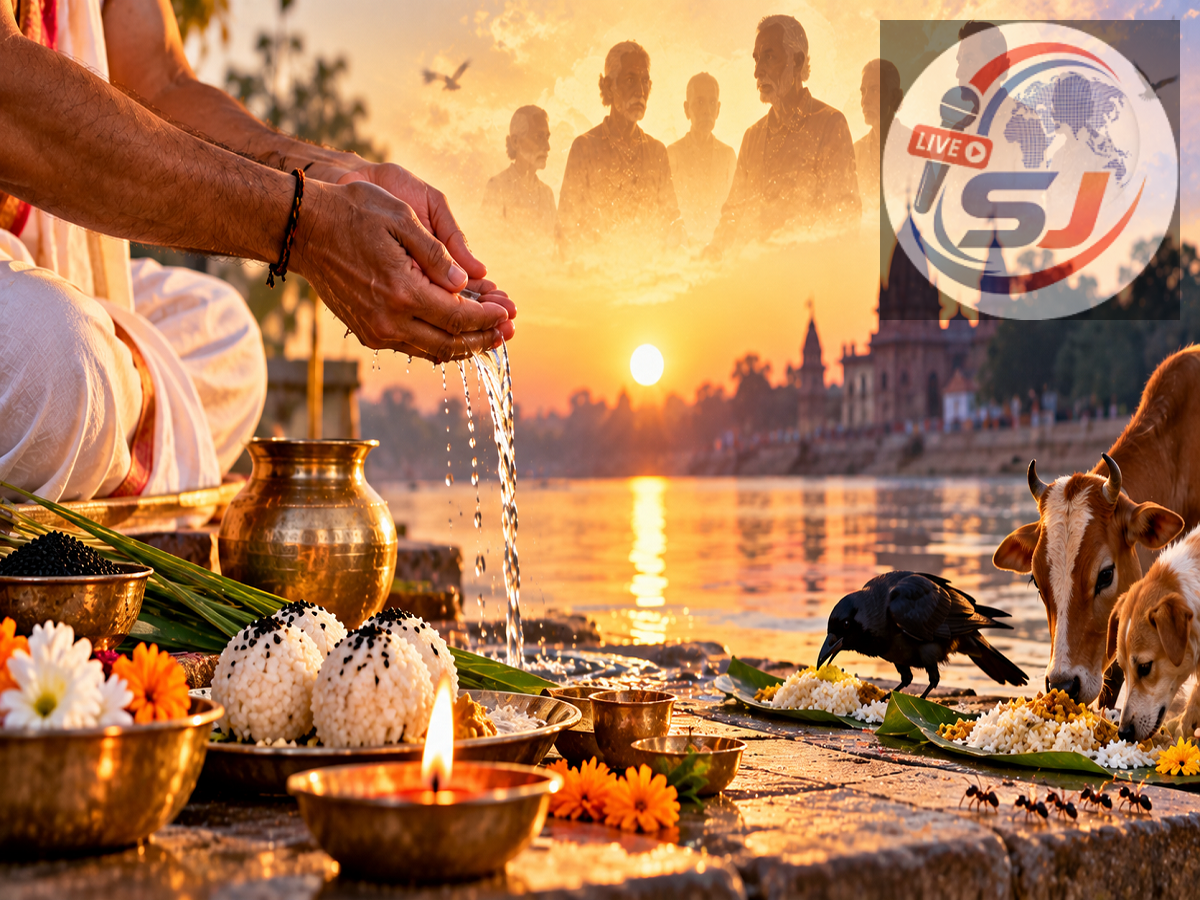
Pitru Paksha 2026 is approaching, and many families are preparing to perform Shradh, Tarpan and other rituals in memory of their departed ancestors. With questions arising over whether the observance begins tomorrow or the following day, devotees are also looking for the correct Tithi, Tarpan timing and traditional rules associated with Shradh.
Pitru Paksha is a period in the Hindu calendar dedicated to remembering and honouring one's ancestors. During these days, families traditionally perform rituals such as Shradh, Tarpan and Pind Daan and offer food according to their family customs.
An important practice associated with Shradh is Panchbali, in which portions of the prepared food are traditionally set aside for a cow, dog, crow, deities and ants before the main Shradh meal is served.
For Tarpan, the source report identifies Kutup Kaal from 11:36 AM to 12:24 PM as an especially auspicious period.
Here is what devotees should know about the traditional rituals, Tarpan timing and important practices during Pitru Paksha.
When Does Pitru Paksha 2026 Begin?
The beginning of Pitru Paksha is determined according to the Hindu lunar calendar and the relevant Tithi.
This can occasionally create confusion because a Tithi does not necessarily begin and end at midnight. It may start during one Gregorian calendar date and continue into the next.
Therefore, when there is uncertainty over whether Pitru Paksha begins on one day or the following day, the applicable Tithi and the religious rules used for Shradh should be considered rather than simply looking at the English calendar date.
The supplied source excerpt does not contain the complete start and end timings of the relevant Tithi. Devotees who want to perform the first Shradh according to a precise muhurat should therefore consult the complete local panchang applicable to their city.
What Is Pitru Paksha?
Pitru Paksha is traditionally observed as a period dedicated to the Pitras, or departed ancestors.
Families remember previous generations and perform Shradh with the intention of expressing gratitude and praying for the peace of departed family members.
The rituals performed during this period vary across families, communities and regions.
Some people perform the ceremony at home, while others visit religious destinations traditionally associated with ancestral rites.
Gaya, Prayagraj, Haridwar and Varanasi, among other pilgrimage centres, have long-standing traditions connected with Shradh, Tarpan and Pind Daan.
Best Time for Tarpan: Kutup Kaal
Timing is considered important in traditional Shradh rituals.
According to the source report, Kutup Kaal from 11:36 AM to 12:24 PM is regarded as an especially favourable period for performing Tarpan.
Kutup Kaal is traditionally associated with the midday period and is given particular importance for Shradh-related ceremonies.
However, panchang timings can vary according to geographical location. Anyone following the muhurat strictly should confirm the timing for their city before beginning the ceremony.
Why Is Tarpan Performed?
Tarpan involves offering water while remembering departed ancestors.
During Pitru Paksha, the person performing the ritual traditionally remembers the ancestor's name and gotra and offers water with Shraddha, or sincere reverence.
Depending on the tradition being followed, additional ingredients may also be used during the ritual.
Water has a particularly important place in ancestral rites in Hindu tradition. It is associated with purity and life and is considered an essential part of many Shradh ceremonies.
The exact procedure may differ according to family custom, so devotees who are unsure about the method can follow their established family tradition or seek guidance from a knowledgeable priest.
What Is Panchbali During Shradh?
One of the important traditions mentioned in connection with Pitru Paksha is Panchbali.
Before the main Shradh meal is served, portions of the prepared food are traditionally separated into five offerings.
These are associated with:
-
Cow
-
Dog
-
Crow
-
Deities
-
Ants
Each offering carries symbolic religious significance within the traditional Shradh framework.
The crow, in particular, has a strong association with Pitru Paksha traditions and is often linked symbolically with ancestors.
The practice also reflects the broader traditional idea of sharing food with different living beings before eating oneself.
Food Should Be Offered With Shraddha
The word Shradh itself is associated with Shraddha, or faith and reverence.
For this reason, traditional teachings place importance not merely on completing the rituals mechanically but on performing them respectfully.
Families prepare food according to their customs and make the prescribed offerings before feeding invited recipients.
The food and ritual practices can differ from one region or family to another, so there is no single household menu followed across India.
How Is Shradh Traditionally Performed?
The exact sequence varies, but a Shradh ceremony may include remembrance of the ancestors, Sankalp, Tarpan, Pind Daan, Panchbali and food offerings.
The person performing the ritual traditionally remembers the ancestors for whom the ceremony is intended and offers prayers for their peace.
Tarpan is performed with water, while Pind Daan involves ritual offerings prepared according to the tradition being followed.
Panchbali portions are separated before the main meal.
Families may then feed Brahmins or other eligible recipients according to their customs and distribute food or make donations.
Because procedures vary significantly, devotees wishing to follow a particular religious school should use the method prescribed by their family tradition.
Why Does the Shradh Tithi Matter?
During Pitru Paksha, families traditionally perform Shradh on the Tithi associated with the death of the departed family member.
The Hindu lunar Tithi is therefore more important for this purpose than simply matching an English calendar date.
This is another reason why people may sometimes become confused about the date of a Shradh ceremony.
The lunar Tithi can begin on one date and end on another, and religious observance may depend on which Tithi prevails during the period considered appropriate for Shradh.
Checking an accurate local panchang can help resolve this confusion.
Important Things to Remember During Pitru Paksha
Pitru Paksha rituals are intended to be performed with simplicity, remembrance and respect.
Those observing Shradh should follow their family traditions rather than becoming overly concerned about practices followed by other households.
The correct Tithi should be checked before performing a specific ancestor's Shradh. Tarpan should be performed respectfully, and Panchbali offerings can be prepared according to the tradition being followed.
If there is uncertainty over a Tithi or ritual, consulting a reliable local panchang or knowledgeable religious guide is preferable to relying on unverified social-media messages.
When Will Pitru Paksha 2026 End?
Pitru Paksha traditionally concludes with Sarva Pitru Amavasya, an important day for ancestral rites.
It is especially significant for families who may not know the exact death Tithi of an ancestor or who follow the tradition of performing Shradh for multiple ancestors on Amavasya.
However, the supplied source excerpt does not include the complete 2026 Tithi schedule or the exact Gregorian date and timing of Sarva Pitru Amavasya. Therefore, devotees should check the full 2026 panchang before fixing their ceremony.
For those beginning their Pitru Paksha observances, the important timing provided in the source is the 11:36 AM to 12:24 PM Kutup Kaal for Tarpan.
Ultimately, Pitru Paksha is centred on remembrance and gratitude. Whether families perform Tarpan, Panchbali, Pind Daan or food offerings, Hindu tradition places Shraddha—sincere respect for one's ancestors—at the heart of these observances.