
Pitru Paksha 2026: Should You Buy or Wear New Clothes During Shradh? Know the Traditional Belief
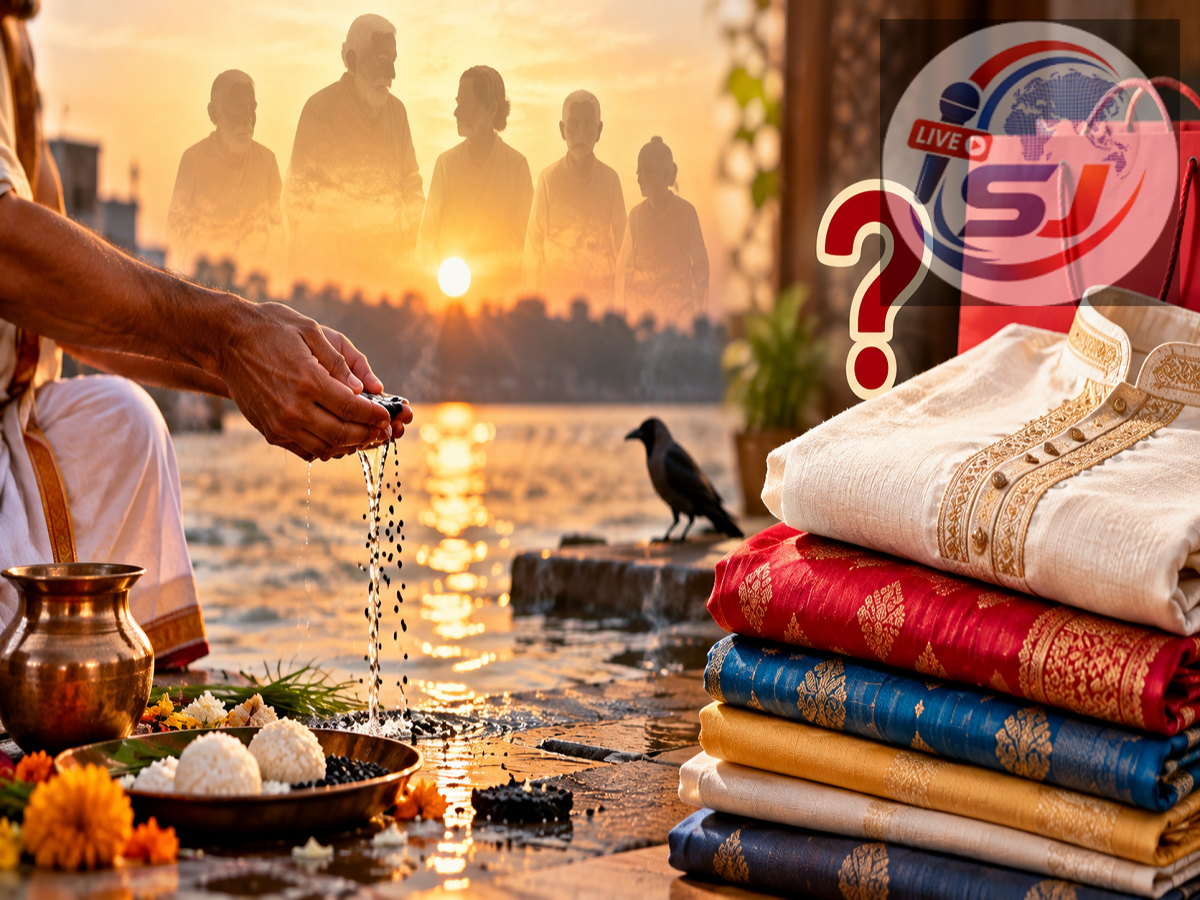
Pitru Paksha 2026: Can you buy new clothes during Pitru Paksha, or should all shopping wait until Shradh ends? This is a common question among families observing the annual period dedicated to remembering ancestors.
In 2026, Pitru Paksha is being observed from September 27 to October 10, according to the dates cited in the source. During this period, many Hindu families perform Shradh, Tarpan and other rituals in memory of departed family members.
Because Pitru Paksha is traditionally associated with remembrance, simplicity and restraint rather than celebration, some families prefer not to purchase new clothes, jewellery or other non-essential items during these days.
However, customs are not identical across every region, community or family. There is also an important distinction between buying something because it is genuinely needed and shopping specifically for celebration or luxury.
Why Do Some People Avoid Buying New Clothes During Pitru Paksha?
In many traditions, Pitru Paksha is treated differently from a festive period.
Rather than focusing on celebrations and new beginnings, these days are associated with remembering ancestors and performing rituals for them. Families may observe Shradh on the relevant Tithi, offer Tarpan and food, make donations or feed people according to their customs.
For this reason, some households voluntarily avoid activities associated with celebration and indulgence.
Buying expensive new clothes, jewellery, footwear or luxury products may therefore be postponed until after Pitru Paksha.
The underlying idea is generally one of restraint and simplicity rather than fear that purchasing an item will automatically cause something bad to happen.
Are New Clothes Completely Forbidden?
There is no single practice followed identically by every Hindu family.
Some households strictly avoid buying or wearing anything new throughout Pitru Paksha. Others primarily avoid purchases connected with auspicious celebrations such as weddings, engagements or major family functions.
Regional customs and family traditions can differ considerably.
Therefore, describing the purchase of all new clothes as universally "forbidden" during Pitru Paksha would oversimplify a diverse set of traditions.
People who observe specific family customs may prefer to follow the practices passed down in their household or seek guidance from a knowledgeable family priest if they are uncertain about a particular ritual.
What If You Genuinely Need New Clothes?
Essential purchases are often viewed differently from shopping for celebration.
Suppose a child needs a new school uniform, an employee urgently requires formal clothes for work, someone needs suitable clothing for travel, or changing weather makes a particular item necessary. Such situations are not the same as buying an expensive outfit purely for a party or celebration.
Families that generally avoid shopping during Pitru Paksha may still make necessary purchases depending on their own customs.
In other words, there is a practical difference between need-based shopping and celebration-oriented shopping.
Someone who wants to follow a stricter tradition may postpone a non-essential purchase for a few days. But there is little reason to create unnecessary anxiety around an item that is genuinely required for everyday life.
Can You Wear New Clothes During Shradh?
This is another area where family traditions differ.
Some people avoid wearing brand-new clothes during the entire Shradh period, while others observe such restrictions mainly on the day when their family's Shradh ceremony is performed.
During Shradh rituals, simple and clean clothing is commonly preferred in many traditions. The person performing the ritual may follow specific clothing practices depending on regional and family customs.
The emphasis is generally placed on simplicity and respect rather than fashion or elaborate dressing.
If a family has an established tradition concerning what should be worn during Shradh, following that practice can help maintain continuity with its customary observance.
What About Shopping for Weddings and Festivals?
If a purchase is connected with an upcoming wedding, engagement or major celebration, many families may choose to postpone it until Pitru Paksha ends.
This is particularly relevant for items such as expensive wedding outfits, jewellery or purchases made specifically to mark an auspicious new beginning.
However, this again reflects traditional practice rather than a rule that every household follows in exactly the same way.
Once Pitru Paksha concludes, the festive period that follows is traditionally associated with several auspicious occasions, and many households resume celebration-related purchases.
Pitru Paksha Is Primarily About Remembering Ancestors
Debates over shopping can sometimes overshadow the central purpose associated with Pitru Paksha.
The period is traditionally dedicated to remembering departed ancestors and expressing gratitude towards them. Depending on family customs, observances may include Shradh, Tarpan, Pind Daan, food offerings, charitable acts and feeding those in need.
Simplicity during these days is therefore understood by many families as a way of keeping attention on remembrance rather than material celebration.
The tradition is less about creating fear around ordinary daily activities and more about observing a period of reflection and respect.
Should You Buy New Clothes During Pitru Paksha 2026?
If the purchase is optional and intended for a celebration, families that follow the traditional practice of restraint may prefer to wait until Pitru Paksha concludes.
If clothes are genuinely required for school, work, travel, health, weather or another practical reason, the situation can reasonably be viewed differently depending on family custom.
Similarly, there is no single rule regarding wearing new clothes that applies uniformly to every Hindu household.
The most practical approach is to respect your family's established tradition while understanding the purpose behind it. Pitru Paksha is primarily associated with remembrance, gratitude, simplicity and paying respect to ancestors, rather than creating anxiety over every routine purchase.
Note: Religious customs surrounding Pitru Paksha vary across families, regions and communities. The practices described above represent commonly followed traditions and should not be treated as universally binding religious rules.