
Janmashtami 2026 Puja Thali: Essential Items for Laddu Gopal Worship, Abhishek and Bhog
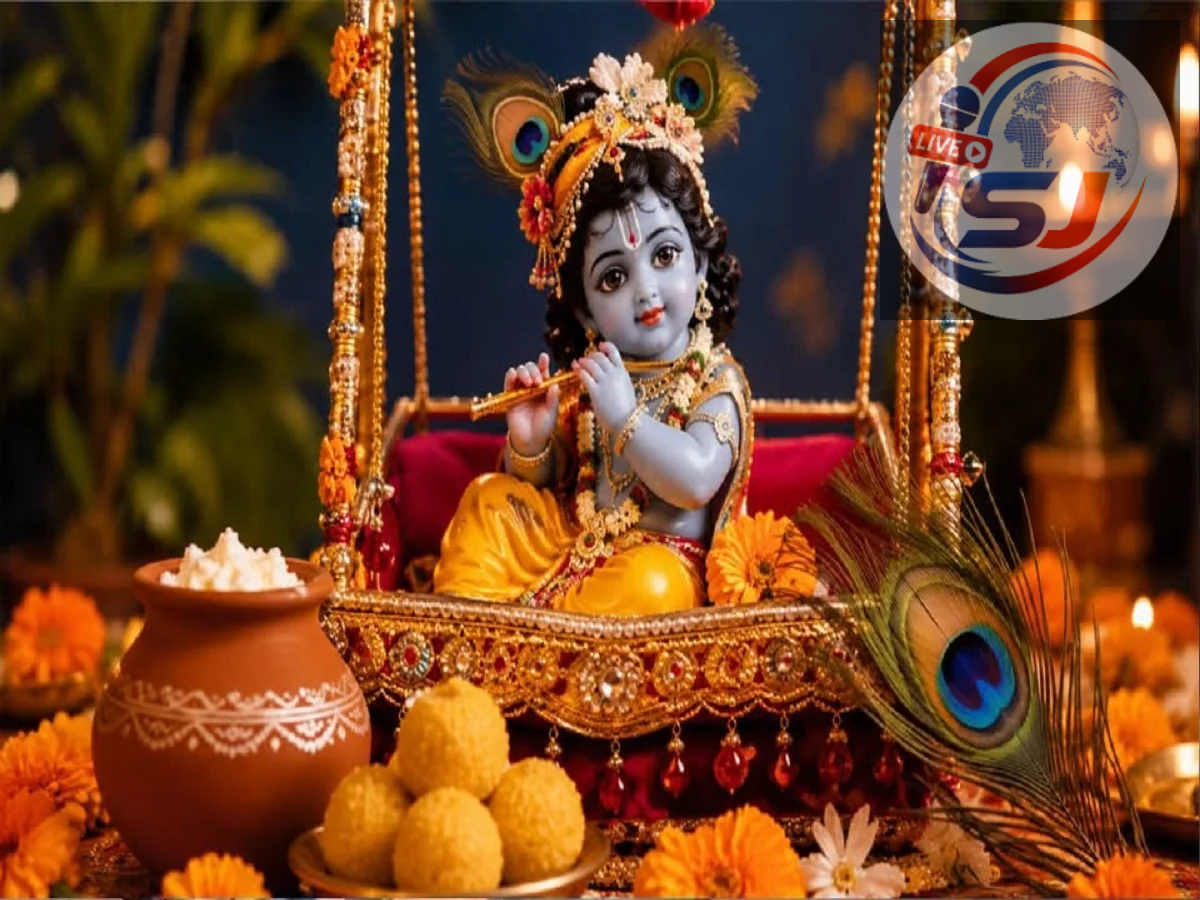
Krishna Janmashtami is one of the most cherished Hindu festivals dedicated to Lord Krishna. Devotees celebrate the occasion with fasting, devotional songs, temple visits, elaborate decorations and special worship of Laddu Gopal, the child form of Lord Krishna.
For families performing Janmashtami puja at home, preparing the worship area and arranging the puja thali in advance can make the rituals easier to perform. From Laddu Gopal's clothes and ornaments to ingredients for Panchamrit, flowers, Tulsi leaves and items required for aarti, several things are traditionally kept ready before the worship begins.
Different families and regions may follow slightly different customs, so there is no need to worry if every household's puja thali does not look exactly the same. Devotion and family tradition remain central to the celebration.
Here is a practical guide to the items commonly used for Laddu Gopal puja on Janmashtami.
Laddu Gopal Idol and New Clothes
The central part of the worship is the idol of Laddu Gopal.
Devotees traditionally clean and decorate the worship space before placing Laddu Gopal there. Many families dress the deity in new clothes specially purchased or prepared for Janmashtami.
Bright yellow, orange, red, green or other festive colours are commonly chosen according to personal preference and tradition.
After the ceremonial bath, Laddu Gopal is dressed in clean clothes and decorated before the main worship and aarti.
Mukut, Peacock Feather and Flute for Shringar
Shringar, or decorating the deity, is an important part of Janmashtami celebrations in many households.
A small mukut or crown can be used to adorn Laddu Gopal. A peacock feather, strongly associated with Krishna's traditional iconography, is another popular decorative item.
A miniature flute or bansuri may also be placed with the deity.
Depending on family custom, devotees may additionally use small garlands, jewellery and other decorative accessories.
These items help create the festive appearance associated with Krishna Janmashtami.
Keep Chandan and Akshat Ready
Chandan or sandalwood paste is commonly used during Hindu worship and may be applied as a tilak during the puja.
Some devotees use Gopi Chandan according to their religious tradition.
Akshat, usually unbroken rice grains used for worship, can also be kept in the puja thali.
These items are offered according to the sequence of rituals followed by the family or priest.
Panchamrit Ingredients for Laddu Gopal Abhishek
Abhishek, or the ceremonial bathing of the deity, is an important Janmashtami ritual in many homes and temples.
For this purpose, devotees commonly prepare Panchamrit.
As its name suggests, Panchamrit is traditionally made using five ingredients:
Milk, curd, ghee, honey and sugar.
Keep these ingredients ready before beginning the puja so that the Panchamrit can be prepared conveniently.
The exact quantity does not need to be large when worshipping a small Laddu Gopal idol at home.
Gangajal and Clean Water for the Ceremonial Bath
Along with Panchamrit, devotees may keep Gangajal and clean fresh water ready for the abhishek.
Depending on the tradition being followed, Laddu Gopal may first be bathed ceremonially with the prepared ingredients and then cleansed with fresh water.
A suitable bowl or plate should be placed underneath the idol during the abhishek to collect the liquid and prevent the worship area from becoming messy.
It is helpful to arrange all the required vessels before beginning the ceremony.
Don't Forget a Clean Cotton Cloth
After completing the ceremonial bath, the Laddu Gopal idol needs to be gently dried before being dressed.
Keep a clean, soft cotton cloth specifically for this purpose.
Once the idol has been carefully dried, devotees can dress Laddu Gopal in new clothes and begin the shringar with the crown, peacock feather, flute, garland and other ornaments.
This simple preparation can make the transition from abhishek to shringar much smoother.
Ghee Diya, Incense and Aarti Items
Aarti is another important part of Janmashtami worship.
Keep a diya ready with ghee and a cotton wick. Depending on household practices, incense sticks or dhoop may also be used during worship.
A small bell can be kept nearby for use during aarti.
Some households and temples also use a shankh or conch as part of their religious rituals.
If your family follows this tradition, clean and prepare it beforehand.
As practices vary, devotees can follow the customs traditionally observed in their own homes.
Flowers and Garland for Lord Krishna
Fresh flowers add fragrance and beauty to the worship space.
Yellow flowers are popularly associated with Krishna worship, although other fresh flowers can also be offered according to local availability and family tradition.
A flower garland may be placed around Laddu Gopal after the abhishek and shringar.
Devotees should preferably use fresh and clean flowers reserved for worship.
Tulsi Leaves Hold Special Importance
Tulsi has a particularly significant place in Vaishnav traditions and is commonly offered to Lord Krishna.
For this reason, many devotees make sure that Tulsi leaves are available for Janmashtami worship and bhog.
Tulsi leaves can be offered according to the religious customs followed by the household.
Rather than treating the absence of one item as automatically making the entire worship invalid, devotees can follow their family's established practice or seek guidance from their priest or temple where necessary.
Prepare Bhog for Laddu Gopal
Food offerings are another important part of Krishna Janmashtami celebrations.
Different households prepare different dishes depending on regional and family traditions.
Makhan-mishri is among the best-known offerings associated with Bal Krishna. Panchamrit can also form part of the offerings.
Other popular choices can include panjiri, kheer, fruits, sweets and homemade preparations.
In some traditions, devotees prepare an elaborate selection of dishes, while others keep the bhog simple.
Tulsi leaves are commonly placed with food offerings made to Krishna in Vaishnav worship.
A Simple Janmashtami Puja Thali Checklist
Before beginning the worship, devotees can check whether they have arranged the main items they intend to use.
Commonly used items include the Laddu Gopal idol, clean clothes, crown, peacock feather, flute, chandan, akshat, flowers, Tulsi leaves, ghee diya, cotton wick, incense, bell and the ingredients needed for Panchamrit.
Keep Gangajal, clean water and a soft cotton cloth nearby if you plan to perform abhishek.
Bhog should also be prepared in advance so that it can be offered at the appropriate stage of the puja.
Having everything arranged beforehand means devotees do not have to repeatedly leave the worship area in search of missing items.
How Laddu Gopal Puja Is Commonly Performed
The exact procedure differs between traditions, but a simple home worship can begin by cleaning and decorating the puja space.
The deity can then be ceremonially bathed according to family custom.
After the abhishek, gently dry Laddu Gopal with a clean cloth and dress the idol in fresh clothes.
Complete the shringar using the crown, peacock feather, flute, flowers and other available decorations.
Chandan and akshat can then be offered as prescribed in the household's worship tradition.
Light the diya and incense safely, offer flowers and Tulsi, present the prepared bhog and perform aarti.
Families observing Krishna's birth at midnight may perform their main celebration around the traditional Nishita period according to their local panchang and religious custom.
Keep Safety in Mind During the Celebration
Janmashtami decorations often involve diyas, electrical lights and crowded home temples, so a few practical precautions are useful.
Keep burning diyas and incense away from curtains, children's reach and easily flammable decorations.
If several electrical lights are being used around the jhula or puja area, avoid overloading extension boards.
Food prepared for bhog should also be handled hygienically, especially milk-based dishes that can spoil if left unrefrigerated for extended periods.
Devotion Matters More Than an Elaborate Setup
A beautifully decorated puja thali can certainly add to the festive atmosphere, but Janmashtami worship does not need to become a competition over the number of items used.
Ritual practices vary widely across India.
Some families perform an elaborate abhishek and midnight puja, while others celebrate with a simple diya, flowers, Tulsi, bhog and prayers.
The most appropriate approach is to follow your family's religious tradition and perform the worship with श्रद्धा—sincere devotion and respect.
Preparing the essential items beforehand can help devotees focus less on arrangements and more on celebrating the birth of Lord Krishna with prayer, bhajans, aarti and devotion.