
How Will Kaliyuga End? Ancient Bhavishya Malika Predictions Continue to Spark Curiosity
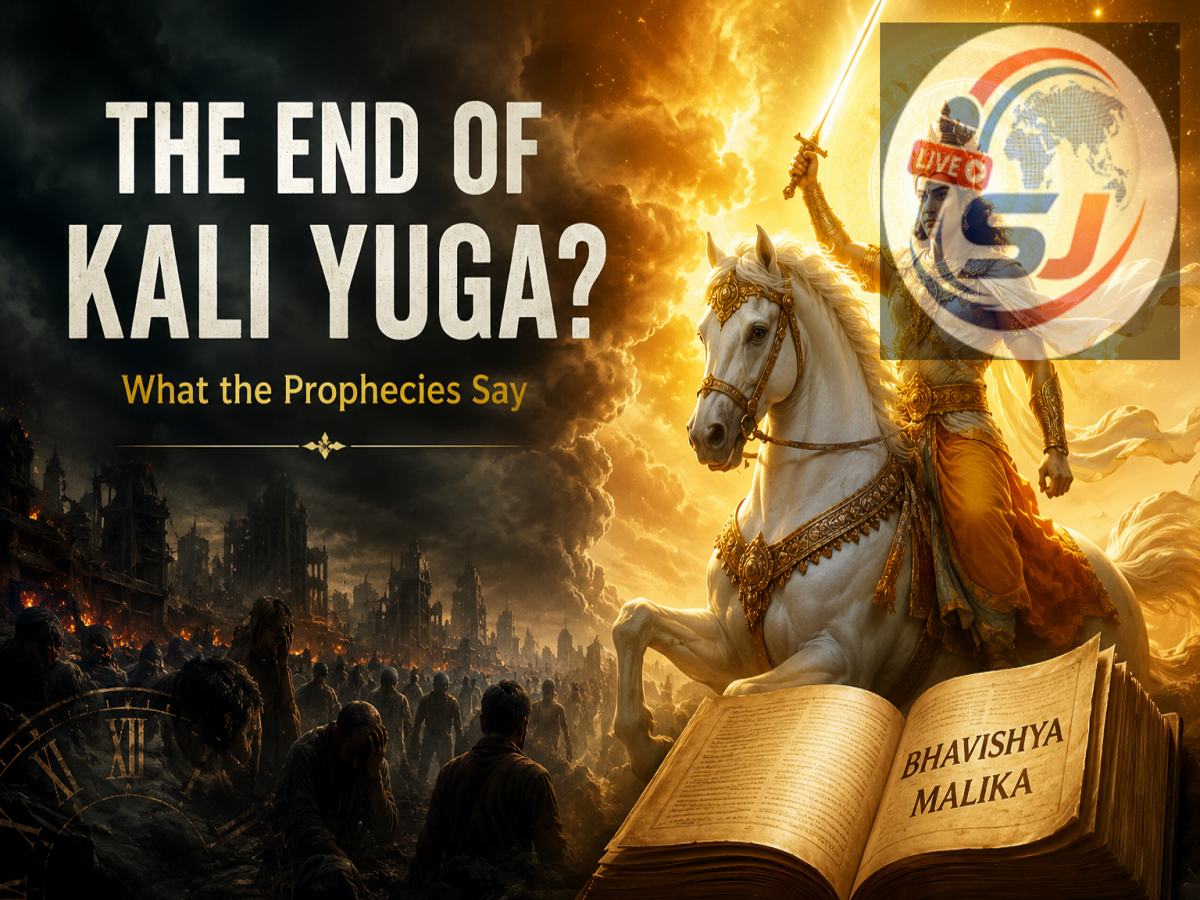
Hindu Beliefs: Is humanity witnessing the final phase of Kaliyuga? Ancient scriptures known as Bhavishya Malika contain several predictions that many people believe resemble present-day events. While these interpretations remain a matter of faith and tradition, they continue to attract widespread interest among spiritual seekers.
Are We Living in the Last Stage of Kaliyuga? Here's What Bhavishya Malika Says
Discussions about the end of Kaliyuga have become increasingly popular whenever unusual global events, natural disasters, social unrest, or rapid technological changes dominate headlines. Among the ancient texts often referenced in such conversations is the Bhavishya Malika, a collection of prophetic writings traditionally associated with the 16th-century saint Achyutananda Das of Odisha.
Many followers believe these writings describe future events and offer insights into the spiritual decline of humanity before the beginning of a new era. However, historians and scholars emphasize that these interpretations are based on religious beliefs and should not be viewed as scientifically verified predictions.
What Is the Bhavishya Malika?
The Bhavishya Malika is regarded by many devotees as a collection of prophetic verses discussing future developments, social transformations, and spiritual changes. It has been passed down through generations and is especially well known in Odisha.
The text is often consulted during times of uncertainty, as people look for connections between its descriptions and modern-day events. While believers consider it spiritually significant, experts note that many passages are symbolic and open to interpretation.
Predictions That People Often Compare With Current Times
Supporters of the Bhavishya Malika frequently point to several themes they believe resemble present-day developments. These include:
1. Decline in Moral Values
One of the recurring ideas in the text is that truth, honesty, and compassion will gradually diminish. Many believers associate this with rising corruption, increasing conflicts, and weakening ethical standards in society.
2. Increase in Natural Disasters
The scripture is believed to mention floods, earthquakes, storms, droughts, and other natural calamities becoming more frequent. Some followers compare these references with the growing number of extreme weather events witnessed across the world in recent years.
3. Growing Spiritual Distance
According to traditional interpretations, people in the later phase of Kaliyuga become more attached to material comforts while moving away from spirituality and religious values. This is often cited as one of the defining characteristics of the age.
4. Social and Political Unrest
Another widely discussed interpretation suggests that conflicts among nations, political instability, and social divisions could increase before the transition to the next era.
Does Bhavishya Malika Predict the End of Kaliyuga?
The text is believed by many followers to describe a period of significant transformation before the arrival of Kalki, the final avatar of Lord Vishnu in Hindu tradition. According to Hindu scriptures, Kalki is expected to restore righteousness and mark the beginning of Satya Yuga, the age of truth.
However, the Bhavishya Malika does not provide a universally accepted or scientifically established date for the end of Kaliyuga. Different interpretations exist, and no consensus has been reached regarding a specific timeline.
Faith and Interpretation Go Hand in Hand
Religious texts such as the Bhavishya Malika are interpreted differently by various scholars, spiritual leaders, and devotees. Some view its verses as symbolic guidance rather than literal forecasts, while others believe they contain genuine prophecies about humanity's future.
Because these writings belong to the realm of faith, they cannot be independently verified through scientific methods. Readers are encouraged to understand them within their religious and cultural context.
The Bottom Line
The Bhavishya Malika continues to inspire curiosity among millions interested in Hindu philosophy and ancient prophetic literature. Its references to moral decline, social challenges, natural disasters, and spiritual transformation are often linked with contemporary events by believers. Whether these descriptions are symbolic teachings or actual prophecies remains a matter of personal faith.
For many, the text serves less as a prediction of an exact date for the end of Kaliyuga and more as a reminder to uphold truth, compassion, and righteousness regardless of the age in which humanity lives.