
Hariyali Teej 2026 Date: Should You Observe the Fast on August 14 or 15? Check Puja Timings
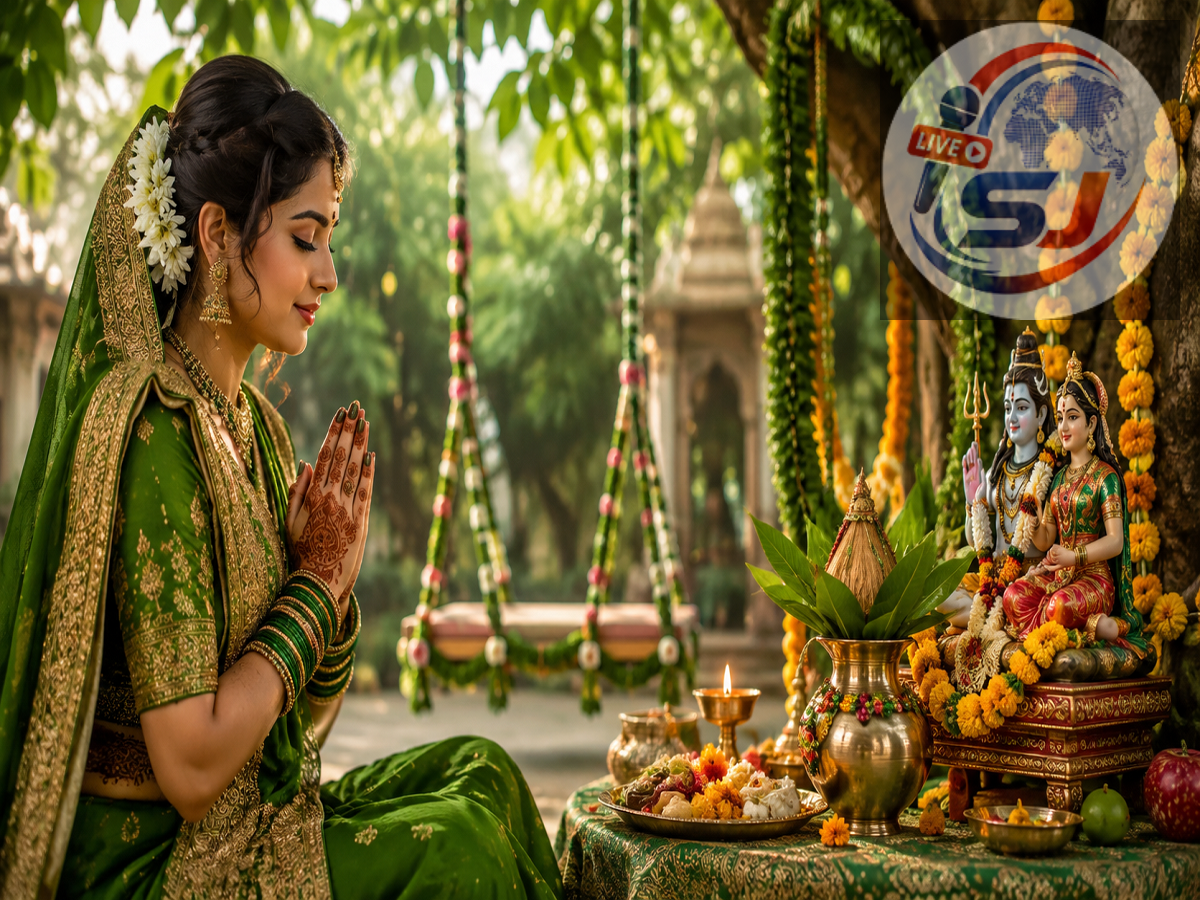
Hariyali Teej 2026: The festival of Hariyali Teej holds special significance for women and is closely associated with the monsoon season, marital happiness and the worship of Lord Shiva and Goddess Parvati. This year, the Tritiya Tithi extends across August 14 and 15, which may leave devotees wondering which date should be followed for the fast. According to the Panchang timings mentioned for the festival, Hariyali Teej will be observed on August 15, 2026.
Hariyali Teej is celebrated every year on the Shukla Paksha Tritiya of the Hindu month of Shravan. The festival is particularly popular across northern and central India, where traditional rituals, swings, mehendi, festive clothing and seasonal sweets add to the celebrations.
Hariyali Teej 2026: August 14 or August 15?
According to the Panchang calculations, Shravan Shukla Tritiya Tithi begins at 6:46 PM on August 14, 2026, and ends at 5:28 PM on August 15, 2026.
Since the Tritiya Tithi is prevailing at sunrise on August 15, the festival will be observed on Saturday, August 15, 2026, based on the Udaya Tithi tradition commonly followed for determining Hindu festival dates.
Women observing Hariyali Teej traditionally pray for marital harmony, the well-being of their spouses and a prosperous married life. Unmarried women may also worship Goddess Parvati with prayers for a suitable life partner.
Hariyali Teej 2026 Puja Muhurat
As per the timings given for this year's observance, the auspicious morning period for Hariyali Teej puja is:
Morning Puja Muhurat: 7:29 AM to 9:28 AM
Devotees planning their rituals may complete the main worship during this period, as Rahu Kaal follows afterward according to the stated Panchang schedule.
Festival timings can sometimes vary slightly depending on location and the Panchang followed. Devotees may therefore also check their local calendar or consult a knowledgeable priest for city-specific timings.
Why Are Lord Shiva and Goddess Parvati Worshipped on Hariyali Teej?
Hariyali Teej is deeply connected with the divine relationship of Lord Shiva and Goddess Parvati.
According to traditional belief, Goddess Parvati undertook intense penance because she wished to have Lord Shiva as her husband. Pleased by her devotion and determination, Lord Shiva accepted her prayers. Their union consequently became a symbol of devotion, commitment and marital harmony.
For this reason, Goddess Parvati is the central deity of Hariyali Teej worship, while Lord Shiva is worshipped alongside her.
Women traditionally offer flowers, fruits, sweets and items associated with shringar during the puja. Many devotees also listen to or narrate the Hariyali Teej vrat katha as part of the observance.
Sindhara: A Special Hariyali Teej Tradition
One of the most cherished customs associated with Hariyali Teej is Sindhara.
Under this tradition, the maternal family of a married woman sends gifts to her marital home. The custom is particularly significant for newly married women and is seen as an expression of affection and blessings from parents and other family members.
Sindhara is widely observed in states and regions including Rajasthan, Haryana, Uttar Pradesh, Madhya Pradesh and Delhi. Depending on local customs, the gifts may arrive a day before Hariyali Teej or on the morning of the festival.
A traditional Sindhara hamper may contain green sarees or suits, bangles, mehendi, bindi, sindoor and other beauty or suhaag items. Families may also send fruits, dry fruits, coconut, betel leaves, puja essentials and festive sweets.
Ghevar is especially associated with the monsoon and Teej celebrations, while other sweets such as feni, gujiya and laddoos may also be included.
Why Is Green So Important on Hariyali Teej?
Green dominates Hariyali Teej celebrations because the festival arrives during the monsoon season, when vegetation flourishes and the landscape turns vibrant.
The colour is traditionally associated with nature, prosperity, fertility, freshness and good fortune.
Women often dress in green sarees or suits and wear green bangles for the occasion. Applying mehendi and performing solah shringar are also popular customs.
These traditions transform Hariyali Teej into both a religious observance and a colourful celebration of the rainy season.
Why Do Women Enjoy Swings During Teej?
Swings hanging from tree branches are among the most recognisable images of Hariyali Teej.
As the monsoon brings relief from summer and makes the surroundings greener, women traditionally gather outdoors, enjoy swings and sing folk songs associated with Shravan and Teej.
The swinging tradition is primarily a long-standing folk custom connected with monsoon festivities, rather than a ritual specifically prescribed in major Hindu scriptures.
Over generations, however, it has become an integral part of Hariyali Teej celebrations in many communities.
Hariyali Teej 2026 FAQs
Can unmarried women observe Hariyali Teej?
Yes. Unmarried women may worship Goddess Parvati and observe the festival while praying for a suitable life partner. They may also offer items such as bangles, mehendi, chunri and other traditional shringar articles to the Goddess.
Why do women wear green clothes on Hariyali Teej?
Green represents the lush vegetation of the monsoon season and is traditionally associated with prosperity, happiness and auspiciousness. This is why green clothing and bangles are particularly popular during Teej.
When is Sindhara usually sent?
The exact practice varies between families and regions. In many households, Sindhara is sent one day before Hariyali Teej or on the morning of the festival.
Is swinging on Hariyali Teej a scriptural ritual?
Swinging is better understood as a traditional folk practice associated with the monsoon and Shravan celebrations. It has nevertheless become one of the most popular cultural traditions of Hariyali Teej.
Hariyali Teej 2026 at a Glance
Hariyali Teej in 2026 will be observed on August 15, as the Tritiya Tithi is present at sunrise that day. The Tithi begins at 6:46 PM on August 14 and concludes at 5:28 PM on August 15. The stated morning puja window is from 7:29 AM to 9:28 AM.
Beyond fasting and worship, Hariyali Teej celebrates devotion, family bonds, monsoon greenery and centuries-old cultural traditions. From Sindhara and festive sweets to mehendi, green attire, folk songs and swings, the festival continues to bring together religious faith and seasonal celebration.
Disclaimer: Religious practices, festival timings and traditions may differ by region, family custom and Panchang. Readers should consult their local Panchang or a qualified religious expert before making decisions based on specific ritual timings.