
Gap Between Front Teeth Considered Lucky in Samudrik Shastra: Know the Traditional Beliefs
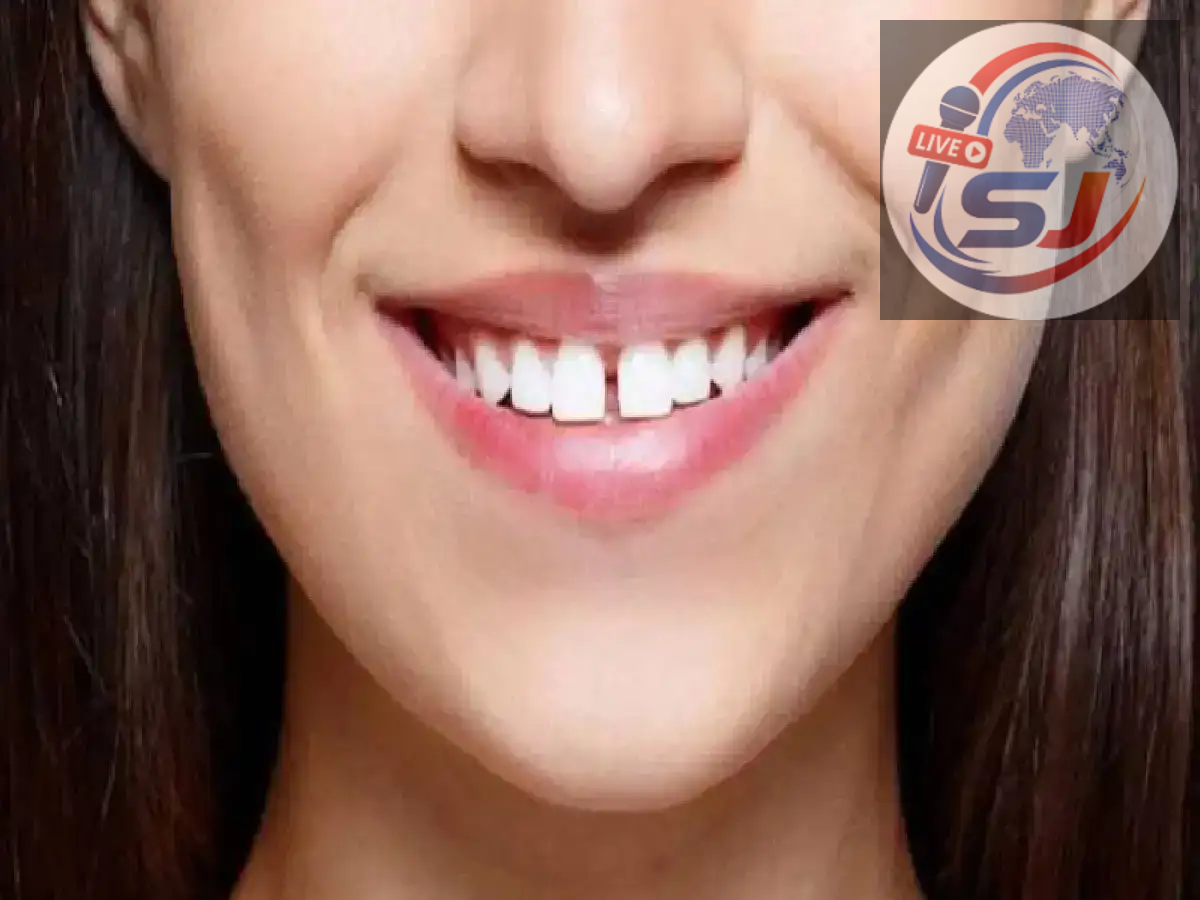
In traditional Indian belief systems, physical features are sometimes interpreted as signs of personality, temperament and life patterns. Samudrik Shastra, an ancient body-reading tradition, is often associated with observations about facial features, hands, eyes and other parts of the body.
One such popular belief concerns people who have a visible gap between their front teeth. While modern dentistry views a tooth gap, also known as diastema, as a normal dental feature that may occur for several biological reasons, traditional interpretations in Samudrik Shastra sometimes consider it auspicious.
According to these beliefs, people with a gap between their front teeth are thought to be fortunate, creative, confident and capable of building a distinct identity through their own efforts.
It is important to note that these ideas are based on traditional astrology and body-reading beliefs and are not scientifically proven methods of judging a person's character, intelligence, financial ability or future.
What Does Samudrik Shastra Say About a Gap Between Teeth?
Popular interpretations of Samudrik Shastra suggest that people with space between their front teeth may possess an independent way of thinking.
They are often described as people who prefer to do things differently rather than simply following the crowd. Their tendency to think creatively is believed to help them find unusual solutions and create opportunities for themselves.
Traditional interpretations also associate such individuals with good fortune and the ability to earn recognition in their chosen field.
However, these traits should be understood as cultural beliefs rather than factual personality assessments.
Such People Are Believed to Be Positive and Confident
Another belief associated with a gap between the front teeth is that such individuals tend to have a positive outlook.
According to Samudrik Shastra interpretations, they may remain relatively calm during difficult periods and are believed to possess the confidence to face challenges rather than giving up easily.
They are also described as persistent and hardworking.
The traditional idea is that even if they face setbacks in the early stages of life, they continue working toward their goals and eventually create better opportunities for themselves.
In practical life, of course, confidence and resilience depend on upbringing, experiences, personality and circumstances rather than the shape or spacing of a person's teeth.
Do People With a Tooth Gap Become Successful?
Some traditional beliefs suggest that people with gaps between their teeth may face a few struggles early in life but achieve greater success later through consistency and effort.
They are believed to have the ability to establish their own identity in whatever profession or field they choose.
This interpretation often connects their success with independent thinking, determination and willingness to try new approaches.
However, there is no scientific evidence that the spacing of teeth determines career success or social status.
Education, opportunity, skills, socioeconomic conditions and individual decisions play much more direct roles in a person's achievements.
Tooth Gap and the Connection With Venus and Jupiter
Astrological interpretations sometimes link the space between front teeth with Venus and Jupiter.
In Vedic astrology, Venus is traditionally associated with beauty, creativity, luxury, attraction and artistic interests.
Jupiter, meanwhile, is commonly connected with wisdom, knowledge, prosperity, expansion and good fortune.
Because both planets are generally regarded as benefic in many astrological traditions, some beliefs suggest that a visible gap between the front teeth may indicate their positive influence.
This remains an astrological interpretation and should not be considered a medically or scientifically established connection.
Are People With Tooth Gaps Good With Money?
Another interesting claim found in popular Samudrik Shastra interpretations is that people with gaps between their front teeth may be financially intelligent.
They are sometimes described as being good at earning money, managing resources and making thoughtful financial decisions.
Some traditional readings even suggest that if such people experience financial difficulties, they are capable of finding practical ways to recover.
In reality, financial management depends on knowledge, discipline, income, saving habits, debt levels and investment decisions.
A person's teeth cannot reliably indicate whether they will be good or bad with money.
Why Does a Gap Develop Between Teeth?
From a dental perspective, a gap between teeth can occur for many completely normal reasons.
Genetics can influence tooth size and jaw structure. A person may have relatively small teeth compared with the size of their jaw, creating visible spaces.
Other causes may include missing teeth, gum conditions or differences in the position of teeth.
In children, tooth gaps can also be temporary and may change as permanent teeth develop.
Therefore, a gap between the front teeth should not automatically be considered a problem.
Is a Tooth Gap Harmful?
A tooth gap is not always harmful and may simply be a natural feature of a person's smile.
However, if a new gap appears unexpectedly, becomes wider over time or is accompanied by gum bleeding, loose teeth or discomfort, consulting a dentist may be advisable.
A dental professional can determine whether the spacing is purely cosmetic or linked to an underlying oral-health condition.
Some people choose orthodontic or cosmetic treatment to close a gap, while others prefer to keep it as part of their natural appearance.
Traditional Belief Versus Scientific Explanation
Samudrik Shastra views physical characteristics symbolically, while modern science studies them through genetics, anatomy and medicine.
These approaches serve very different purposes.
Traditional beliefs may hold cultural or spiritual significance for some people, but they should not be used to make serious judgments about someone's personality, future, intelligence or financial prospects.
A person with a tooth gap is no more guaranteed to become wealthy or successful than someone without one.
The Popular Belief in Simple Terms
According to traditional Samudrik Shastra interpretations, people with a gap between their front teeth are often believed to be:
creative and independent thinkers, optimistic during difficult situations, hardworking, confident and capable of building a unique identity.
They are also traditionally associated with financial intelligence and good fortune.
These descriptions explain why a tooth gap is sometimes regarded as an auspicious sign in popular astrology and Samudrik Shastra discussions.
Ultimately, however, success depends much more on choices, opportunities, skills and perseverance than on any physical feature.
Disclaimer: This article is based on traditional Samudrik Shastra and astrological beliefs. These interpretations have not been scientifically established and should be read for cultural and informational purposes only.