
Feng Shui Plants for Skylights: 5 Green Choices Believed to Bring Balance, Freshness and Prosperity
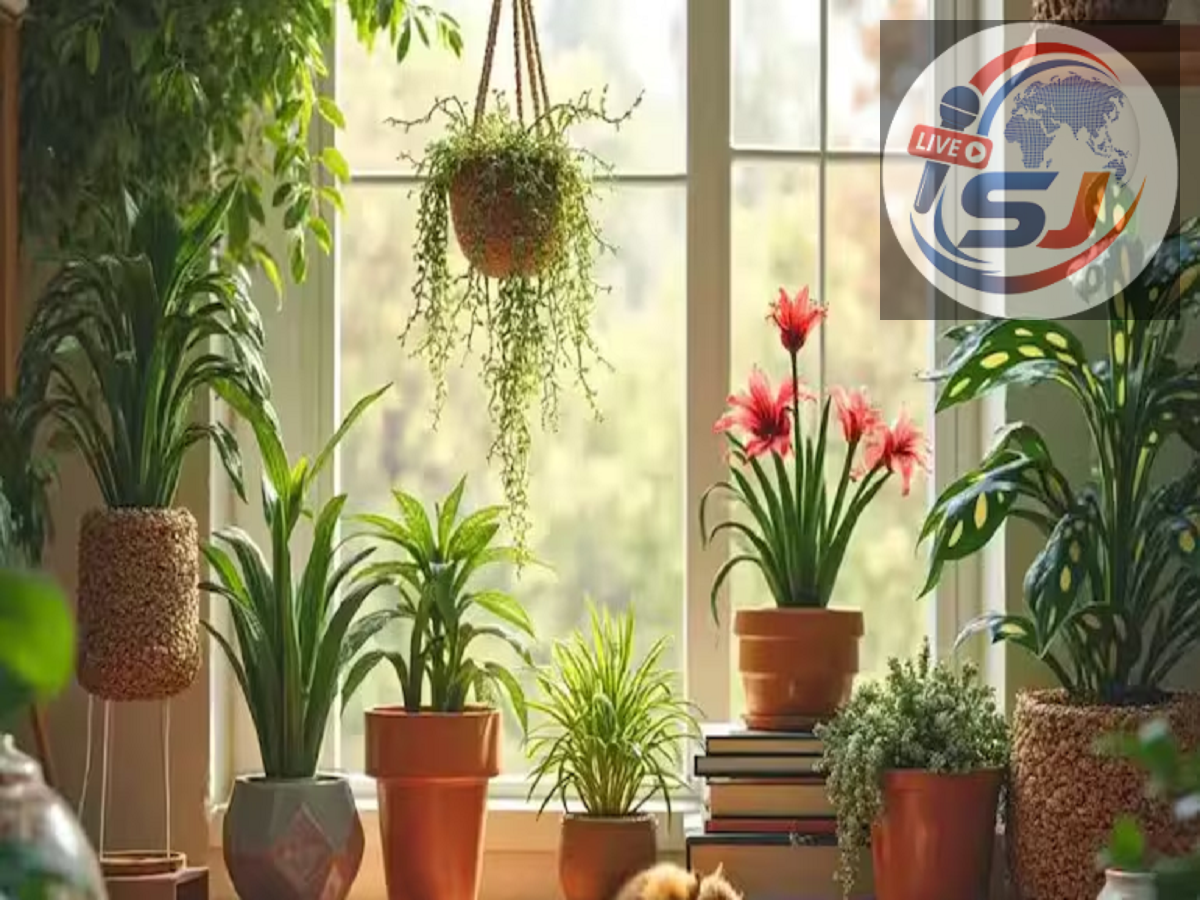
Feng Shui Plants for Home: A skylight or roshandan is usually seen as a practical feature that allows natural light and ventilation into a home. However, with the right plants, this small architectural space can also become an attractive green corner.
Placing plants near a skylight can make an indoor area look fresher, softer and more inviting. In Feng Shui traditions, healthy green plants are also associated with growth, balance, positive energy and abundance. While these beliefs are cultural rather than scientifically proven, many homeowners choose plants as a way to create a calmer and more pleasant atmosphere.
The key is to choose greenery according to the amount of sunlight, ventilation and available space around the skylight. A plant that thrives in bright light may struggle in a shaded corner, while a large tree may not be suitable for a compact indoor area.
Here are five plants and trees that can be considered for larger skylight spaces, courtyards or well-lit sections of the home.
1. Barringtonia
Barringtonia is known for its lush appearance and eye-catching flowers. It is more suitable for homes with spacious courtyards, large skylights or semi-open areas where the plant has enough room to develop.
In Feng Shui-inspired beliefs, a healthy flowering tree is often connected with prosperity, peace and positive energy. Barringtonia can also create a strong natural focal point in an otherwise plain area.
The plant generally prefers good sunlight and nutrient-rich soil. Regular watering is important, but drainage should not be ignored. Excess water around the roots can damage the plant, so the soil should allow moisture to escape easily.
Because of its eventual size, Barringtonia is better suited to open or large spaces rather than a small indoor corner.
2. Taiwanese Terminalia Catappa
Taiwanese Terminalia Catappa can be an attractive option for homes with a large, bright skylight area. Its foliage gives a natural look without necessarily making the surrounding space appear overly dense.
According to Feng Shui-related beliefs, green plants with balanced growth are often associated with calmness, harmony and positive surroundings.
This plant prefers plenty of sunlight and regular watering. Well-drained soil is important, especially in containers or areas where rainwater or irrigation water might otherwise collect.
Adequate growing space is another major consideration. Before planting any large species near a skylight or courtyard, homeowners should take into account future height, root spread and maintenance requirements.
3. Money Tree
A money tree is among the most popular choices for people who like combining indoor greenery with Feng Shui symbolism.
Its dense green leaves make it visually attractive, while traditional Feng Shui beliefs associate the plant with prosperity, financial growth, luck and success. This symbolic connection is one reason why money trees are commonly placed in homes and offices.
A money tree can work well near a skylight because it generally prefers bright light, although many varieties can also tolerate some indirect or filtered light.
Watering should be controlled. Instead of keeping the soil constantly wet, allow the upper layer to dry before watering again. Good drainage is particularly important because waterlogged soil can harm the roots.
For smaller skylights, a potted money tree can be more practical than planting a larger tree directly into the ground.
4. Starfruit Tree
The starfruit tree is valued not only for its foliage but also for its small flowers and distinctive edible fruit.
In a spacious open courtyard or a home with a large skylight opening, it can add a tropical and natural character to the surroundings. Traditional beliefs sometimes connect fruit-bearing trees with abundance, family harmony and prosperity.
The tree requires regular watering, but the soil should not remain waterlogged. Periodic pruning can help control its shape and encourage healthier growth, especially where space is limited.
Fertilisation may also be needed depending on the soil and growing conditions. Since a starfruit tree can become fairly large, it should only be chosen where there is sufficient space for roots and branches to grow safely.
5. Frangipani or Plumeria
Frangipani, also known as Plumeria, is widely recognised for its fragrant flowers, which can appear in shades of white, pink and pale yellow.
Its thick branches, glossy foliage and colourful flowers can make a skylight courtyard or open passage look more decorative. In several traditional belief systems, Plumeria is associated with peace, purity, good fortune and spiritual calmness.
The plant generally performs best in bright sunlight, making it suitable for open and well-lit skylight areas.
It should be watered according to need rather than on a rigid schedule. Well-draining soil is essential, as excessive moisture around the roots may cause problems.
Regular pruning can also help maintain the plant's shape and prevent it from becoming too large for the available area.
How to Choose the Right Plant for a Skylight
The most important factor is not Feng Shui symbolism but whether the plant is suitable for the actual growing conditions.
First, observe how much sunlight reaches the skylight throughout the day. Some plants need several hours of direct sunlight, while others prefer bright but indirect light.
Space is equally important. A large tree may look attractive initially, but over time its roots, branches and height could become difficult to manage.
Drainage should also be checked before placing pots or creating a permanent planting bed. Water accumulation can damage plants and may also create dampness around walls or flooring.
Homeowners should also consider how frequently they can water, prune and maintain the plant. Choosing greenery that suits the household's routine usually leads to healthier plants in the long run.
Plants Can Make a Skylight Area More Inviting
A skylight does not have to remain an empty architectural feature. With suitable greenery, it can become one of the most attractive corners of a home.
Money trees, Plumeria, Barringtonia, Terminalia and starfruit trees can all add freshness and character when chosen according to the available space and light.
Feng Shui traditions may associate such plants with prosperity, harmony and positive energy, but their more practical benefit is straightforward: healthy greenery can make a home feel more natural, colourful and visually relaxing.
Disclaimer: Feng Shui beliefs are based on traditional and cultural practices and are not scientifically proven to bring wealth, luck or prosperity. Plant selection should primarily be based on space, sunlight, climate and maintenance requirements.