
Diwali 2026: Why Cooking Food at Home for Five Days From Dhanteras to Bhai Dooj Is Considered Auspicious
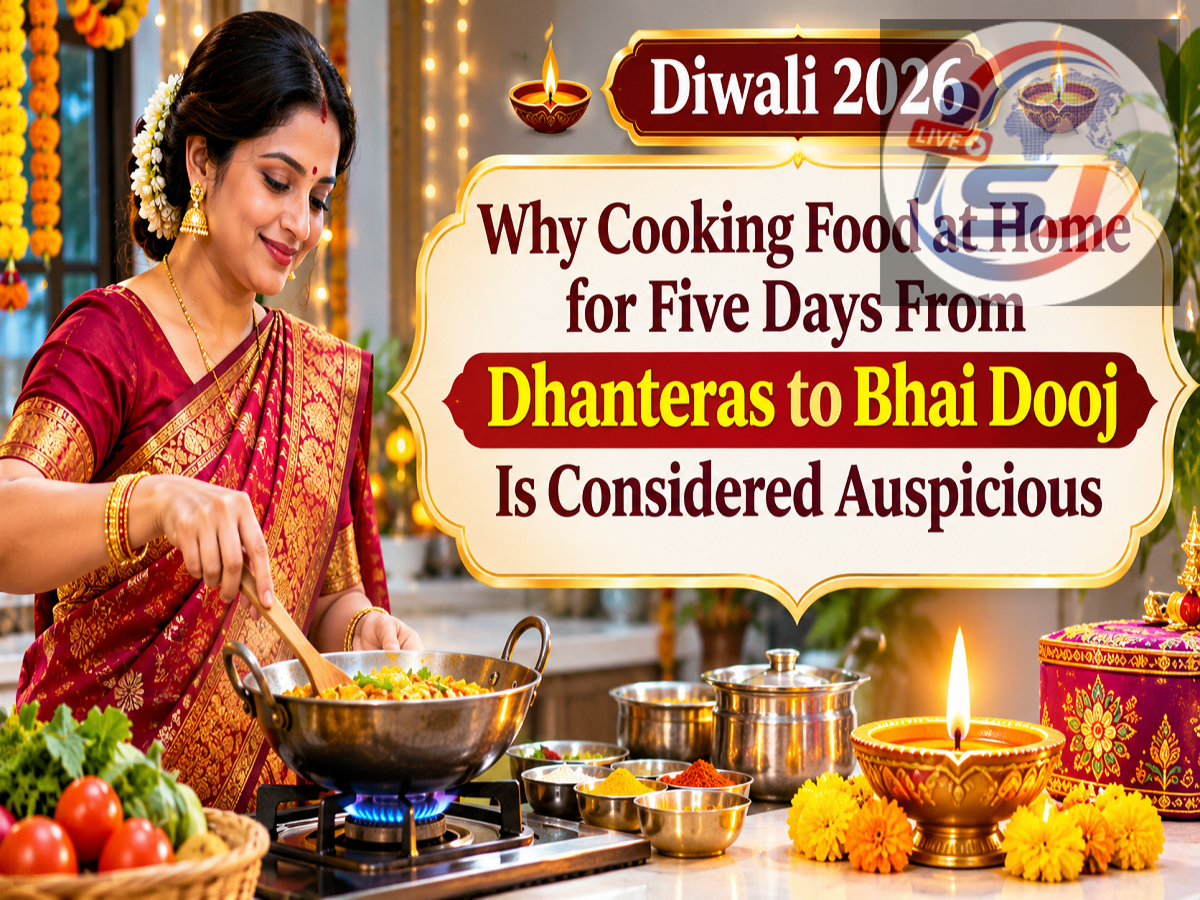
Diwali 2026 Traditions: The festive season is approaching, bringing with it several important Hindu celebrations, including Dhanteras, Narak Chaturdashi, Diwali, Govardhan Puja and Bhai Dooj. These festivals are associated with prosperity, happiness, family togetherness and religious traditions. While decorating homes, lighting diyas and performing Lakshmi Puja are familiar customs, another interesting tradition involves preparing food at home throughout the festive period.
According to traditional beliefs, placing a kadhai (Indian cooking pan or wok) on the stove and preparing fresh food during the Deepotsav celebrations is considered auspicious. Many families believe that keeping the kitchen active during these festive days symbolises abundance, nourishment and prosperity.
The 2026 festive observances are spread across November 6 to November 11, although the exact dates and rituals may differ according to regional calendars and family customs.
Why Is Cooking in a Kadhai Considered Auspicious During Diwali?
In many Indian households, the kitchen is regarded as an important symbol of nourishment and well-being. Food prepared at home is traditionally associated with love, care and hospitality.
During Diwali, families often prepare sweets, savoury snacks and special festive dishes to celebrate the occasion.
According to certain traditional beliefs, cooking something in a kadhai each day during the festive period is a way of welcoming prosperity and maintaining a positive atmosphere at home.
The custom is also linked symbolically with Goddess Annapurna, who is worshipped as the divine provider of food and nourishment.
However, this is a cultural and religious belief rather than a universally prescribed Hindu ritual. Different families and communities follow different practices.
Dhanteras to Bhai Dooj: Five Important Festivals of Deepotsav
The Deepotsav period traditionally includes five major celebrations, each carrying its own religious and cultural importance.
1. Dhanteras: Beginning of the Festive Celebrations
Dhanteras marks the beginning of the traditional five-day Diwali festival.
On this occasion, devotees worship Lord Dhanvantari and seek blessings for health and prosperity. Many households purchase utensils, gold, silver or other useful items as part of the festive tradition.
Preparing homemade sweets or traditional dishes is also a common way to begin the celebrations.
2. Narak Chaturdashi: A Festival Associated With Cleansing and Positivity
Narak Chaturdashi, also known as Chhoti Diwali in several regions, is associated with the victory of good over evil.
Families traditionally clean their homes, light lamps and prepare festive food.
Some households make special snacks or sweets that can be shared with relatives and neighbours during Diwali.
3. Diwali: Celebrating Prosperity and Family Happiness
Diwali is one of the most widely celebrated Hindu festivals.
Devotees worship Goddess Lakshmi and Lord Ganesha, decorate their homes with lights and rangoli, and exchange sweets with loved ones.
Preparing fresh food at home is considered an important part of the celebration in many families. Traditional dishes are often offered during worship before being shared as prasad.
4. Govardhan Puja: Celebrating Food and Gratitude
Govardhan Puja is closely associated with Lord Krishna and the tradition of Annakut.
In many temples and households, devotees prepare a variety of vegetarian dishes as offerings.
This celebration highlights gratitude for food, nature and the resources that support daily life.
5. Bhai Dooj: Celebrating the Bond Between Siblings
Bhai Dooj honours the relationship between brothers and sisters.
On this occasion, sisters traditionally perform tilak ceremonies and pray for their brothers' well-being.
Special homemade meals and sweets are often prepared, making the kitchen an important part of the family celebration.
What Does Vastu Shastra Say About Cooking During Diwali?
Vastu Shastra traditionally associates the kitchen with the fire element, which represents energy, transformation and purification.
The southeast direction, known as the Agneya corner, is commonly regarded as a suitable location for the kitchen in Vastu traditions.
Cooking involves transforming raw ingredients into nourishing meals through heat, giving the kitchen symbolic importance in these beliefs.
For this reason, some traditional interpretations encourage families to prepare fresh food during major festivals rather than relying entirely on restaurant meals or packaged products.
This belief does not mean that ordering food brings bad luck or financial problems. The significance is primarily cultural and symbolic.
Five Simple Homemade Dishes to Prepare During Deepotsav
Families wishing to follow this tradition can prepare different dishes on the five major festive occasions.
| Festival |
Suggested Homemade Dish |
|---|---|
| Dhanteras |
Suji halwa or homemade laddoos |
| Narak Chaturdashi |
Mathri or namak pare |
| Diwali |
Kheer, puri or traditional sweets |
| Govardhan Puja |
Annakut vegetables or halwa |
| Bhai Dooj |
Puri-sabzi or a favourite family dessert |
These are optional suggestions rather than compulsory religious offerings. Families can select dishes based on their regional customs, dietary preferences and budgets.
Is It Necessary to Cook Elaborate Meals Every Day?
There is no need to prepare expensive or complicated meals throughout the celebrations.
Even a simple homemade dish can help families participate in the tradition. The emphasis is on keeping the custom alive, sharing food and spending time together.
In earlier generations, Diwali preparations often involved several family members working together to make sweets and snacks. These activities created opportunities for conversation, cooperation and the passing down of family recipes.
Although modern lifestyles have made ready-made food more convenient, preparing even one dish at home can preserve this aspect of festive celebrations.
Diwali 2026 Festival Dates
The principal festival dates commonly listed for 2026 are:
-
November 6: Dhanteras
-
November 7: Chhoti Diwali-related observances
-
November 8: Diwali and Lakshmi Puja
-
November 10: Govardhan Puja and Annakut
-
November 11: Bhai Dooj
November 9 falls between the main Diwali celebration and Govardhan Puja in this calendar. Some regional traditions and Panchangs differ in their observances, so devotees should check local dates.
Final Thoughts
The tradition of cooking in a kadhai during Deepotsav reflects the importance of food, hospitality and family relationships in Indian culture.
While Vastu beliefs associate an active kitchen with prosperity and positive energy, the practical value of the custom lies in preparing and sharing meals with loved ones.
Families celebrating Diwali 2026 can observe this tradition in a simple and meaningful way by preparing homemade dishes according to their preferences and resources.