
Diwali 2026: Three Spiritual Traditions the Ambani Family Follows to Honour Goddess Lakshmi
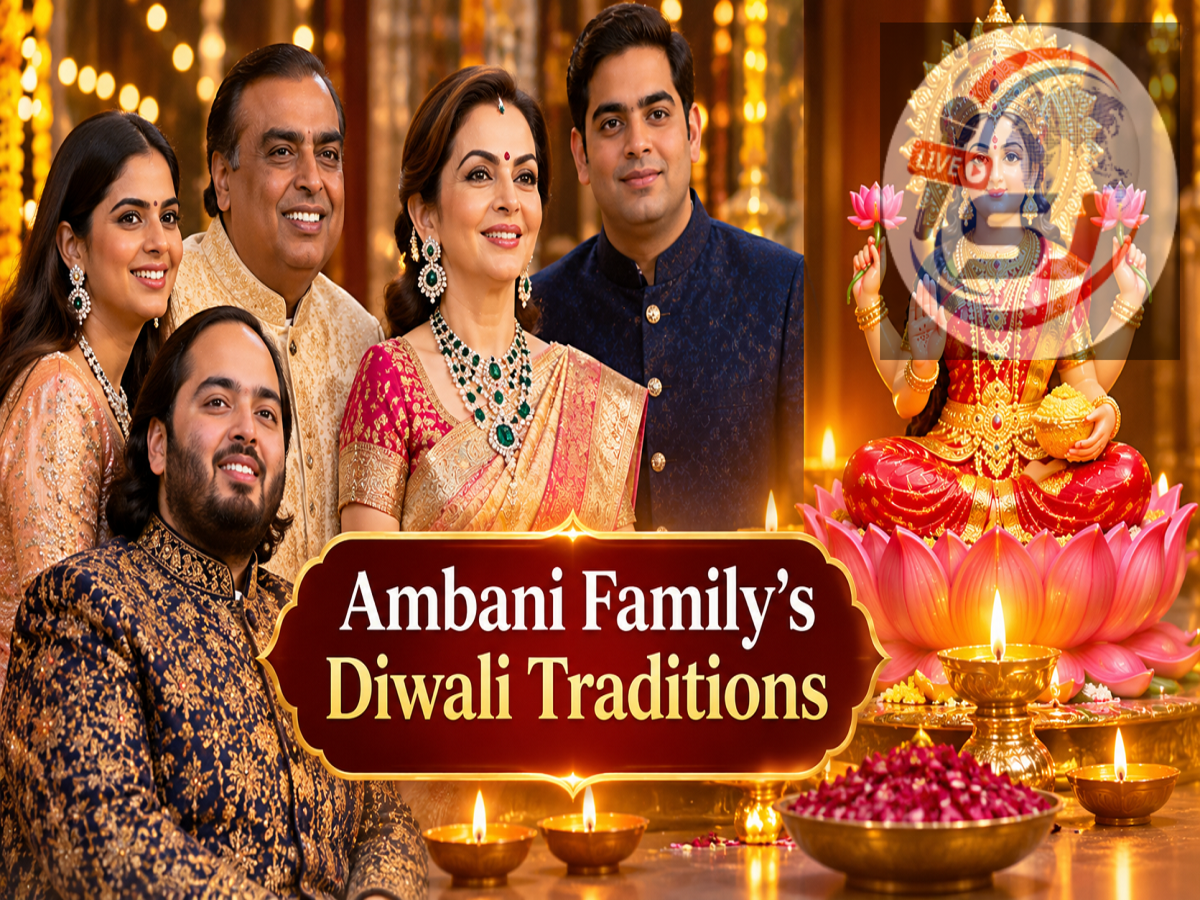
Ambani Family Diwali Traditions 2026: As India celebrates Diwali, the festival of lights, the religious customs followed by prominent business families are attracting attention. Among them, the Ambani family is widely known for its association with Hindu traditions, elaborate religious ceremonies and charitable activities. Their devotion to Goddess Lakshmi, who represents wealth and prosperity in Hindu belief, reflects the importance they place on spirituality alongside their business and family responsibilities.
According to a report published by Aaj Tak on November 7, 2026, three traditional practices associated with the Ambani household are particularly relevant during Diwali. These include maintaining a spiritually disciplined lifestyle, participating in religious worship and performing acts of charity and service.
While the family's financial success is well documented, the belief that religious practices attract Goddess Lakshmi's blessings is a matter of faith rather than a scientifically established explanation for wealth.
Why Is Goddess Lakshmi Worship Important During Diwali?
Diwali is traditionally associated with the worship of Goddess Lakshmi and Lord Ganesha. Goddess Lakshmi symbolises prosperity, good fortune and abundance, while Lord Ganesha represents wisdom and the removal of obstacles.
In Hindu religious traditions, prosperity is often understood as something broader than financial wealth. It may also include family harmony, ethical behaviour, generosity, peace of mind and a sense of responsibility towards others.
Many families therefore combine Lakshmi Puja with charitable activities, household cleanliness and religious observances.
The Ambani family's public participation in temple ceremonies and religious events reflects some of these long-established traditions.
1. Following a Sattvic Lifestyle and Respecting Religious Values
One of the central principles highlighted in the report is the importance of sattvic living, a concept associated with purity, self-discipline, moderation and positive conduct.
In Hindu philosophy, sattva represents qualities such as clarity, balance, compassion and harmony.
A sattvic lifestyle is not limited to dietary habits. It also emphasises respectful behaviour, responsible actions, personal discipline and the cultivation of constructive thoughts.
The Ambani family has frequently been associated with religious customs and traditional ceremonies during important family occasions.
In the context of Diwali, this principle highlights the belief that prosperity should be accompanied by humility, ethical conduct and gratitude.
Traditional teachings often describe a peaceful and respectful household as an appropriate environment for welcoming Goddess Lakshmi.
However, these ideas are spiritual interpretations rather than guarantees of financial success.
2. Giving Importance to Worship, Fasting and Religious Ceremonies
Religious worship forms another important part of the family's publicly visible traditions.
Members of the Ambani family have participated in temple visits, prayer ceremonies and major Hindu religious celebrations.
Mukesh Ambani, Nita Ambani and other family members have been seen attending religious events and offering prayers at prominent temples.
Such observances reflect the significance of devotion and continuity of family traditions.
During Diwali, Hindu households commonly perform Lakshmi-Ganesh Puja, light earthen lamps and offer sweets, flowers and other traditional items.
Some families also observe fasting or organise special ceremonies according to their customs.
The spiritual significance of these practices lies in expressing gratitude, seeking divine guidance and reinforcing family relationships.
In traditional belief, regular worship is considered a way of cultivating discipline and maintaining a connection with spiritual values.
3. Practising Charity, Community Service and Animal Welfare
The third important principle associated with the Ambani family is the belief that wealth should also be used to support society.
According to Aaj Tak, charitable activities, religious donations and service initiatives are significant aspects of the family's public life.
The report mentions community meals organised during family wedding celebrations and animal welfare activities associated with Vantara, the wildlife rescue and conservation initiative linked to Anant Ambani.
In Hindu traditions, daan (charity) and seva (selfless service) are considered important expressions of compassion and social responsibility.
The underlying belief is that prosperity becomes more meaningful when it is accompanied by generosity and a willingness to help others.
What Does Mukesh Ambani's Horoscope Suggest According to Astrology?
The original report also examines Mukesh Ambani's birth chart through the lens of Vedic astrology.
According to the astrological interpretation presented, Venus and Ketu are positioned together in the sixth house of his horoscope.
Venus is traditionally associated with luxury, wealth and material comforts, while Ketu represents detachment and spiritual inclination.
The report interprets this combination as suggesting that financial prosperity should be accompanied by freedom from excessive attachment to wealth.
It also discusses Jupiter's influence on this planetary combination, associating it with charitable activities and religious giving.
These interpretations are based on astrological beliefs. They should not be regarded as verified explanations of Mukesh Ambani's business achievements or financial position.
Religious Practices Followed by Different Ambani Family Members
The report highlights several religious associations within the family.
Mukesh Ambani is described as a devotee of Lord Ganesha, while Nita Ambani is reported to observe fasting during the nine days of Navratri.
The family's devotion to Shrinathji is another notable element of its religious traditions, particularly through Mukesh Ambani's mother.
Religious symbolism associated with Shrinathji was also incorporated into the wedding celebrations of Anant Ambani and Radhika Merchant.
These examples illustrate how spiritual traditions remain visible during important family occasions, even as the family maintains an extensive business presence.
What Can Families Learn From These Three Traditions During Diwali?
The practices discussed in the report reflect three broader principles found in Hindu religious teachings: disciplined living, devotion and generosity.
Families celebrating Diwali can interpret these ideas in ways that suit their circumstances. Maintaining a peaceful household, participating in prayers and helping people in need do not require substantial financial resources.
Small acts of kindness, responsible spending, charitable contributions and spending meaningful time with loved ones can also form part of the festive celebrations.
The central spiritual message is that prosperity is not viewed solely in terms of money, but also through personal conduct, compassion and relationships.
Conclusion
The Ambani family's religious practices have drawn public interest because they combine visible devotion, traditional ceremonies and philanthropic initiatives with the family's prominent business identity.
As Diwali 2026 is celebrated, the three principles highlighted in the report—sattvic living, regular worship and charitable service—offer a perspective on how Hindu traditions connect prosperity with ethical and spiritual values.
While the blessings of Goddess Lakshmi are understood through faith, the importance of generosity, responsible conduct and community welfare extends beyond religious belief.