
Dhanteras 2026: Avoid Buying These 5 Items on Dhanteras, Know What Hindu Traditions Say
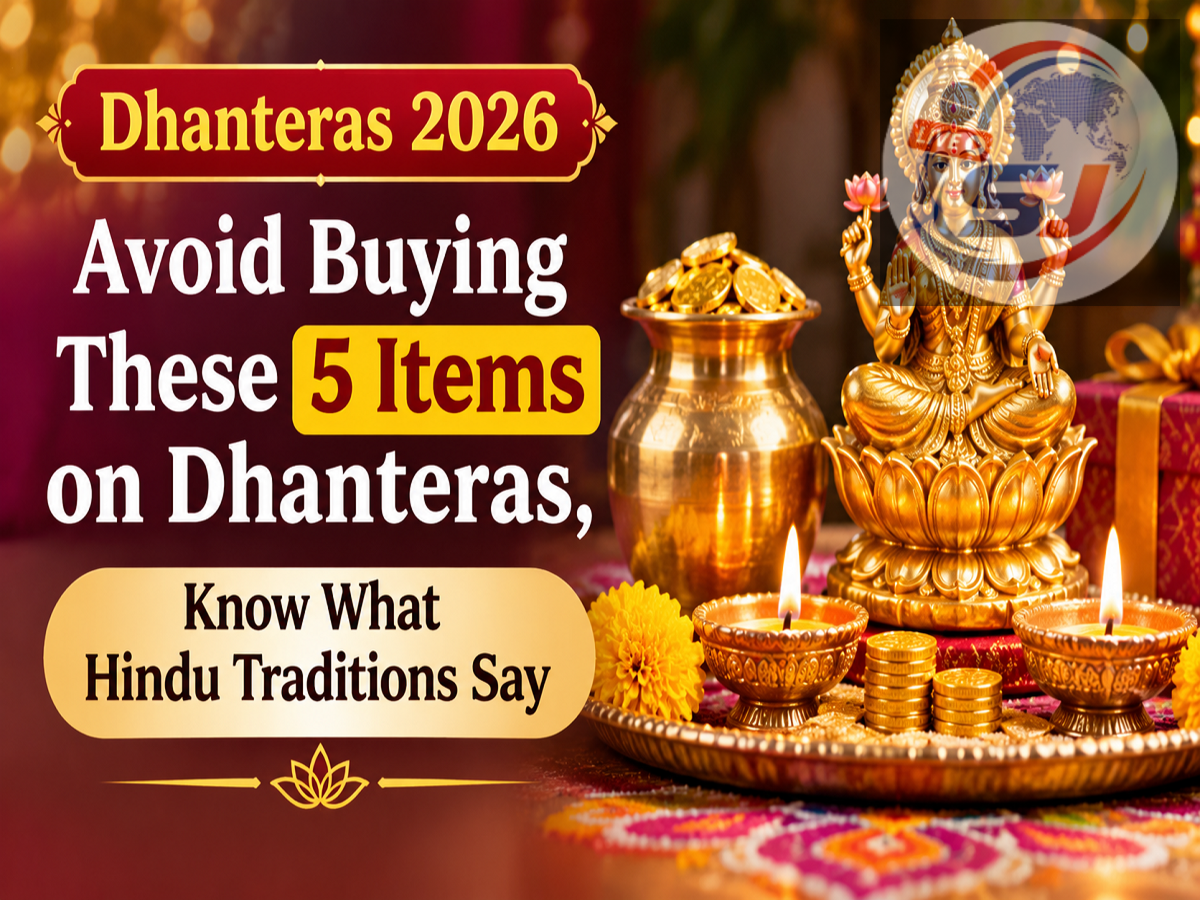
Dhanteras 2026 Shopping Tips: Dhanteras is one of the most significant festivals in the Hindu calendar and marks the beginning of the five-day Diwali celebrations. The occasion is associated with prosperity, wealth, good fortune and the worship of Lord Dhanvantari, Goddess Lakshmi and Lord Kubera. Buying new items on Dhanteras is considered auspicious in many Hindu households, particularly gold, silver, utensils and other household essentials.
However, traditional beliefs also suggest that certain products should be avoided during Dhanteras shopping. According to popular religious customs and astrological interpretations, some materials and objects are considered less favourable for purchases on this occasion.
If you are preparing your Dhanteras shopping list, here are five categories of items that some traditions recommend avoiding and the beliefs associated with them.
1. Iron Items: Traditionally Associated With Lord Shani
Iron is among the materials that some astrologers advise against purchasing on Dhanteras.
In Hindu astrology, iron is commonly associated with Lord Shani, or Saturn. Certain traditional interpretations suggest that bringing newly purchased iron objects into the house on this occasion may be considered inauspicious.
For this reason, some families avoid purchasing iron utensils, iron furniture and other iron-based household products during Dhanteras.
However, this restriction is not universally followed. Many households purchase practical items according to their needs, and there is no scientific evidence that buying iron affects financial prosperity or personal well-being.
2. Glass Products: Believed to Be Connected With Rahu
Glass items are another category that some religious traditions discourage people from buying on Dhanteras.
According to certain astrological beliefs, glass is associated with Rahu, a shadow planet in Vedic astrology.
Some followers believe that purchasing glass objects on an auspicious occasion may symbolically invite instability or obstacles.
Therefore, people who follow these customs may avoid buying glass bowls, decorative glassware, mirrors and similar products on Dhanteras.
It is important to understand that these associations are matters of religious belief rather than established facts. Glass products do not inherently bring misfortune.
3. Sharp Objects: Knives, Scissors and Blades
Certain traditional customs recommend avoiding sharp or cutting objects during Dhanteras shopping.
These may include kitchen knives, scissors, blades and other pointed tools.
In popular religious interpretations, sharp objects are sometimes associated with separation, conflict or negative symbolism.
Since Dhanteras is celebrated as a festival of prosperity and positive beginnings, some families prefer to purchase items representing growth, stability and abundance instead.
However, there is no universal religious prohibition against buying knives or scissors on this day. The practice depends largely on regional traditions and individual beliefs.
4. Black-Coloured Items: Considered Unfavourable in Some Traditions
Some people also avoid purchasing black-coloured products during Dhanteras.
In certain Hindu customs, black is associated with Saturn and is sometimes considered unsuitable for specific auspicious ceremonies.
As a result, some families prefer not to buy black clothing, accessories, decorative items or household products during the festival.
Instead, they may choose colours traditionally associated with prosperity and celebration, such as yellow, red, gold or white.
Nevertheless, the meaning of colours varies across communities and religious practices. Black is also considered significant and auspicious in several other Hindu traditions.
Therefore, avoiding black items on Dhanteras should be understood as a customary preference rather than a mandatory rule.
5. Empty Utensils: A Popular Belief About Prosperity
Buying new utensils is one of the most widely followed Dhanteras traditions.
Many families purchase steel, brass, copper or silver utensils as symbols of household prosperity.
However, according to a popular custom, newly purchased utensils should not be brought into the house completely empty.
Some households place rice, grains, water or coins inside the utensils before bringing them into the home.
This practice symbolically represents abundance, nourishment and financial stability.
The belief is rooted in traditional symbolism, and there is no evidence that bringing home an empty utensil causes financial difficulties.
What Should You Buy on Dhanteras 2026?
While some traditions discourage certain purchases, several items are widely regarded as auspicious during Dhanteras.
| Item |
Traditional Significance |
|---|---|
| Gold jewellery or coins |
Associated with wealth and prosperity |
| Silver coins or utensils |
Symbolise purity and good fortune |
| Brass utensils |
Traditionally linked with religious rituals |
| Copper vessels |
Commonly used in household worship |
| Diyas and puja essentials |
Represent light and positive beginnings |
| New household necessities |
Symbolise renewal and progress |
Many families also purchase electronics, vehicles, appliances and other valuable items during the festive season.
However, buying expensive products is not a religious requirement. Devotees can celebrate Dhanteras through prayers, lighting lamps, charity and spending time with family.
Why Is Shopping Considered Auspicious on Dhanteras?
The word Dhanteras is derived from Dhan, meaning wealth, and Teras, referring to the thirteenth lunar day.
The festival is observed on Krishna Paksha Trayodashi during the period associated with Diwali.
According to Hindu mythology, Lord Dhanvantari emerged during the Samudra Manthan, or churning of the cosmic ocean, carrying a pot of Amrit.
For this reason, the day is associated with health, longevity and well-being.
Worship of Goddess Lakshmi and Lord Kubera is also an important part of Dhanteras celebrations in many households.
People traditionally clean their homes, decorate entrances with rangoli, light earthen lamps and offer prayers for happiness and prosperity.
Important Things to Remember Before Dhanteras Shopping
Dhanteras shopping traditions differ across regions, families and religious communities.
Some households follow detailed astrological recommendations, while others focus primarily on prayer, charity and purchasing useful household products.
The belief that particular items attract negative energy or financial difficulties is not supported by scientific evidence.
People should therefore make shopping decisions according to their requirements, financial circumstances and personal beliefs.
Avoiding unnecessary expenses and purchasing only useful products can also help families celebrate the festival without financial pressure.
Conclusion
Dhanteras 2026 is an occasion to celebrate prosperity, health and new beginnings. According to certain traditional beliefs, people may prefer to avoid purchasing iron products, glass items, sharp objects, black-coloured goods and bringing home empty utensils.
However, these practices are based on religious customs and astrological interpretations, not proven consequences. The festival's central message remains one of gratitude, positivity, family happiness and spiritual well-being.
Whether you purchase gold, silver, utensils or simply light a diya at home, Dhanteras can be celebrated meaningfully without expensive shopping.