
Bhai Dooj 2026: Sarvartha Siddhi Yoga Brings Auspicious Morning Tilak Muhurat on November 11
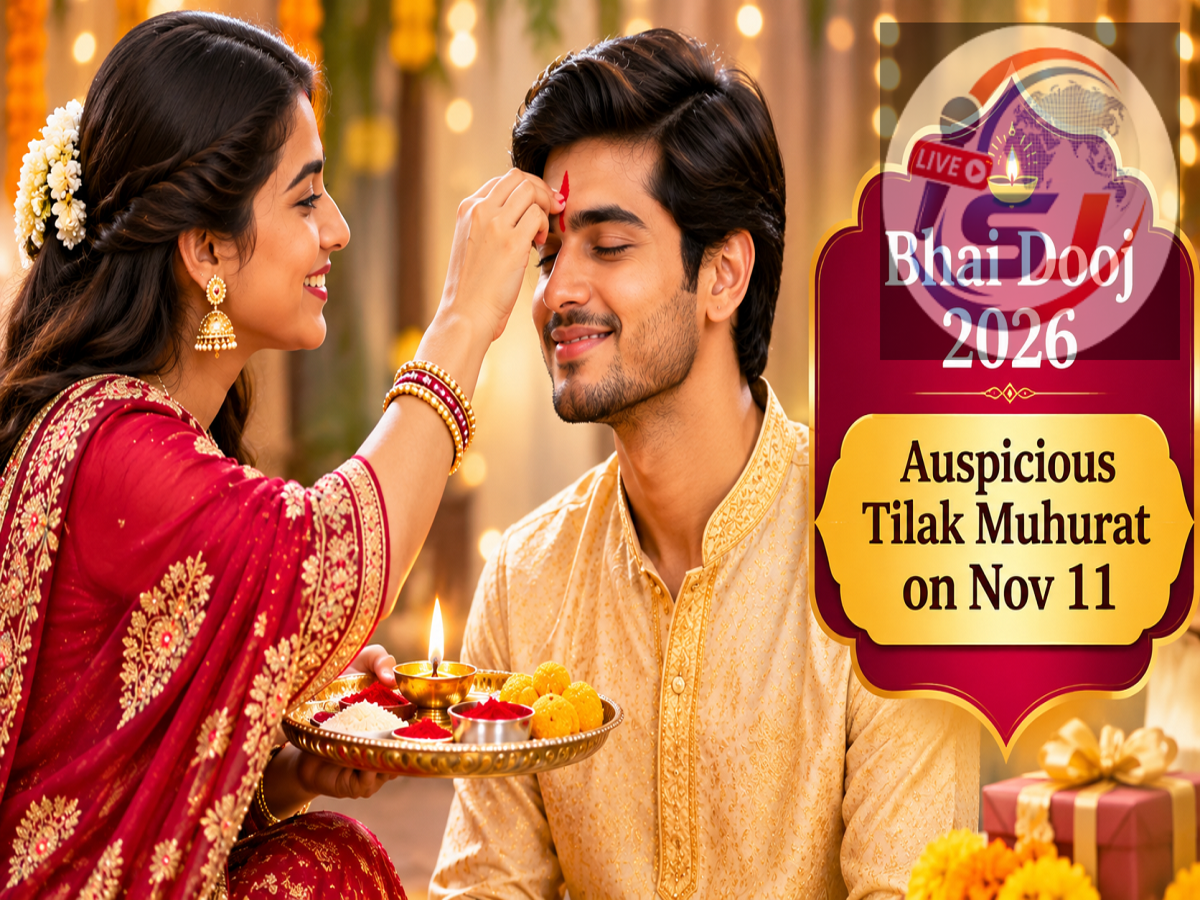
Bhai Dooj 2026 Shubh Muhurat: The festival of Bhai Dooj will be celebrated across India on Wednesday, November 11, 2026. This year, devotees will have an additional auspicious period in the morning to perform the traditional tilak ceremony. According to astrologer Arunesh Kumar Sharma, Sarvartha Siddhi Yoga will remain active from 6:40 AM to 11:38 AM, offering families an opportunity to complete the rituals before noon. Another favorable period for applying tilak falls in the afternoon.
Bhai Dooj celebrates the special relationship between brothers and sisters and traditionally marks the conclusion of the five-day Diwali festivities. On this occasion, sisters pray for their brothers' health, happiness, prosperity and long lives, while brothers express their affection through gifts and promises of lifelong support.
Bhai Dooj 2026 Date: Why Is the Festival on November 11?
The date of Bhai Dooj is determined according to the Hindu lunar calendar. The festival is observed during Dwitiya Tithi of Kartik Shukla Paksha, which falls after Diwali and Govardhan Puja.
In 2026, Dwitiya Tithi begins on November 10 at 2:00 PM and continues until November 11 at 3:53 PM.
Since Dwitiya Tithi remains active at sunrise on November 11, the festival will be celebrated on Wednesday.
The difference between the beginning of the lunar date and the festival's observance has created some confusion. However, the traditional calendar calculation confirms November 11 as the date for Bhai Dooj celebrations.
Sarvartha Siddhi Yoga on Bhai Dooj 2026: Check Morning Timings
One of the major astrological highlights of Bhai Dooj this year is the occurrence of Sarvartha Siddhi Yoga.
According to astrologer Arunesh Kumar Sharma, this favorable combination will begin at 6:40 AM and remain effective until 11:38 AM on November 11.
In traditional Hindu astrology, Sarvartha Siddhi Yoga is regarded as an auspicious period for beginning meaningful activities and performing religious ceremonies.
The morning timing may be particularly convenient for families who prefer completing their Bhai Dooj rituals early in the day.
However, Sarvartha Siddhi Yoga is an astrological concept, and its supposed influence on success or prosperity is based on religious belief rather than scientific evidence.
Bhai Dooj 2026 Tilak Muhurat: Morning and Afternoon Timings
Two auspicious periods have been highlighted for performing the Bhai Dooj tilak ceremony.
| Important Event |
Date and Timing |
|---|---|
| Bhai Dooj |
November 11, 2026 |
| Dwitiya Tithi Begins |
November 10, 2:00 PM |
| Dwitiya Tithi Ends |
November 11, 3:53 PM |
| Sarvartha Siddhi Yoga |
6:40 AM – 11:38 AM |
| Morning Tilak Period |
6:40 AM – 11:38 AM |
| Afternoon Tilak Muhurat |
1:10 PM – 3:20 PM |
The afternoon timing of 1:10 PM to 3:20 PM applies to New Delhi. Muhurat calculations may differ in other cities because of variations in sunrise and sunset.
Families can follow their customary traditions and consult their local Panchang when choosing the appropriate time.
Bhai Dooj Puja Samagri 2026: What Should Be Included in the Tilak Thali?
Preparing a traditional puja thali is an important part of Bhai Dooj celebrations.
The ceremonial plate generally contains items associated with blessings, purity, prosperity and family well-being.
The following materials are commonly used:
-
Roli or kumkum for applying the tilak
-
Sindoor and sandalwood paste
-
Akshat, or unbroken rice grains
-
Fresh flowers and a flower garland
-
A diya with oil or ghee and a cotton wick
-
Coconut, betel leaves and betel nuts
-
Kalava or sacred thread
-
Durva grass
-
Sweets, fruits and batasha
-
A silver coin, according to family tradition
Not every item is compulsory in all communities. Families may prepare the puja thali according to their regional customs and available materials.
Bhai Dooj Puja Vidhi: How to Perform the Tilak Ceremony
Bhai Dooj rituals are traditionally performed with devotion and affection. Although practices vary across different regions, the ceremony generally follows a familiar sequence.
1. Begin with morning preparations: Family members bathe and wear clean clothes before preparing for the religious ceremony.
2. Prepare the worship area: A clean space is selected, and some families create a traditional chowk using rice flour or rice paste.
3. Arrange the puja thali: The sister places the required ceremonial materials, including tilak, rice, flowers, sweets and a diya, on a decorated plate.
4. Invite the brother to sit: The brother sits at the designated place. In some traditions, both siblings cover their heads with a scarf, handkerchief or other clean cloth.
5. Apply the sacred tilak: During the chosen Muhurat, the sister places roli or kumkum on her brother's forehead and offers akshat.
6. Perform aarti and offer sweets: The sister performs aarti and prays for her brother's long life, health and happiness. Sweets and other traditional offerings are then shared.
7. Exchange gifts and blessings: After the ceremony, the brother may present a gift to his sister as a symbol of affection and gratitude.
These customs are intended to strengthen family relationships and express mutual care and respect.
Why Is Bhai Dooj Also Known as Yama Dwitiya?
Bhai Dooj has a special place in Hindu mythology because of its association with Yama, the deity of death, and his sister Yamuna.
According to a traditional religious account, Yamuna invited her brother Yama to visit her home. When he arrived, she welcomed him with affection, performed his tilak and served him a meal.
Pleased with his sister's hospitality, Yama granted a blessing associated with the well-being and longevity of brothers who receive tilak from their sisters on this occasion.
This belief is one reason Bhai Dooj is also called Yama Dwitiya.
The festival is celebrated under different regional names, including Bhau Beej in Maharashtra and Bhai Phonta in West Bengal.
What Is the Importance of Sarvartha Siddhi Yoga During Bhai Dooj?
Sarvartha Siddhi Yoga is traditionally associated with favorable beginnings and the successful completion of important activities.
Its occurrence on Bhai Dooj is considered significant by devotees who follow Hindu astrology.
The combination of Dwitiya Tithi and the morning Sarvartha Siddhi Yoga provides an additional traditional Muhurat for families wishing to perform the tilak ceremony before noon.
Nevertheless, the central purpose of Bhai Dooj extends beyond selecting a particular auspicious period.
The festival encourages siblings to maintain strong relationships, support one another during difficult times and celebrate the emotional bonds that connect families.
Bhai Dooj 2026: Important Things to Remember
Bhai Dooj will be observed on November 11, with Dwitiya Tithi continuing until 3:53 PM.
Families following the morning Muhurat can perform the tilak ceremony during Sarvartha Siddhi Yoga between 6:40 AM and 11:38 AM, as recommended in the Aaj Tak report.
The afternoon period from 1:10 PM to 3:20 PM is another traditionally recommended option for New Delhi.
Whether celebrated in the morning or afternoon, Bhai Dooj remains an occasion for expressing love, gratitude and blessings between brothers and sisters.
Disclaimer: Auspicious timings and astrological interpretations are based on traditional Hindu beliefs. Exact Muhurat timings can vary by location.