
8 Simple Vastu Tips Believed to Bring Peace, Positivity, and Prosperity Into Your Home

A calm and harmonious home is something every family hopes for. While conflicts and stress can arise for many practical reasons, some people also turn to traditional Vastu Shastra for guidance in creating a more positive living environment. According to these age-old beliefs, maintaining cleanliness, allowing fresh air and sunlight inside, and following a few simple household practices may help promote a peaceful atmosphere.
It is important to note that these suggestions are rooted in traditional Vastu principles and cultural beliefs. They should not be viewed as scientifically proven methods or guaranteed solutions. However, many people include these practices in their daily routines as part of their personal faith and lifestyle.
Why Vastu Matters to Many Households
Vastu Shastra is an ancient Indian architectural tradition that focuses on balancing the elements within a living space. Followers believe that the arrangement of a home, its cleanliness, natural lighting, and daily habits can influence the overall environment and emotional well-being of its residents.
Whether or not one believes in Vastu, keeping a home clean, organized, and well-ventilated can contribute to a more pleasant and comfortable living space.
1. Let Sunlight and Fresh Air Enter Your Home
One of the simplest practices recommended in Vastu is allowing natural sunlight and fresh air to circulate throughout the house.
Opening windows and doors for a while every morning helps improve ventilation and brings in natural light. Besides the traditional belief that sunlight enhances positive energy, proper ventilation can also reduce moisture, improve indoor air quality, and make the home feel brighter and more welcoming.
2. Use Sea Salt While Mopping the Floor
Many Vastu followers believe that sea salt symbolizes purification and helps remove negative energy from a home.
A common traditional practice involves adding a small amount of sea salt to the water used for mopping the floors once or twice a week. While this is based on cultural belief rather than scientific evidence, regular cleaning itself helps maintain hygiene and creates a fresh living environment.
Before using salt on delicate flooring such as marble, homeowners should ensure it will not damage the surface.
3. Keep Your Home Clean and Well Organized
A clutter-free home is considered highly beneficial in Vastu Shastra.
Unused items, unnecessary clutter, and disorganized rooms may create a sense of chaos and discomfort. Regularly decluttering, organizing belongings, and maintaining cleanliness can make a home feel more spacious, peaceful, and easier to manage.
Even from a practical standpoint, an organized home often supports better mental clarity and reduces everyday stress.
4. Place Sea Salt in the Bathroom
Another traditional Vastu practice involves placing sea salt in a glass or ceramic bowl inside the bathroom.
According to Vastu beliefs, this serves as a symbolic way to absorb negative energy. Those who follow this custom are advised to replace the salt periodically and keep the container clean.
While this practice is based on tradition, maintaining bathroom cleanliness remains important for overall hygiene.
5. Choose the Recommended Sleeping Direction
Vastu Shastra places importance on the direction in which a person sleeps.
Traditional beliefs suggest sleeping with the head facing south or east, as these directions are considered favorable. At the same time, many Vastu practitioners recommend avoiding sleeping with the head towards the north.
Regardless of direction, creating a quiet, comfortable, and well-ventilated bedroom is widely recognized as important for quality sleep.
6. Keep the Main Entrance Clean
The main entrance is often regarded as the gateway through which positive energy enters the home.
Vastu traditions recommend keeping the entrance neat, uncluttered, and well maintained. Many families also draw a Swastik symbol near the doorway, considering it a sign of prosperity, auspiciousness, and good fortune in Hindu culture.
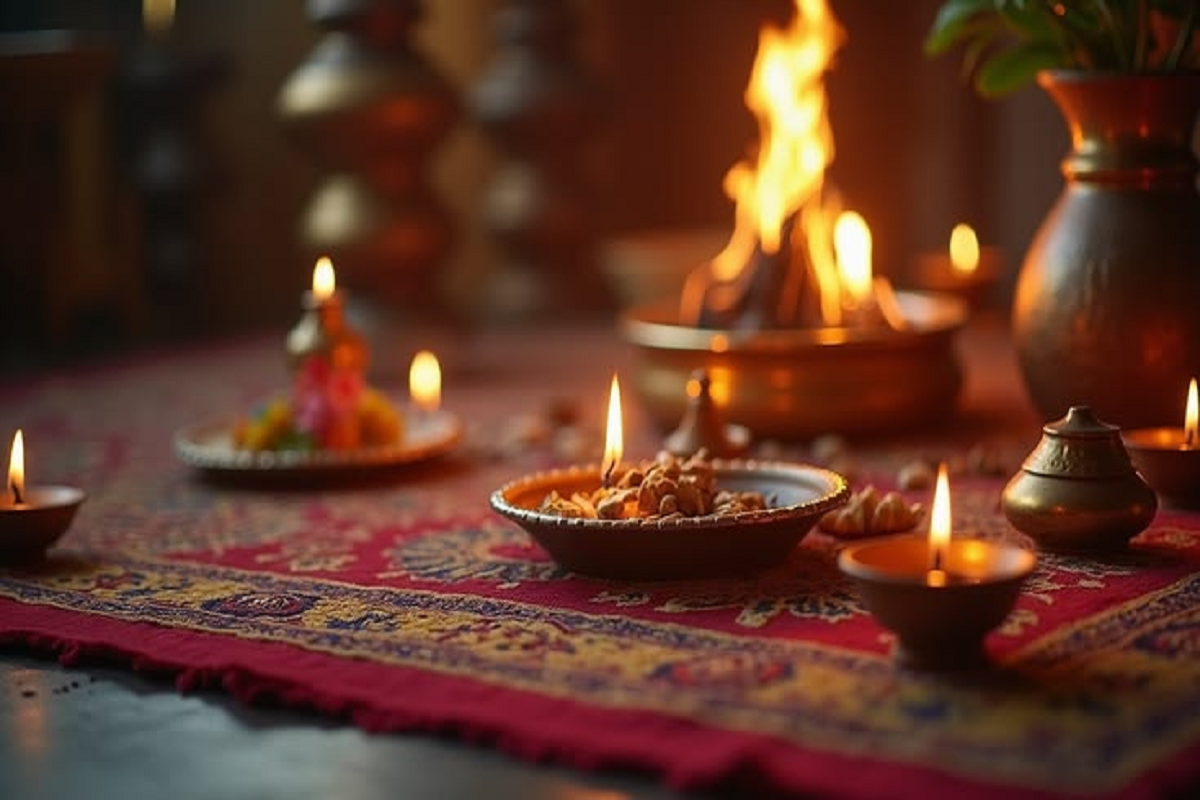
Broken objects, dirt, or unnecessary items should not be left near the entrance, according to these beliefs.
7. Burn Camphor Safely During Prayer
Burning camphor during prayers or religious rituals has been practiced in many Indian households for generations.
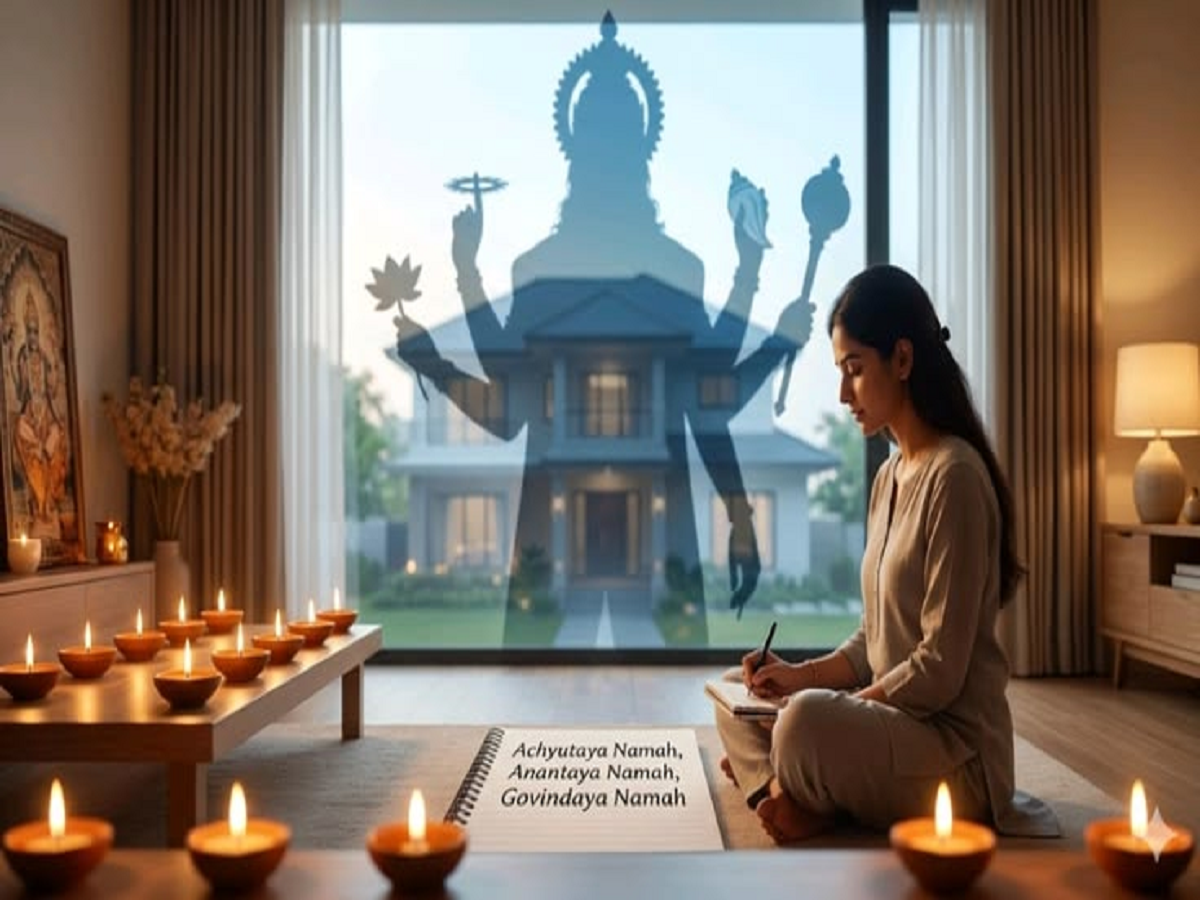
According to Vastu traditions, lighting camphor occasionally may help create a pleasant atmosphere and a sense of freshness inside the home. However, safety should always remain the top priority. Never leave burning camphor unattended, and ensure it is used in a secure place away from flammable materials.
8. Maintain a Clean and Peaceful Prayer Area
A dedicated prayer space should always remain clean, organized, and free from unnecessary items.

Traditional Vastu advice recommends removing broken idols, dried flowers, stale offerings, and damaged religious objects from the prayer area. Regular cleaning and maintaining a peaceful environment are believed to encourage a calm and spiritually uplifting atmosphere.
Daily Habits That Support a Positive Home Environment
Many Vastu recommendations ultimately encourage habits that also benefit everyday living. Keeping the house clean, allowing natural light inside, maintaining fresh air circulation, reducing clutter, and creating peaceful surroundings can make a home feel more comfortable for everyone.
People who follow Vastu often incorporate these practices as part of their daily routine based on personal beliefs and cultural traditions.
Important Disclaimer
The information shared above is based on traditional Vastu Shastra beliefs and cultural practices. These suggestions are matters of personal faith and should not be interpreted as scientifically established facts or guaranteed methods for achieving specific results. Individuals may choose to follow them according to their own beliefs and preferences.